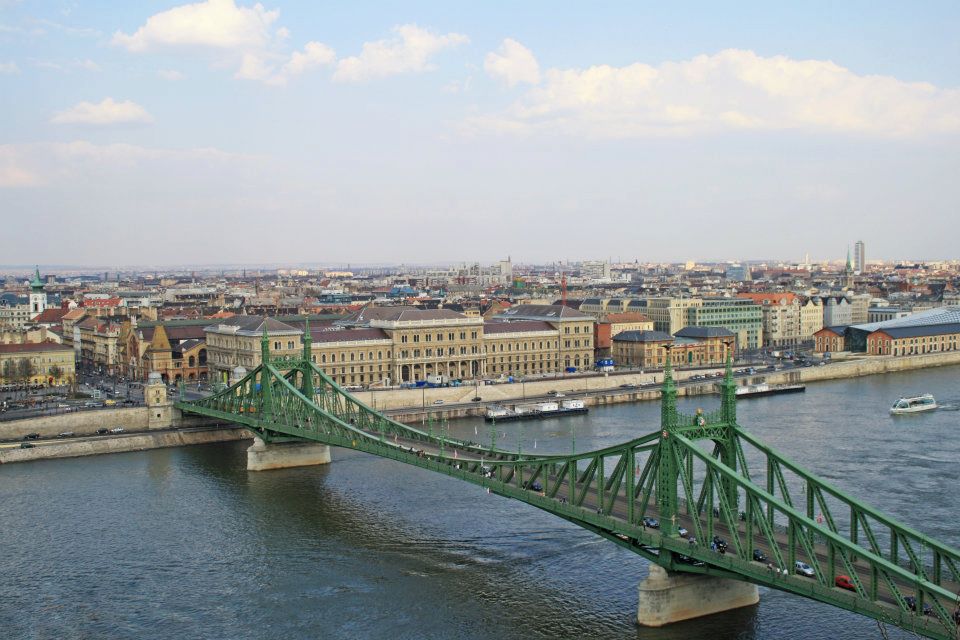
Ah Budapest, you beauty! This city and I, we go way back… The first time I visited the Hungarian capital was in 2011 for a business trip to train new employees of the company I was working for back then. After that I was so lucky to be sent to the Hungarian office several times for more training between 2011 and 2013. I got along well with my Hungarian colleagues and they were so kind to introduce me to their hometown from a local’s view. This might be the reason why I love this city so much and kept returning for private trips to dive deeper into the stunning architecture, amazing cuisine and tumultuous history.
Mode of travel
I always flew in and out by plane and took a taxi from the airport to the city centre. I can’t remeber the taxi fare but the airport isn’t far from the city and due to the exchange rate of the currency (in my case Euro – Forint), the prices are rather low for Western European standards.
The city centre is walkable and to reach certain places I recommend using the Metro or bus system, which both have 24h tickets and other special time tickets available.
Accommodation
For my first business trip my company booked a hotel that I can’t recommend at all, so for the following trips I convinced my boss to get me an Airbnb instead. I stayed at different Airbnbs on my several trips and it was always a great experience. The hosts were all super nice and helpful, offered great insider tips for bars, restaurants etc. and accommodated me in clean, cozy apartments tucked away in beautiful old buildings.
Here are three of the the Airbnbs I stayed at, that are still available for bookings today:
– Cozy Parliament district apartment
– At the Basilica with a balcony
– Central apartment at bargain price
Additional note
Budapest is divided into the Buda side and the Pest side by the river Danube. All accommodations above are on the Pest side where most of the buzzing city life takes place.
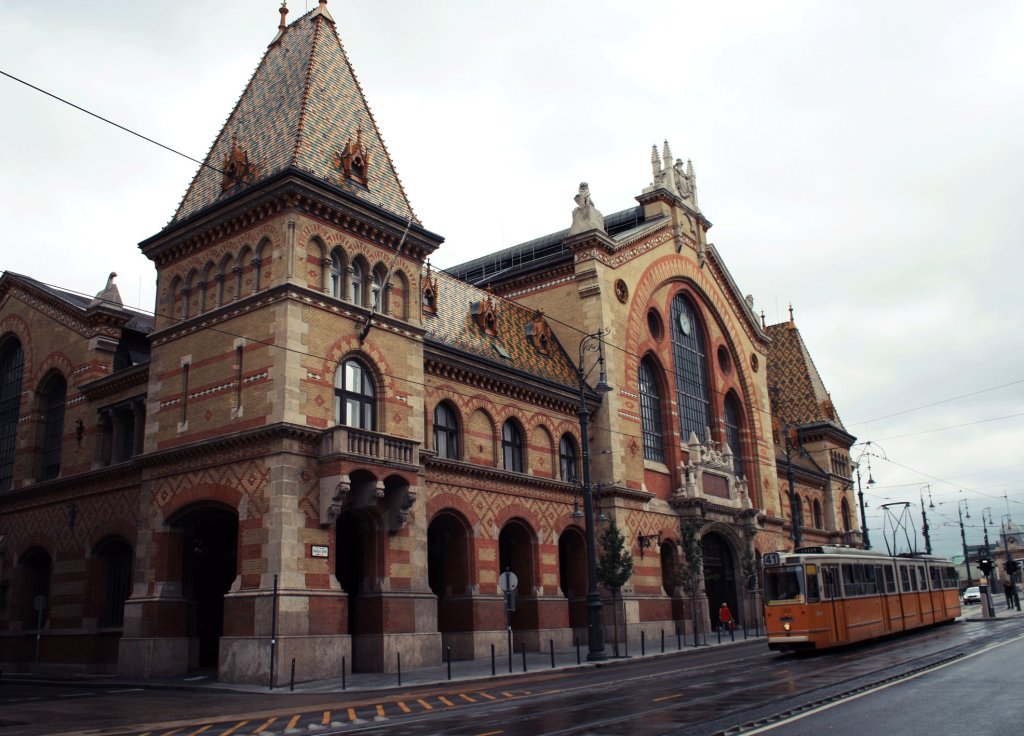
The Market Hall (Központi Vásárcsarnok)
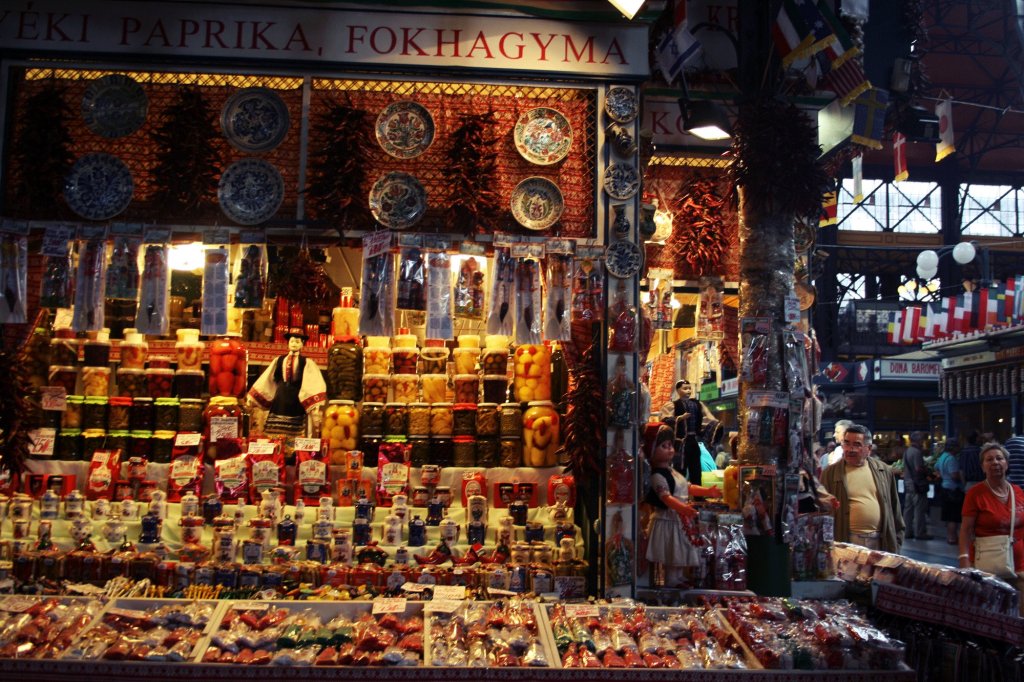
The Market Hall is a beautiful building filled to the brim with food and touristy souvenir stalls. You can find all the ingredients for a good Hungarian meal here or – if you don’t fancy cooking it up yourself – there are ready-to-eat options, too. My absolute favourite is Lángos (pictured on the right), a deep fried flatbread with toppings, the classic ones being sour cream and cheese. Delicious! I remember having a really good fresh apple strudel there, too (not pictured). You can spend hours roaming around and looking at the different stalls that offer everything from traditional Hungarian paprika spices or the famous PICK sausages to handmade table cloth, chess boards, embroidered clothing or lots of other touristy knick-knack and souvenirs. Be careful though, the pricing is for tourists, you might find similar goods cheaper elsewhere.
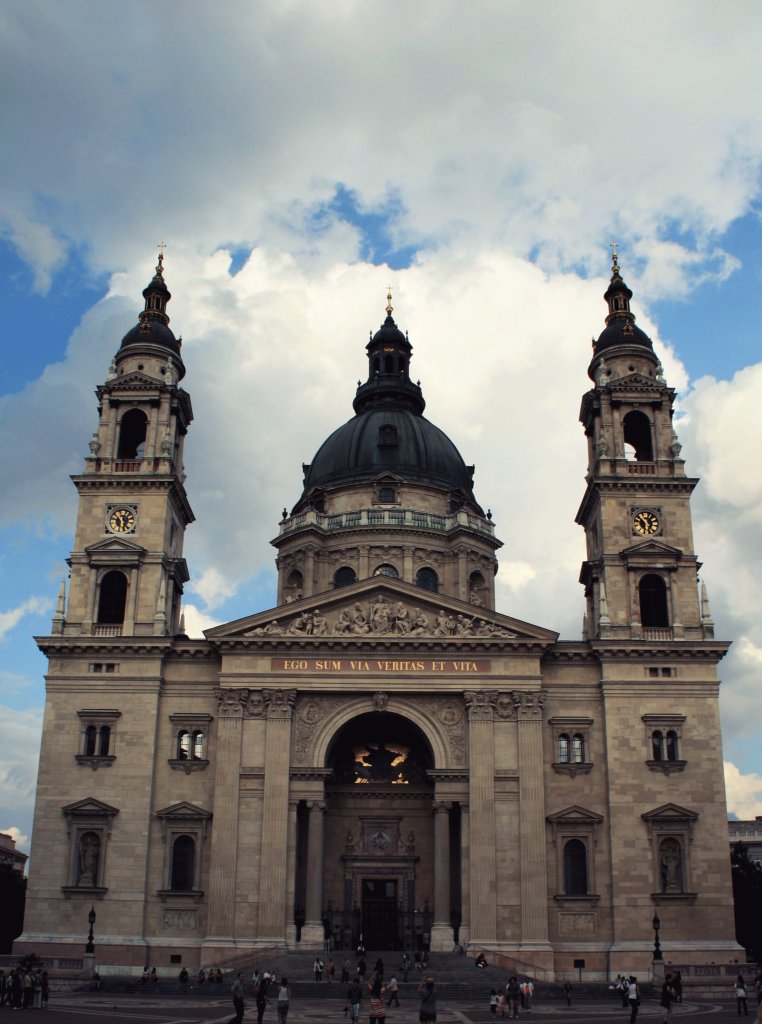
St. Stephen’s Basilica (Szent István-bazilika)
This impressive Roman Catholic basilica was named after Stephen, the first king of Hungary. I’d say what Notre Dame is to Paris, this basilica is to Budapest. It’s already beautiful on the outside but I also recommend checking out the inside, which is filled with art – statues, stained glass windows, paintings, it’s all fantastic. After marveling at the fine arts, the square in front of the building offers some cafés and restaurants to take a break (again, touristy prices in a touristy place – great view of the basilica though).

Dohány Street Synagogue (Nagy zsinagóga)
This building is a beautiful house of prayer and also houses the Hungarian Jewish Museum. Not only is it the largest synagogue in Europe but also the second largest in the world! Dohány means tobacco by the way – the synagogue is located on Dohány utca (Tobacco Street), hence the name. The tickets are around 15 € and include admittance to the whole property consisting of the synagogue, the museum and the gardens. Definitely worth it if you ask me! You can find out more about what to expect on the synagogue’s official website.
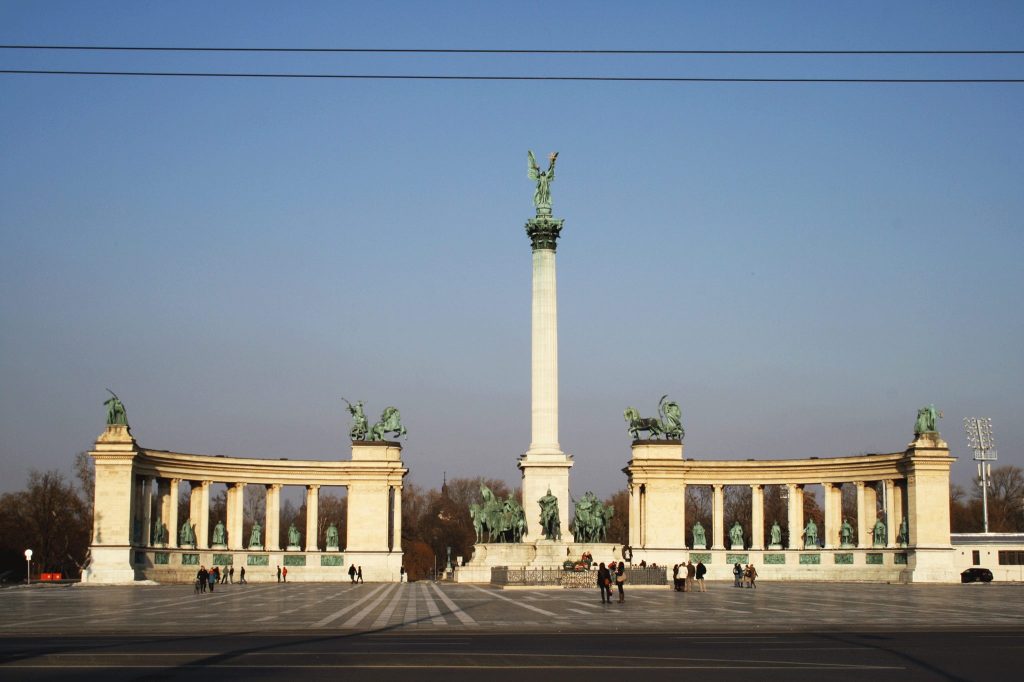
Heroes’ Square (Hősök tere)
Heroes’ Square with its eye-catching Millenium Monument is one of Budapest’s most famous landmarks. The statues depict the Seven Chieftains of the Magyars (leaders of the seven tribes) who led the Hungarian people into the Carpathian basin – first and foremost Árpád, who is said to be the founder of the Hungarian nation. Around the square you can find the Museum of Fine Arts and the Palace of Arts – so allow a little more time to visit Heroes’ Square if you’re an art lover.
Also my advice is to take the Metro there because Hősök tere is a stop of Metro Line 1, Budapest’s oldest line. It’s been in constant operation since 1896, still has charming old carriages and the loveliest sound signal when it reaches a stop.
If you fancy a walk after visiting Heroes’ Square I suggest a stroll down Andrássy út, the boulevard that connects the square with the city centre. Along the way you’ll find all kinds of different embassies and magnificent city villas as well as the Hungarian State Opera and the so-called Budapest Broadway (where the city’s theatres are). Furthermore in one part of Andrássy út closer towards the city centre you can find all the luxury designer boutiques to do some (window) shopping.

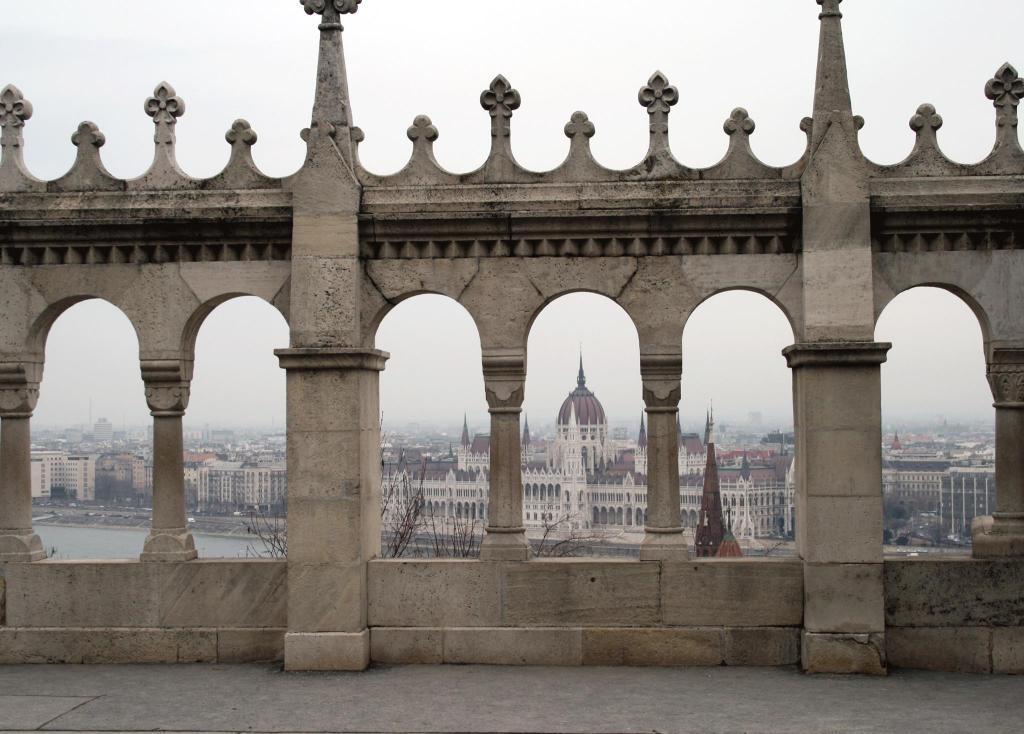
Matthias Church and Fishermen’s Bastion (Mátyás-templom and Halászbástya)
These two landmarks are conveniently located next to each other on the Buda side of the city in the hills, so you’ll have a stunning view of the city (especially of the Parliament building).
Matthias Church is an important building in the history of the country because two of Hungary’s kings were crowned here. According to Wikipedia “the church was also the location of the “Mary-wonder.” In 1686 during the siege of Buda city by the Holy League a wall of the church collapsed due to cannon fire. It turned out that an old votive Madonna statue was hidden behind the wall. As the sculpture of the Virgin Mary appeared before the praying Muslims, the morale of the Muslim garrison collapsed and the city fell on the same day.” (I didn’t even know that before I started researching this blog post – what a cool story!)
Fisherman’s Bastion is one of Budapest’s most visited sights and there’s probably no better spot to take panoramic pictures of the Parliament building that’s right across the Danube. A fun fact I recently learned is, that it’s not clear why this place is called a bastion as it was never used to defend the city and castle. However I have to add that these are not the original city walls anyway, they were merely built in the 19th century on the base of a stretch of the Buda Castle walls.
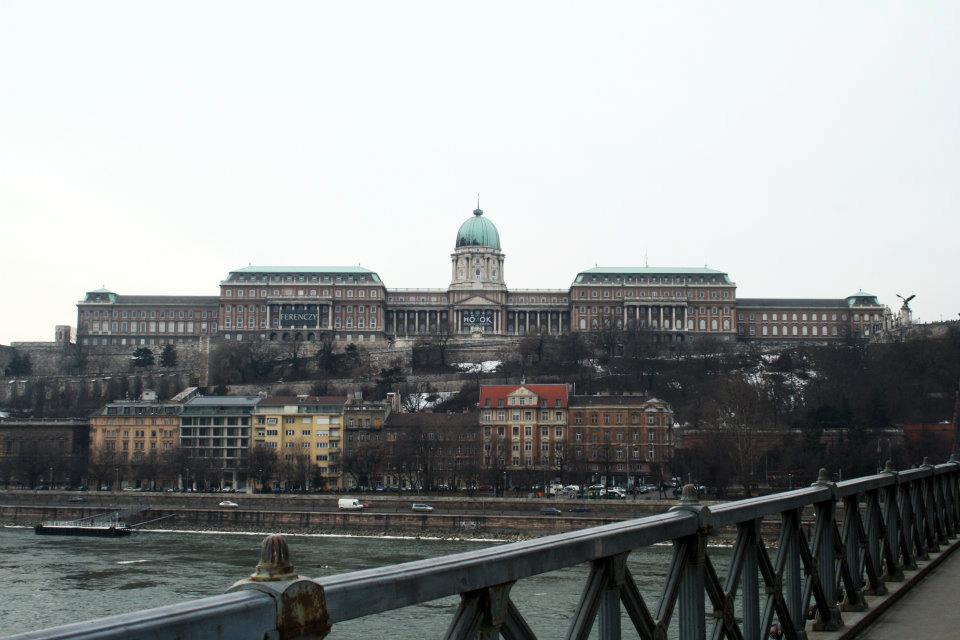
Buda Castle and the Castle District (Budavári Palota and Várnegyed)
The magnificent Buda Castle used to house Hungary’s kings but nowadays you can find the Hungarian National Gallery as well as the Budapest History Museum inside of its walls. The palace complex dates back to the 13th century and is located up in the hills on the Buda side of the city, giving visitors amazing views over the whole urban area.
The touristy area around it is called Castle District and offers plenty of bars, hotels, restaurants and souvenir shops as well as Matthias Church and Fishermen’s Bastion. Another cool place to visit nearby is the Hospital in the Rock (SziklakórházAtombunker Múzeum), a former hospital (now museum) that was built into the caverns of the rocky hills in preparation of WWII in the 1930s.
Gellért Hill (Gellért-hegy)
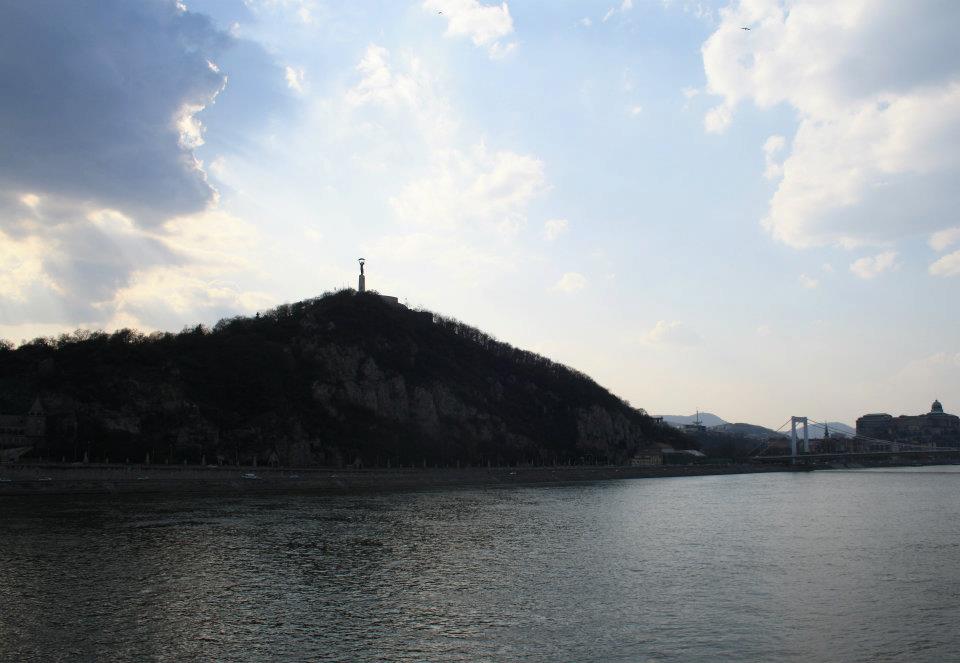
This hill provides the most amazing views of the city’s skyline for sure! On top of it you can find the Citadella, an old fortress that dates back to 1851 and the Statue of Liberty commemorating the Soviet liberation of Hungary in WWII. At the foot of the hill there are the Gellért Thermal Baths (hot springs in a marvellous art nouveau building)and the Gellért Hill Cave Church (both worth a visit, too!).
Other things to do and see in Budapest
When you visit a place several times you have a whole repertoire of recommendations of course, so let me give you an overview of other cool things to do and places to see before I finish this post. Budapest has so much to offer, it’s actually quite hard to fit it all into one article so maybe I’ll write another one in the future next time I get the chance visit this amazing city once again.
House of Terror (Terror Háza)
This museum hosts permanent and temporary exhibitions about the city’s political history and commemorates the victims of the 20th century dictatorships in Budapest. According to the museum’s website “forty-six years after the communist-state authority left the palace below Andrássy Avenue, Budapest, in 1956, the property was given the chance to re-emerge. The building on Budapest’s most beautiful avenue – a multiplicity of symbols of Hungarian history – reminds us of the suffering and violent death of thousands of innocent people.” Their exhibitions are super interesting, immensely important for preserving a piece of history and parts of it are even interactive. I don’t know if it is still there today, but I remember a very impressive real tank welcoming the visitors in the big stairwell back when I was there several years ago.
Hospital in the Rock Nuclear Bunker Museum (SziklakórházAtombunker Múzeum)
Yes, you read that right! We are talking about a hospital and bomb shelter built into the rocks of Buda Hills in preparation of WWII in 1939. Another unique and interesting museum that displays life in some of the darker times of the city’s history. Check out the museum’s website for more details.
Szimpla Kert
This bar is a go-to for off-culture fans. Budapest locals will probably roll their eyes at this ruin pub because it’s one of the most touristy spots in the city nowadays. It used to be a secret insider tip when it first opened in 2002 but quickly became very popular due to its unique interior and vibe. I have to say though it is a very cool location despite the touristy crowd. You won’t find any piece of furniture twice in there, it’s completely furnished with fleamarket pieces , lots of fairy lights, there is a booth-turned car in the yard as well as different levels, rooms, nooks and crannies to hang out in. Yu can grab classic pub food (hot dogs in plastic cups!), have classic Hungarian drinks, read one of the books from the many book shelves, write your name on the wall with marker and the list goes on. A fun, cozy and crazy place that’s perfect for a night out!
Vajdahunyad Castle (Vajdahunyad vára)
You might have heard of the famous Transylvanian Corvin Castle in Romania – well, there is a (smaller) copy of it right in the middle of Budapest’s City Park. It was built in 1896 as part of the Millenial Exhibition and remained in its place to this day. In the castle’s yard you can also find the rather spooky statue of Anonymous, an unindentified chronicler from the 12th century, who wrote down the history of how the Magyar tribes conquered the Carpathian Basin and founded the Hungarian nation.
Szechenyi Thermal Baths
This beautiful spa was built in 1913 and is one of Budapest’s most visited sights. The healing power of its hot springs have been cherished for over a century and the architecture is simply marvelous. It’s said to be the biggest spa of its kind in Europe and you can easily spend a whole day there, so if you’re into bathing and wellness, you should allow some time for a visit when planning your trip.
One last recommendation I can give is to visit in the winter around Christmas time because Budapest’s Christmas markets are so charming! Definitely try the fresh chimney cakes (Kürtöskalács) if you get the chance! This concludes my tips for Budapest for now. Of course there are many more sights, museums, bars etc. but I hope I was able to give you a first overview and help with planning your itinerary. More Budapest tips to follow in a future post probably.

 Travel Toast Adventures