
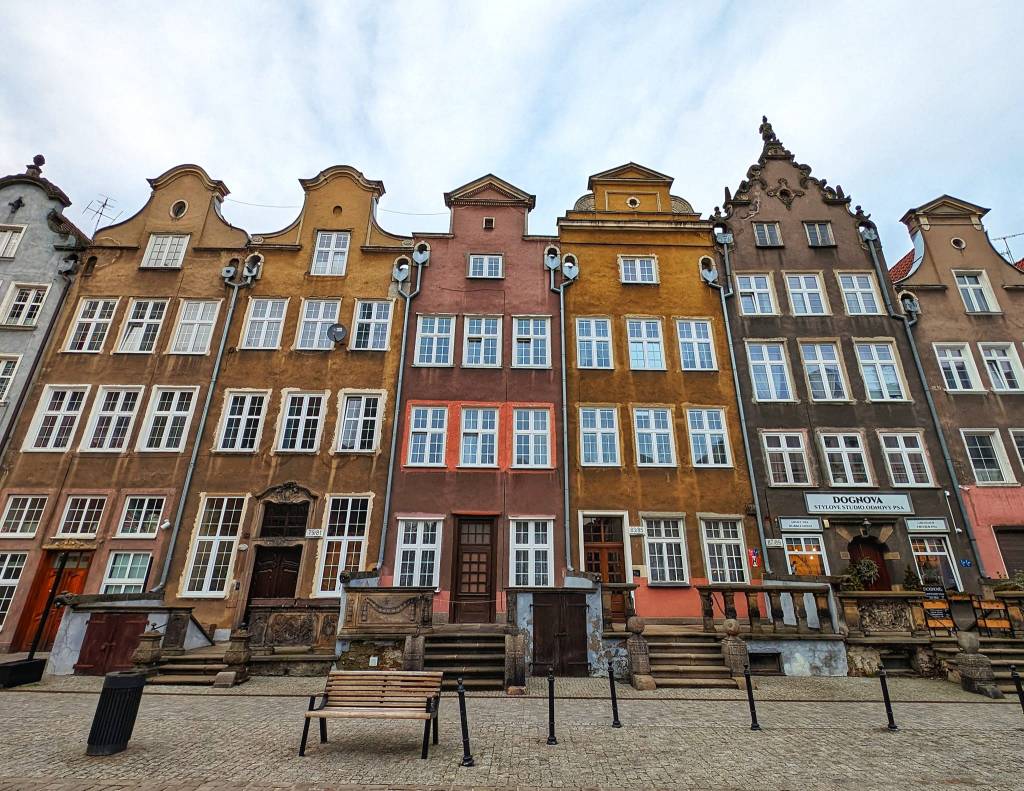
As you may have already noticed, my specalty are city trips in Europe. This year I wanted to visit a new European country that I hadn’t been to before. There were many to choose from still, so I just listened to my heart and remembered all the pretty photos I had seen of Gdańsk before. I looked up flights and accommodations – jackpot! Poland is very cheap for German standards, so I booked and researched about the city by the Baltic Sea. I had no idea that there is so much to see and do there, I was busy ticking things off my to-do-list every day.
To preface this I should say that Gdańsk forms a so called tri-city with the nearby cities Sopot and Gdynia – so basically you can visit three cities in one trip if you want. I only managed to see Gdańsk and Sopot though because of my itinerary. I asked a tour guide which city I should visit, Sopot or Gdynia, if I only had time for one of the two and she said Sopot, because it wasn’t destroyed in WWII and hence still has lots of pretty old buildings. She was right, Sopot was lovely. I’ll write an own little post about my day trip there soon.
I’m sure I will return at some point and visit Gdynia too though. I might be able to combine it with Gdańsk again because there are still some museums and places I didn’t have time for – one week wasn’t enough for this wonderful place!
Anyway, let me give you a round-up of everything I did in Gdańsk. 🙂
By the way I had so much good food in Gdańsk, I put together an own post about it here.
Mode of travel
I flew there because the train ride was simply too long from Düsseldorf and would have chewed into my week off too much. There are affordable flights available to and from Gdańsk, e.g. I flew with KLM. From Gdańsk airport it’s not a problem to get to the city, you can either take a train (you’ll have to change trains once though) or the bus (line 210 for example stops right in front of the airport building and goes directly to the city centre in about 30 minutes).
In the city centre everything is within walking distance – sights, restaurants, bars, museums, you name it. There is also a good tram and bus system that will come in handy if you plan to visit places in the suburbs. If you want to go to Sopot or Gdynia, you will have to go by train (about 20 minutes one way). The easiest way to pay for all these public transport options is an app called Jakdojade. Simply install the app, follow the instructions and type in your location and destination – it’ll always give you the cheapest ticket option. The app uses a prepaid system and will remind you to top up your balance, if needed. It was a total game changer for me and super easy to use.
Another option is the local bike sharing service called MeVo, that offers rental bicycles for fair prices (both on their website and in their app as soon as you’ve entered your phone number, the language will change to whatever country code you entered).

Accommodation
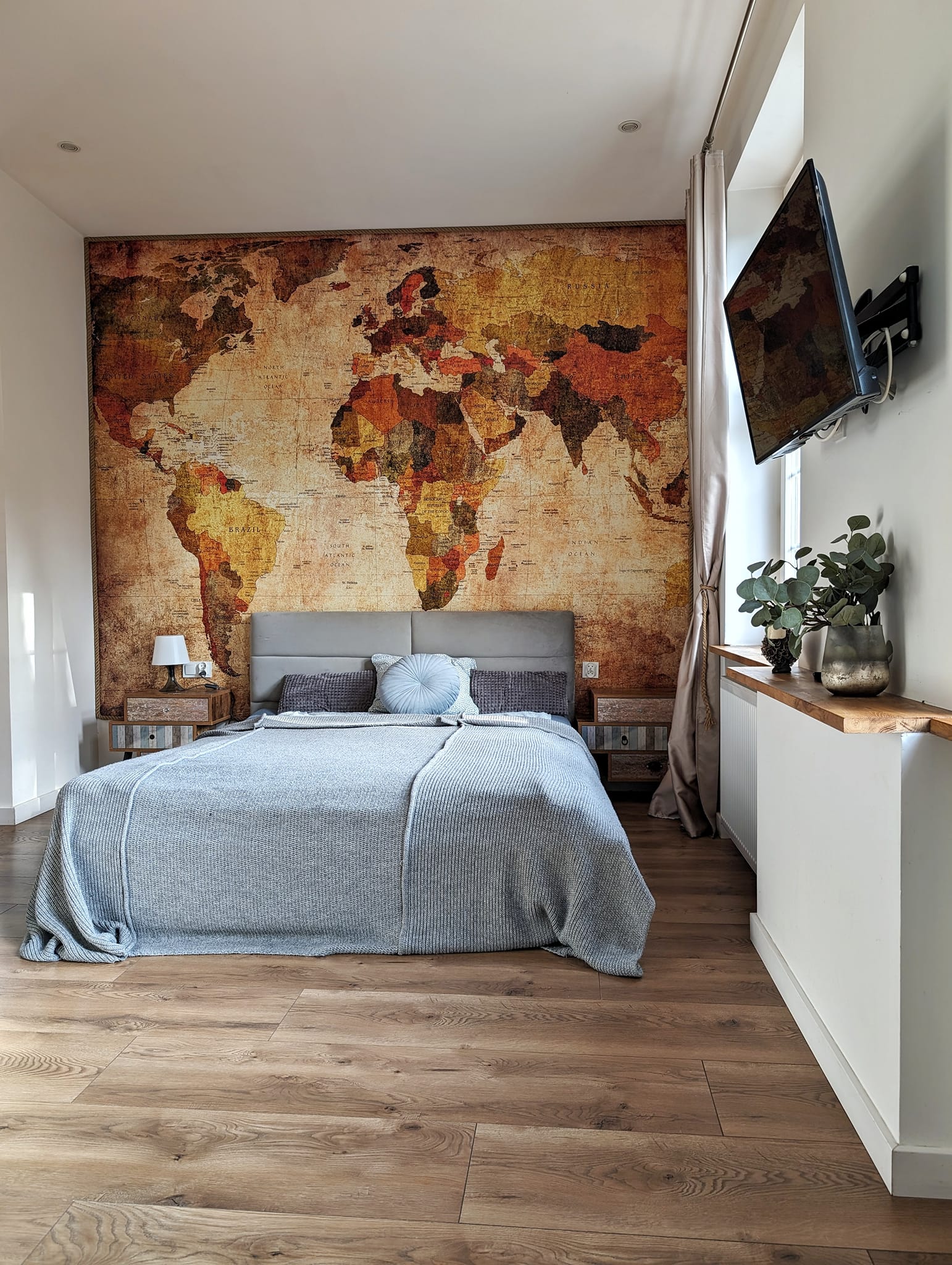
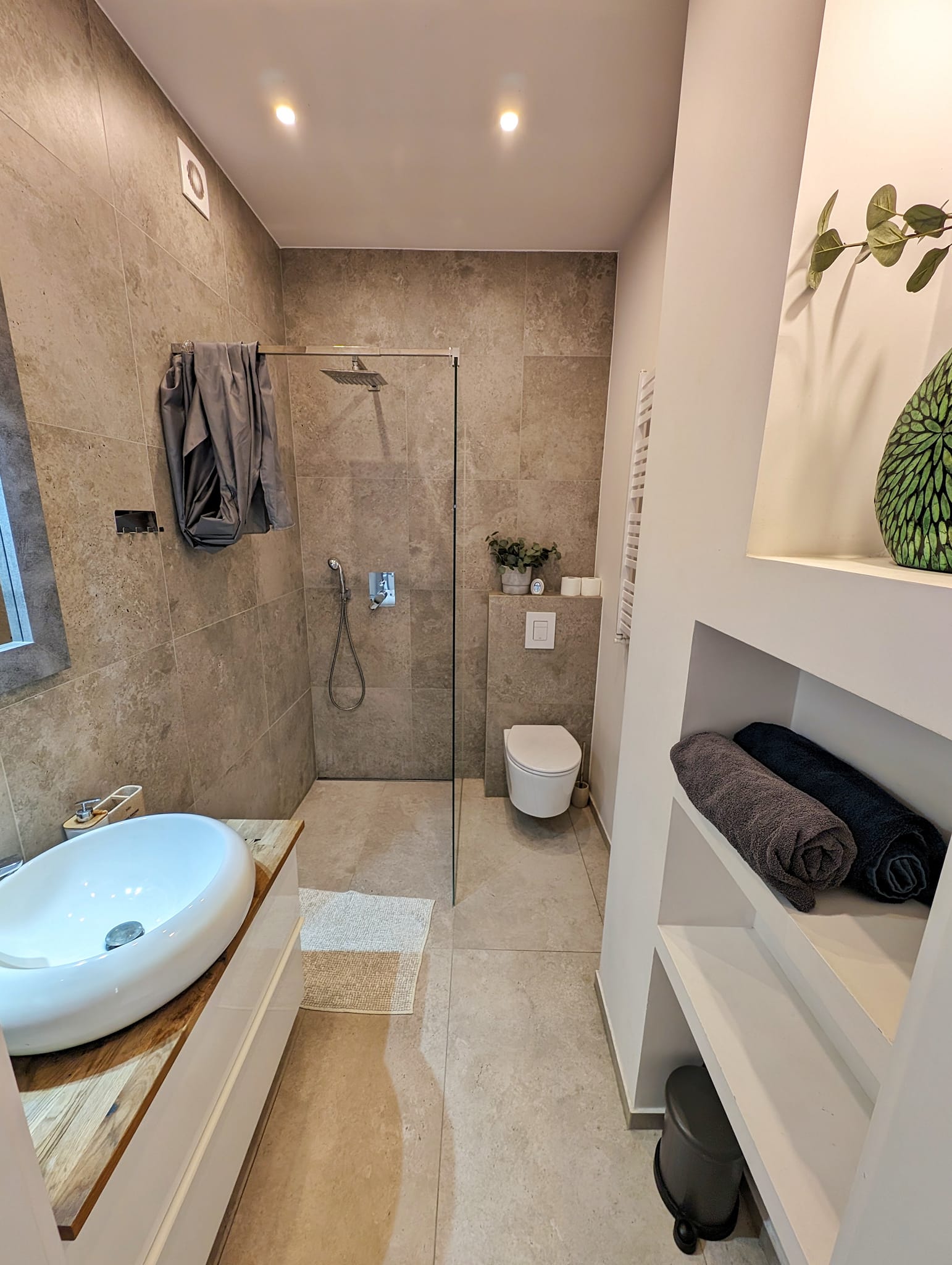
Gdańsk is full of beautiful and affordable airbnbs and hotels. I found an airbnb right in the city centre that was perfect for me as a solo traveler. All the classic sights were within walking distance and the river was one minute away.
This is the Airbnb I stayed at:
“Stylish apartment by the river”
The place was clean, spacious and equipped with everything you need. I felt safe at all times.

Narrow houses
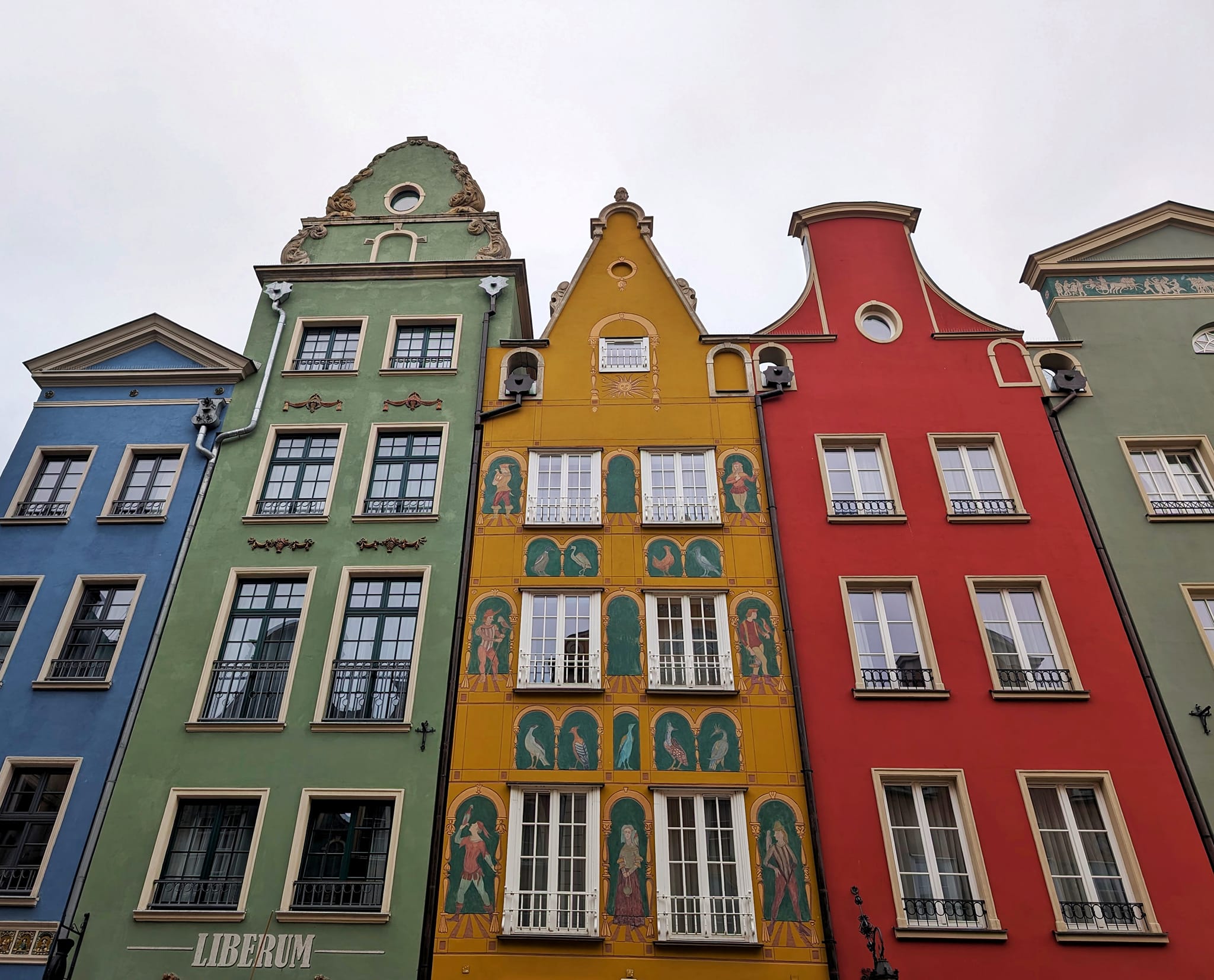
This is not a specific place or sight, it’s something you will see all around the city centre: The colourful narrow houses. What’s interesting about the city’s architecture is that even though the houses look historic, they were all built after WWII. Gdańsk was heavily bombed during the war and led a heated debate afterwards about wether to reconstruct the city to make it look like before or instead go for modern architecture. They opted for the reconstruction in the old style but (understandably) erased all signs of German influences that were visible in the architecture due to Gdańsk’s rich history. So what looks like the oldtown now is actually the newer part. I noticed that they were building more modern houses with stylish glass facades too though – but even with these new buildings they stick to the narrow style with the pointy gable.


Ołowianka Island and Spichrzów Island
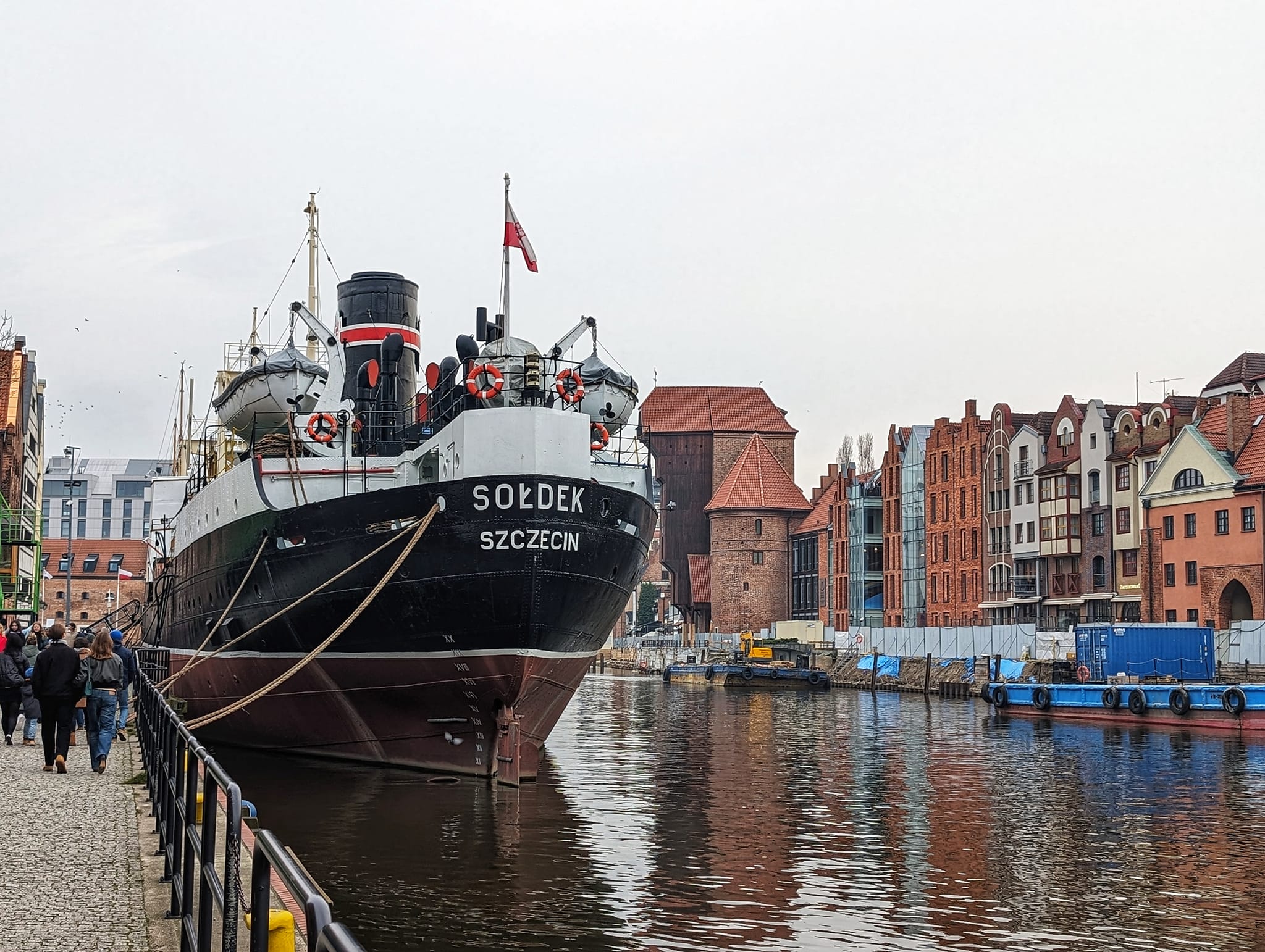
These islands (called “Lead Island” and “Granary Island” due to the goods that were stored on them in the past) are located in the Motława river east of the city centre. You can walk there on one side of the river (here you come across Europe’s oldest wooden crane), then cross over the bridge by the carousel and walk back over the islands on the other side.
You will come across the AmberSky ferris wheel, which is worth a ride on a clear day or at night to see the citylights. Moving on you can take a photo in front of the big Gdańsk letters (they are illuminated at night).
Afterwards you will walk past Polska Filharmonia Bałtycka, where you can visit concerts if you check out the programme upfront – or alternatively go there in the summer. I was told they play outdoor concerts in the warmer months, so people can sit down in the square by the river and hang out to listen.
Then you’ll see a floating museum: The SS Sołdek, which hosts the Maritime Museum. If you walk past it and follow the water, you’ll finish your little roundtrip back in the city centre.


St. Mary’s Basilica
When you walk to St. Mary’s Basilica make sure to stop by on Mariacka, a street plastered with amber stores and workshops where you can buy jewelry and trinkets as well as souvenirs. There are good cafés and specialty coffee shops in this area, too.
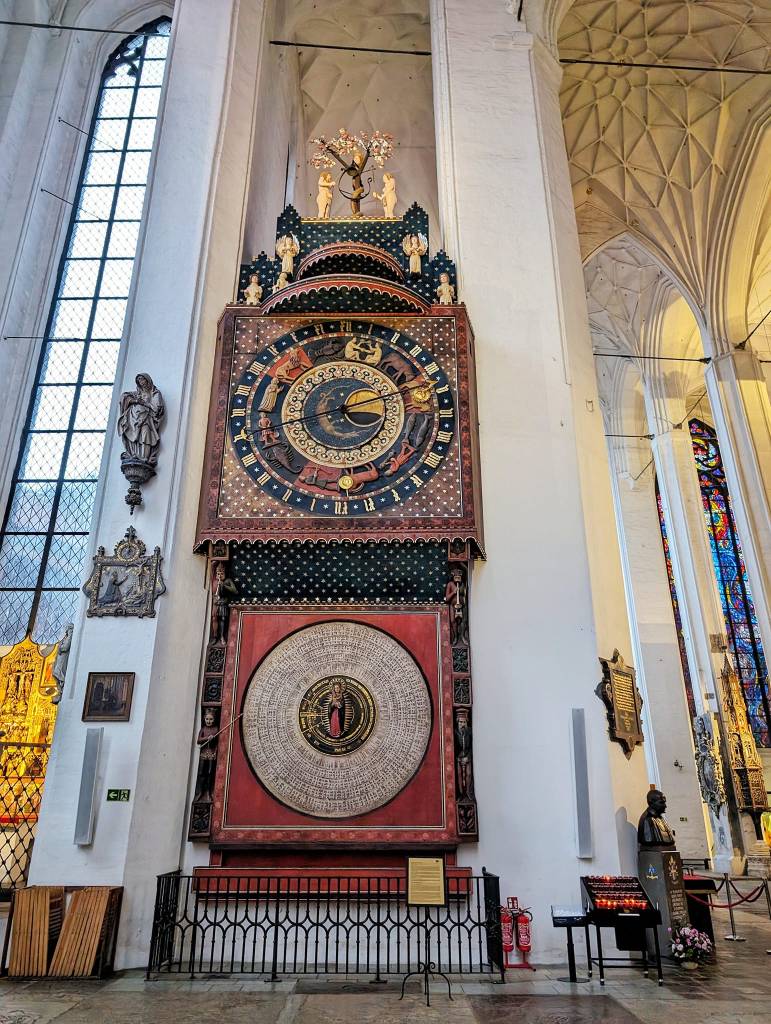
I was amazed to learn that St. Mary’s Basilica is the biggest Brick Gothic church in the world. It is a beautiful building but to be honest, compared to other churches, the interior is rather unspectacular. I absolutely loved the medieval astronomical clock though! It was built in the 15th (!!) century and still works to this day – you can watch the figurines dance every day at noon (12 pm). Allegedly its creator was blinded after finishing the job so he would not be able to build it a second time. Read the legend at Atlas Obscura (one of my favourite websites to find cool places when traveling).
When visiting St. Mary’s, another thing you should do is climb up the tower. The 405 steps are rewarded with stunning views of the city. Pro tip: Go around golden hour or sunset for extra pretty photos.
Zuraw M3 crane
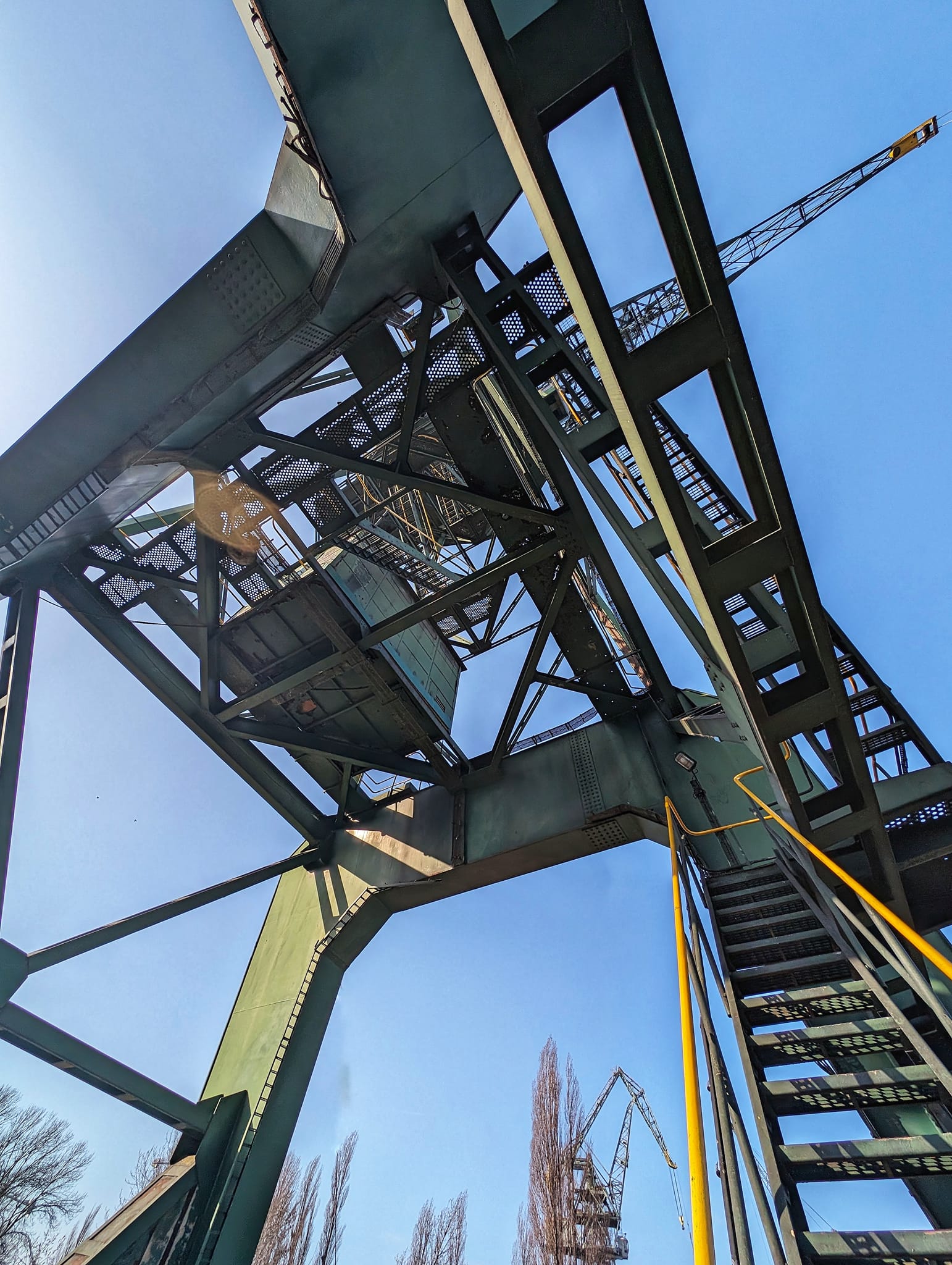
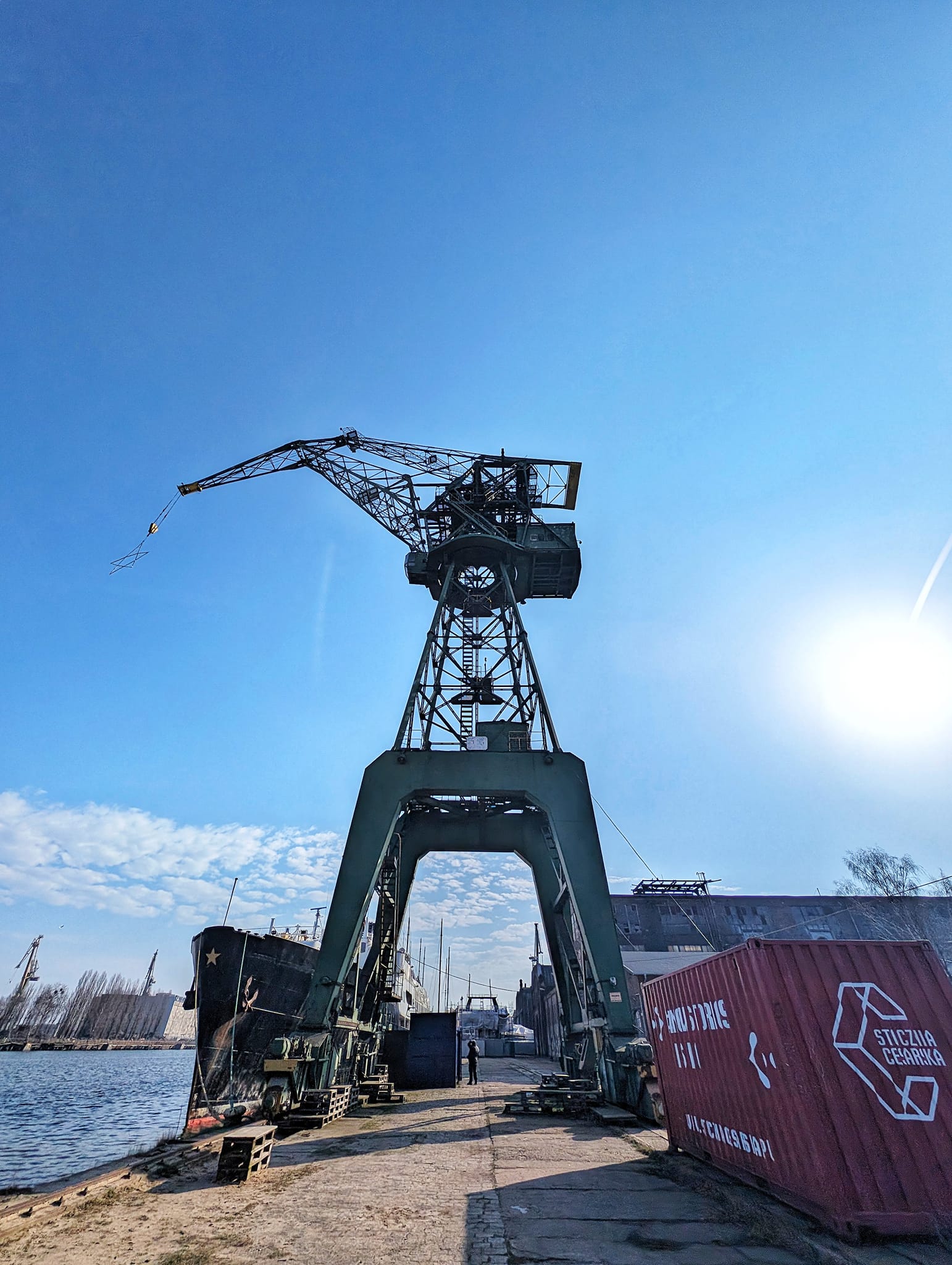
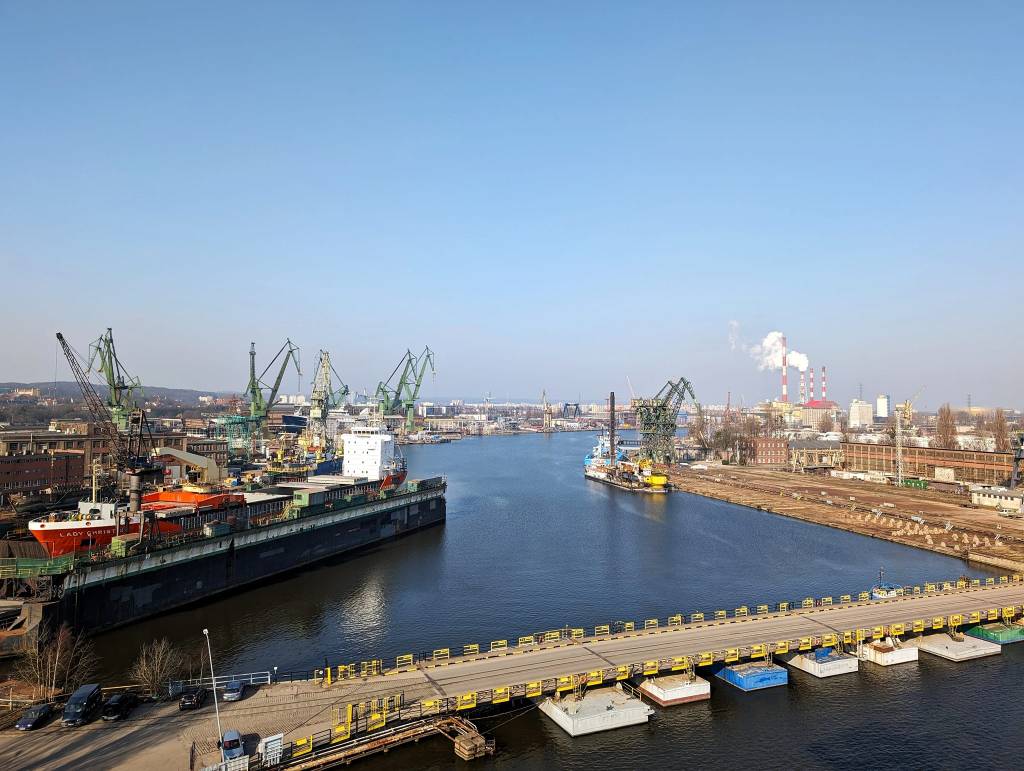
You might have already noticed that I like to climb towers and basically anything that provides a great view – so this old industrial crane a bit outside of the city centre of Gdańsk was perfect for me! You pay 20 Złoty (about 4,50 €), then they let you through a door and send you on your merry way up (via stairs only). There are two levels which both provide 360° views of Gdańsk’s huge port, one of the largest seaports on the Baltic Sea.
Before you go, check their Facebook page. It will tell you when they’re open. Sometimes they have to stay closed due to strong winds.

Europejskie Centrum Solidarności (The European Solidarity Centre)
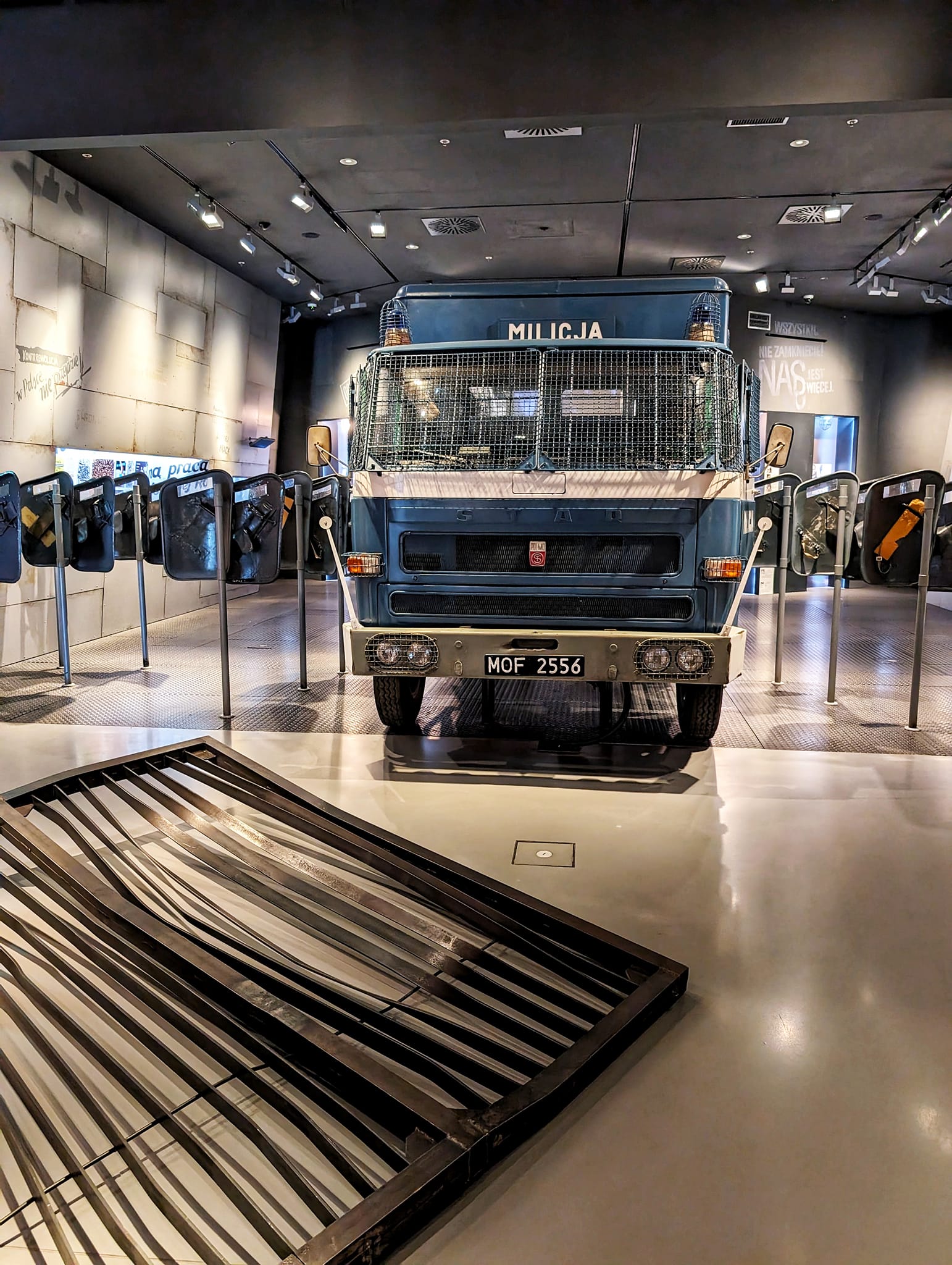
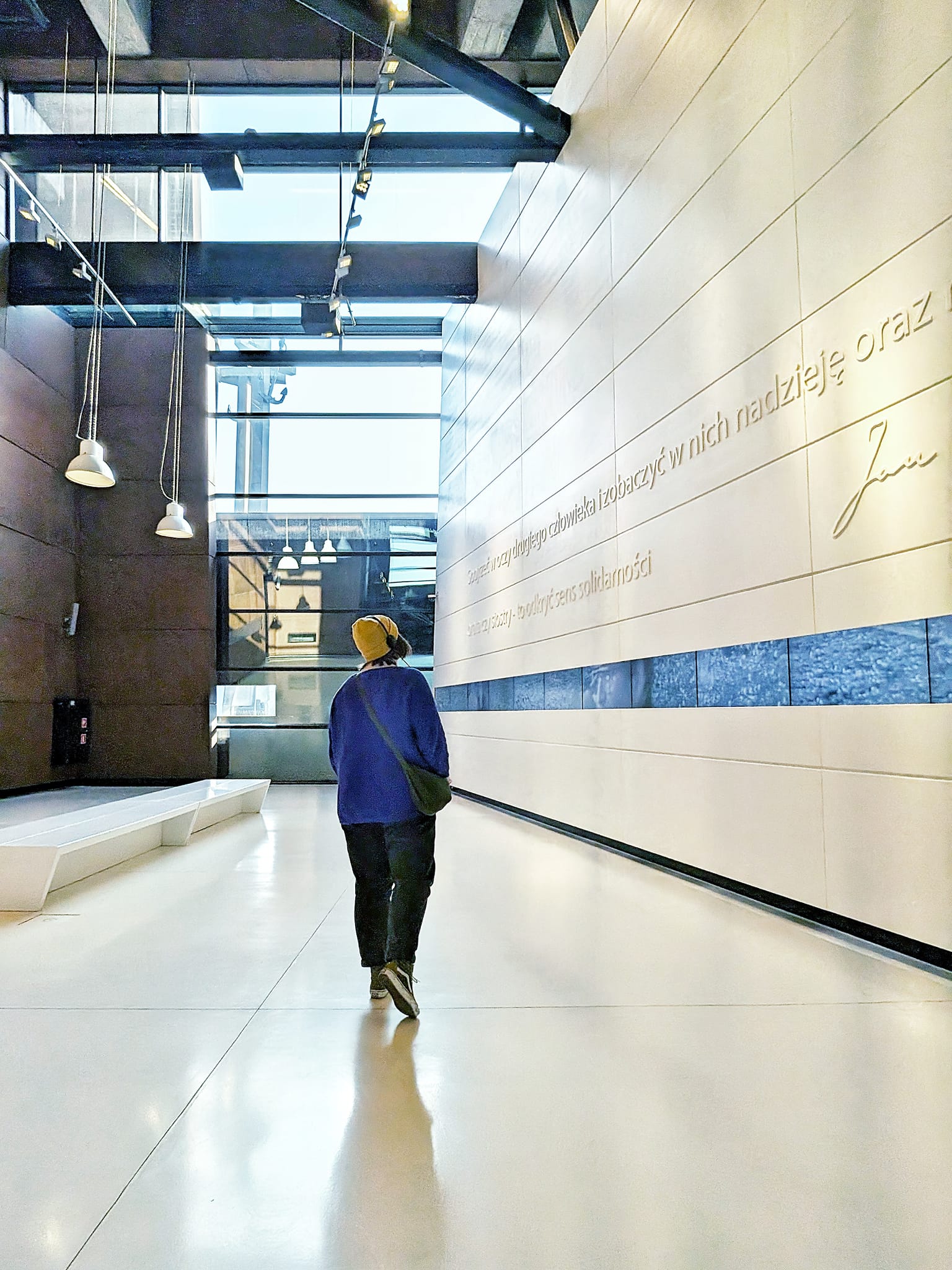
The European Solidarity Centre is a unit set up in autumn 2007 by the NSZZ Solidarność trade union federation of the same name and the Polish Ministry of Culture in Gdańsk, comprising a museum about the trade union, its central archive, a multimedia library and an education center.
I did not know what to expect but I have to say their exhibition about the trade union and its development is so good, they have done a great job of presenting the topic. You are guided through the various historical events and stations by an audio guide, the exhibits were put together very creatively and it’s really fun to learn about Polish history and politics here.

Park Oliwski and Palmiarnia
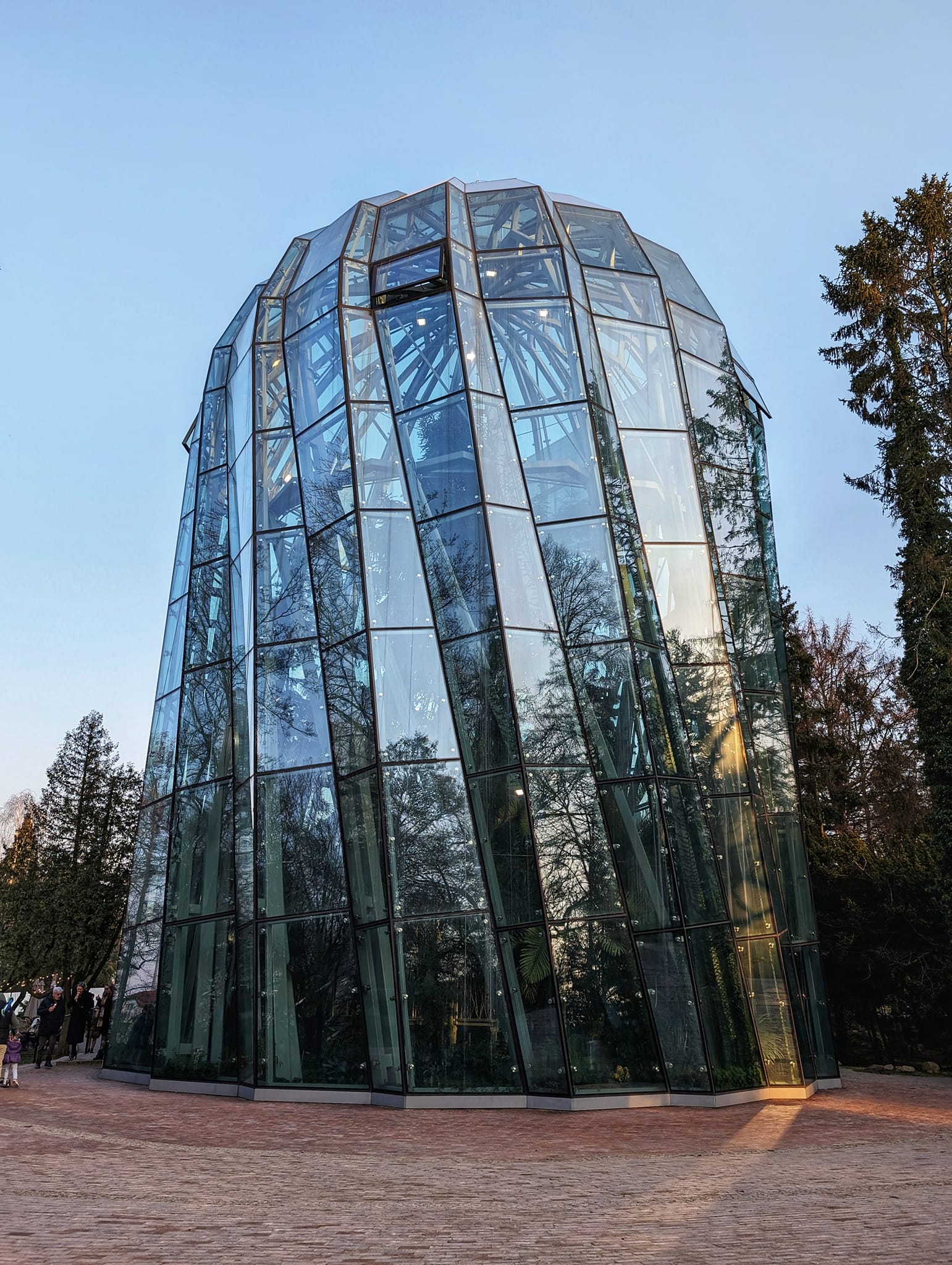
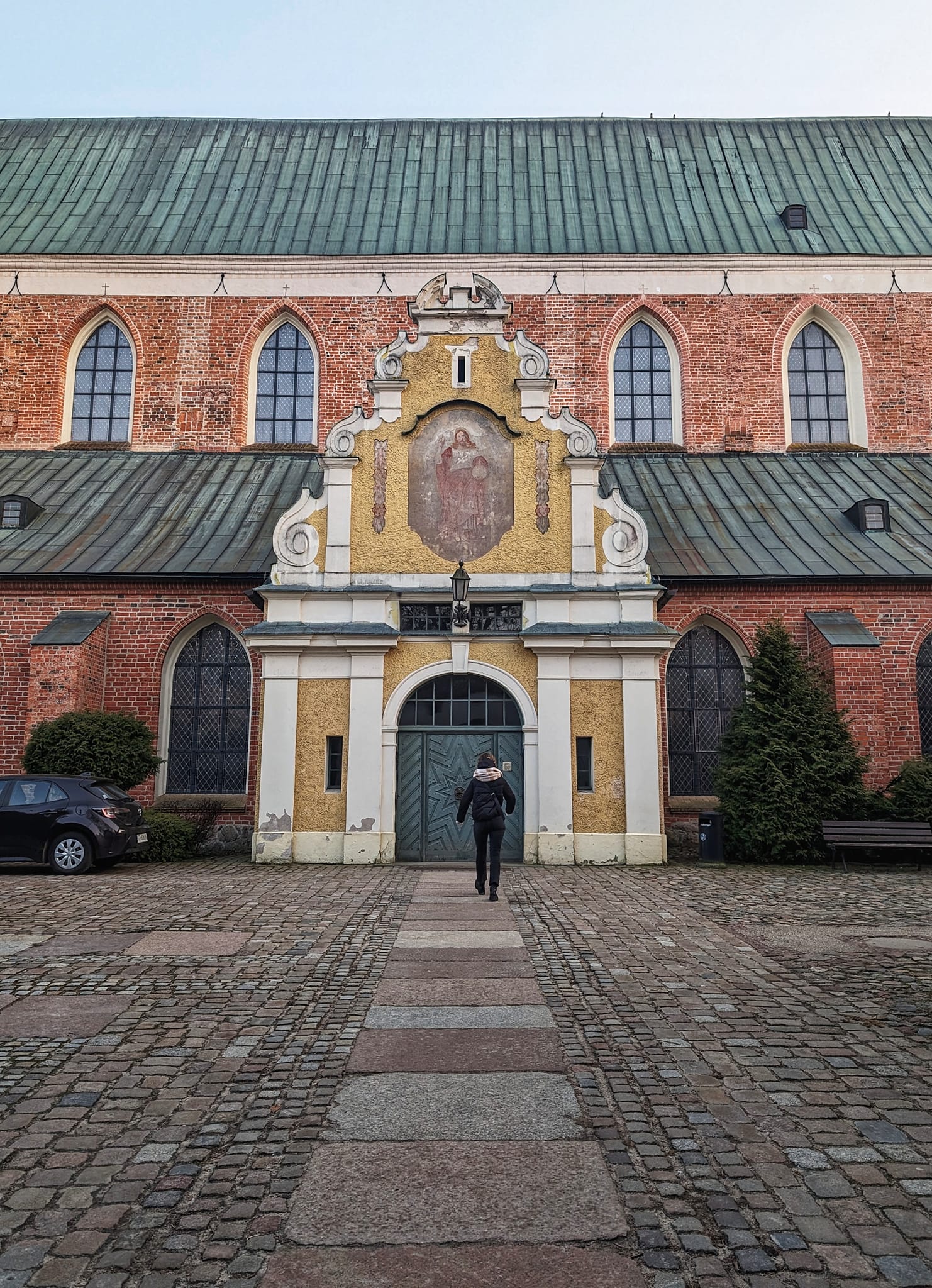
Park Oliwski is located a few kilometres outside of the city centre in the suburb of Oliwa. It is a beautiful park where you can go for walks, have a picnic, visit the small but lovely Palmiarnia (palm house) and its own little café or explore the nearby museums (the Department of Modern Art of the National Museum and the Spichlerz Opacki Ethnographic Museum are both located on the premises). I skipped the museums this time but checked out the Palmiarnia, which is small but makes for some nice photos. Katedra Oliwska, a nearby church, can also be visited outside of mass hours. Only 2.5 kilometres away from the park you can find Gdańsk Zoo.
Westerplatte
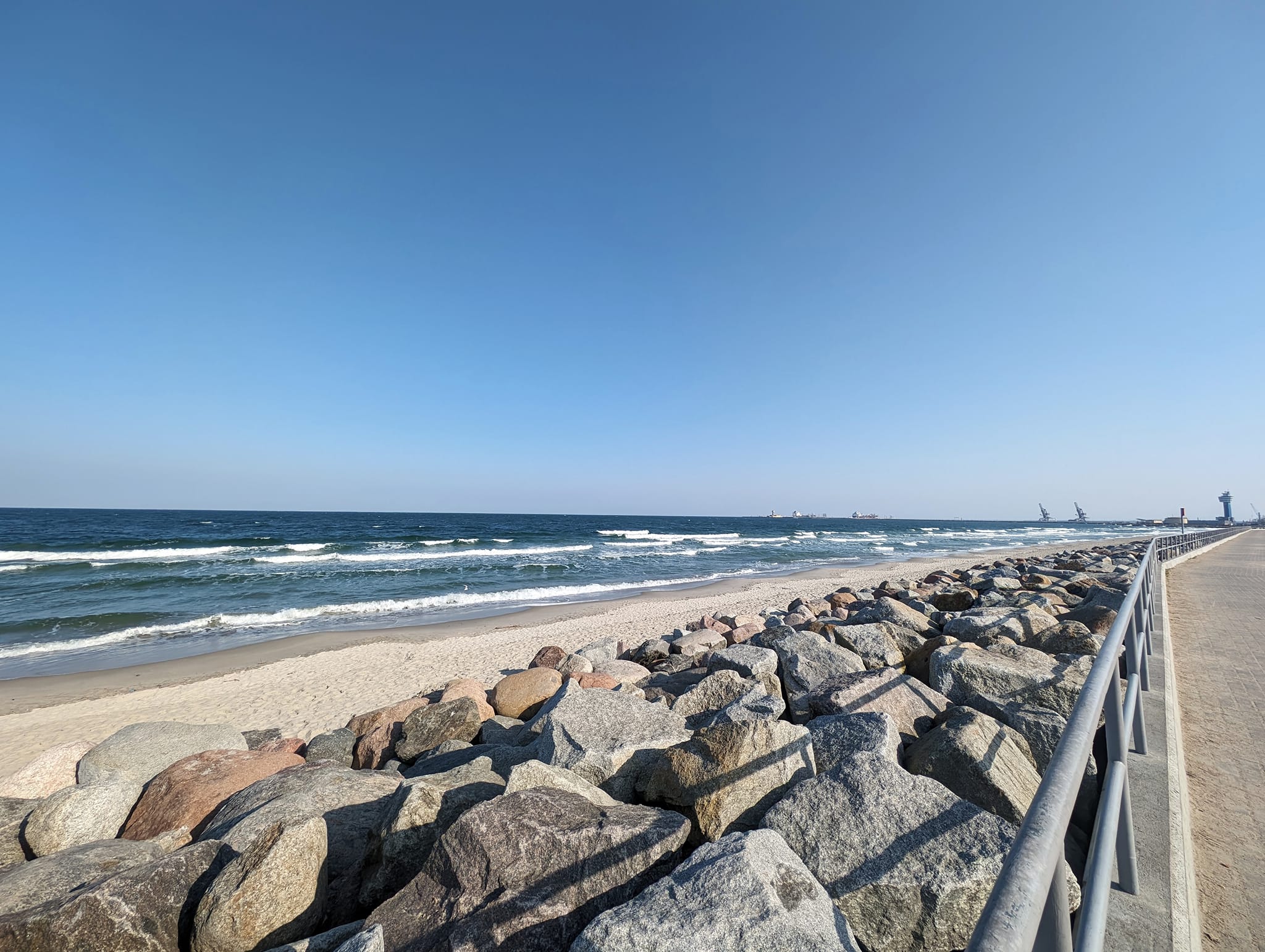
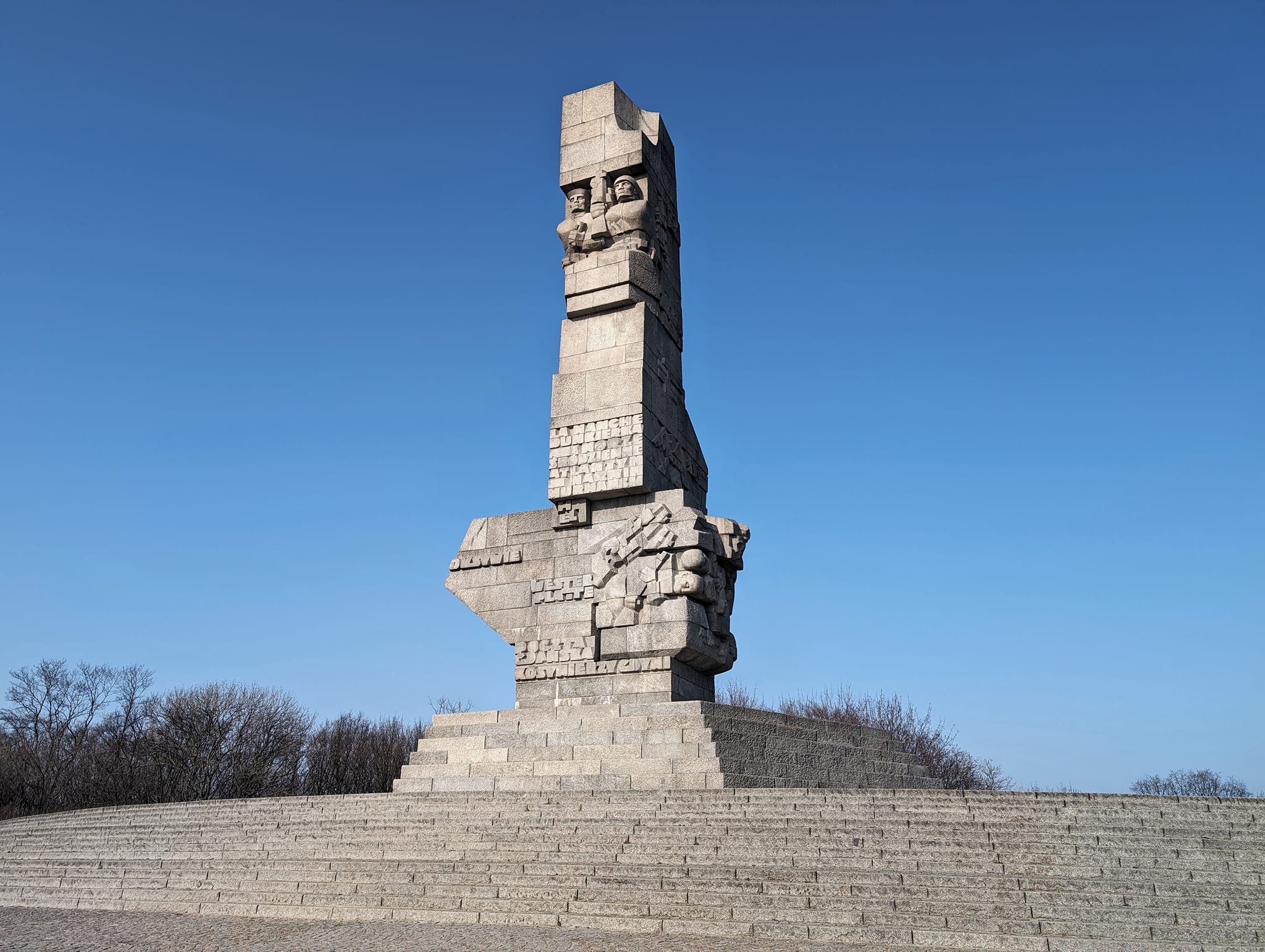
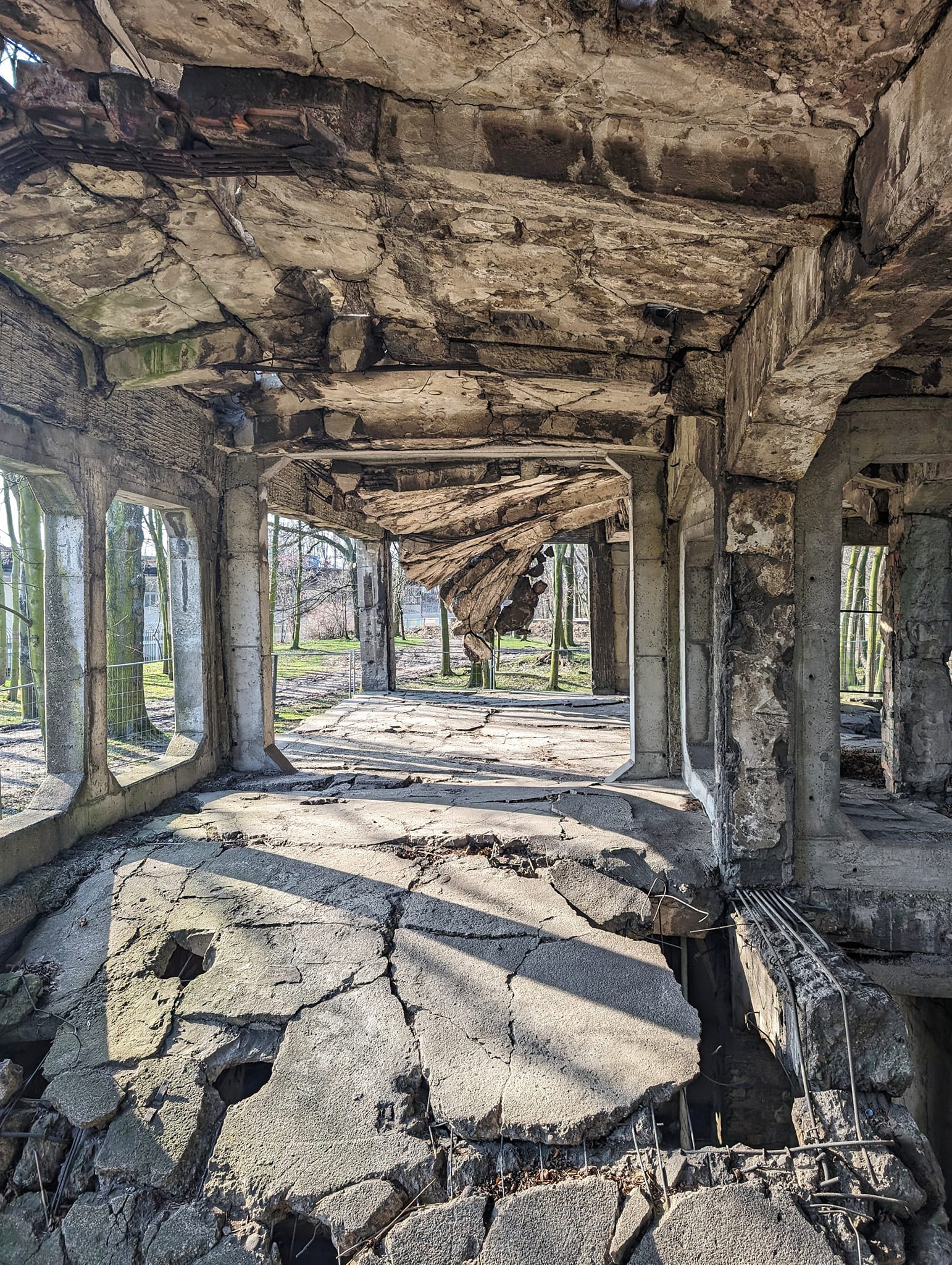
Westerplatte is a largely wooded, sandy, elongated peninsula between the Baltic Sea and the harbor channel. It became famous due to the shelling of the Polish ammunition depot on September 1, 1939, which is considered the beginning of the Second World War.
The easiest way to reach it is by bus as you’re dropped right at the start of Westerplatte educational path, which leads you through the area to explain what happened in 1939. It is a large area that can be explored by bike or on foot – I suggest you plan to spend at least 2-3 hours there. I think it’s a great spot to visit because you get out of the city, have some fresh air and learn about WWII.
Muzeum II Wojny Światowej (Museum of WWII)
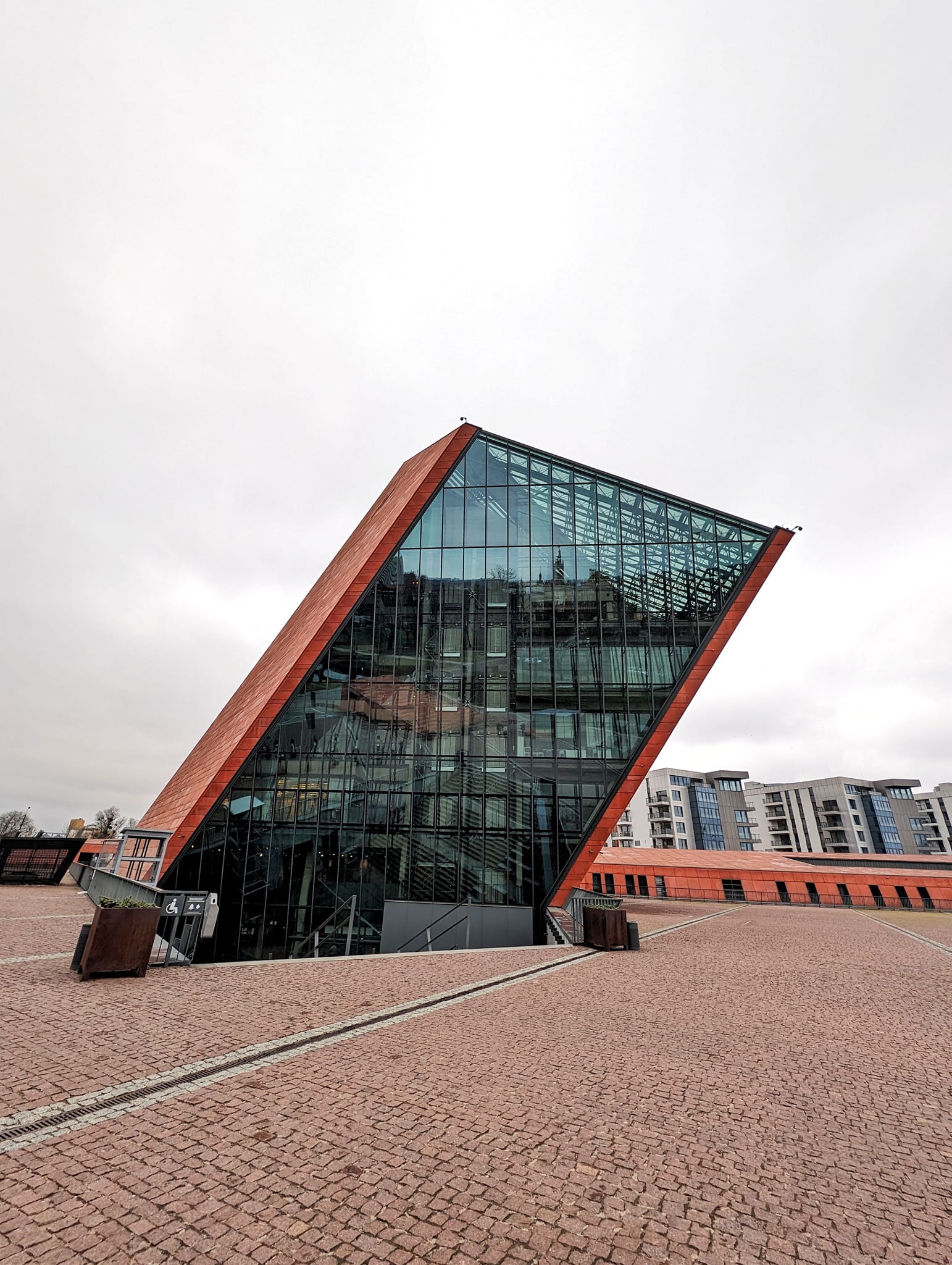
The Museum of the Second World War is probably the most famous museum in Gdańsk and a must-see in my opinion. I’m German, so it is particularly important to me to constantly educate myself about the history of Germany and especially about Third Reich. Knowledge is power and it is crucial to know and remember the atrocities of the past so we can keep them from happening again.
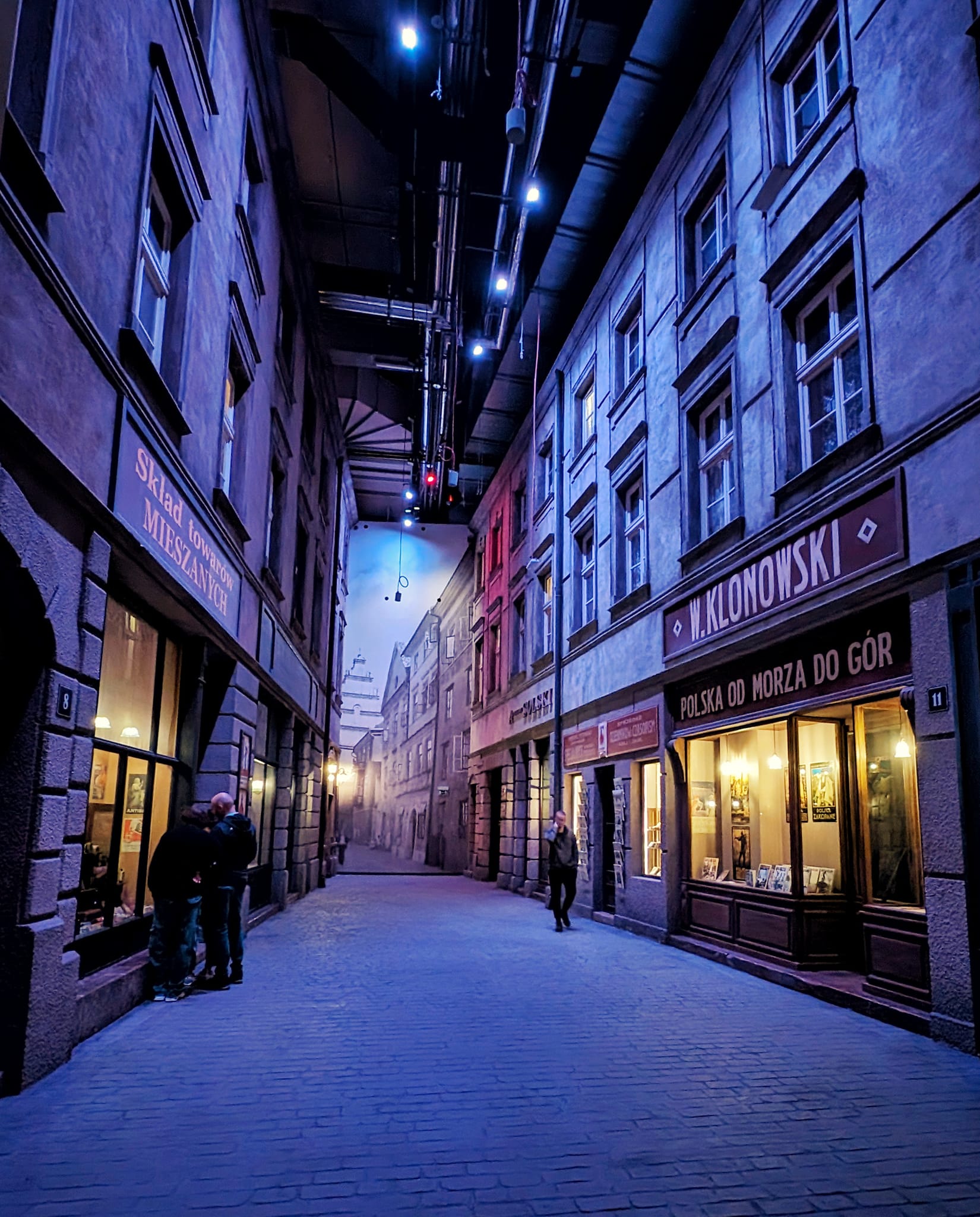
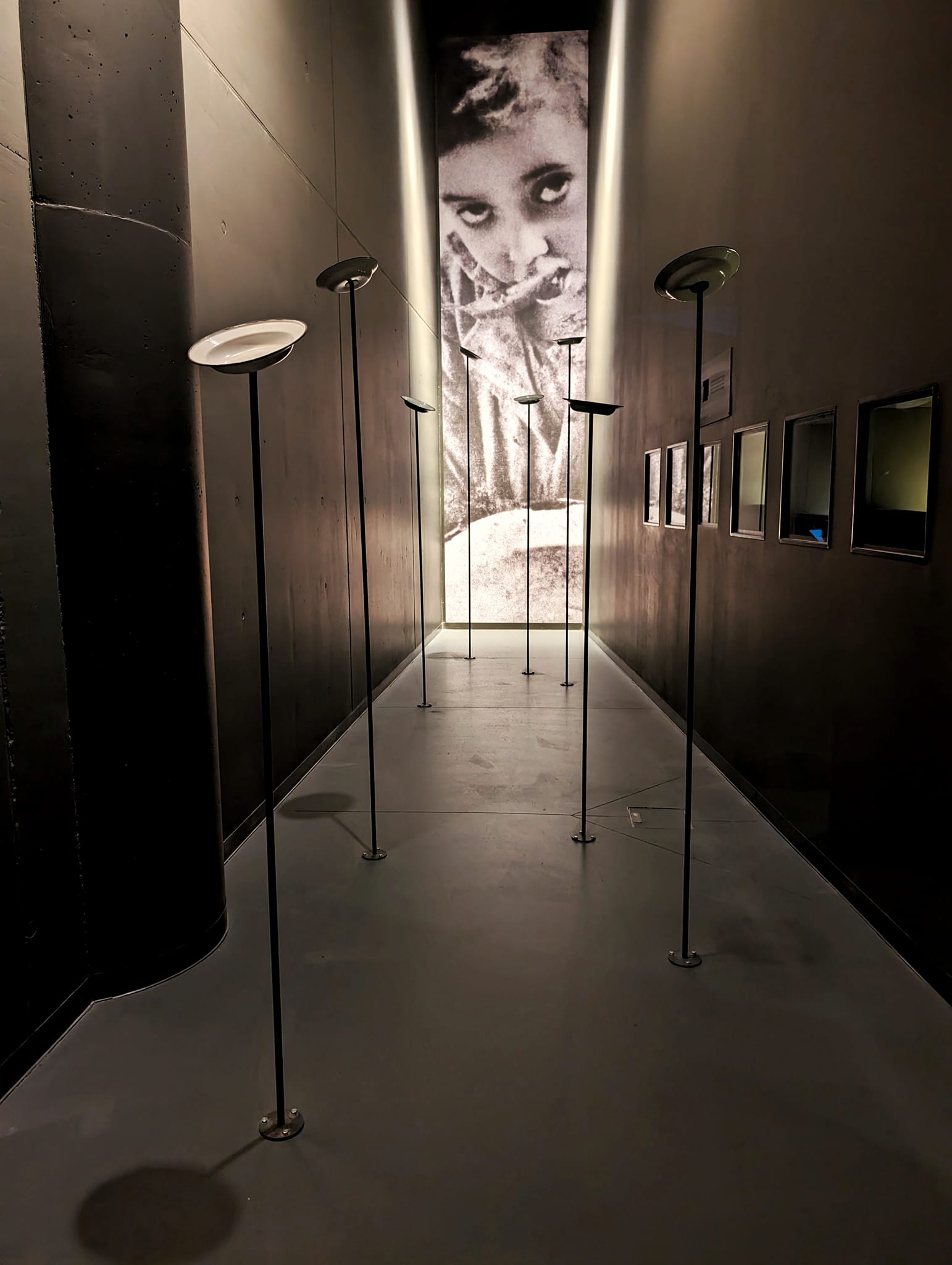
Even though it deals with a very sad topic, this museum is brilliant! The exhibition is put together so well, they have so much material, they recreated a whole Polish street to see what it looked like before and after the war. All in all they did an amazing job and I can 100% recommend you to visit! To me it was especially interesting to hear the story from the Polish perspective and learn interesting new details about the historic events.
I have to add a bit of a trigger warning though because, as you can probably imagine, the exhibition deals with some very heavy stuff and can really bring you down, depending on how sensitive you are about certain topics. I don’t have a problem with letting things get to me usually, but I have to admit I felt like crying in some parts of the museum and needed a while to shake off the sadness afterwards.
I suggest you plan at least 2-3 hours for your visit because the museum is huge and there is a lot to see, do and learn.
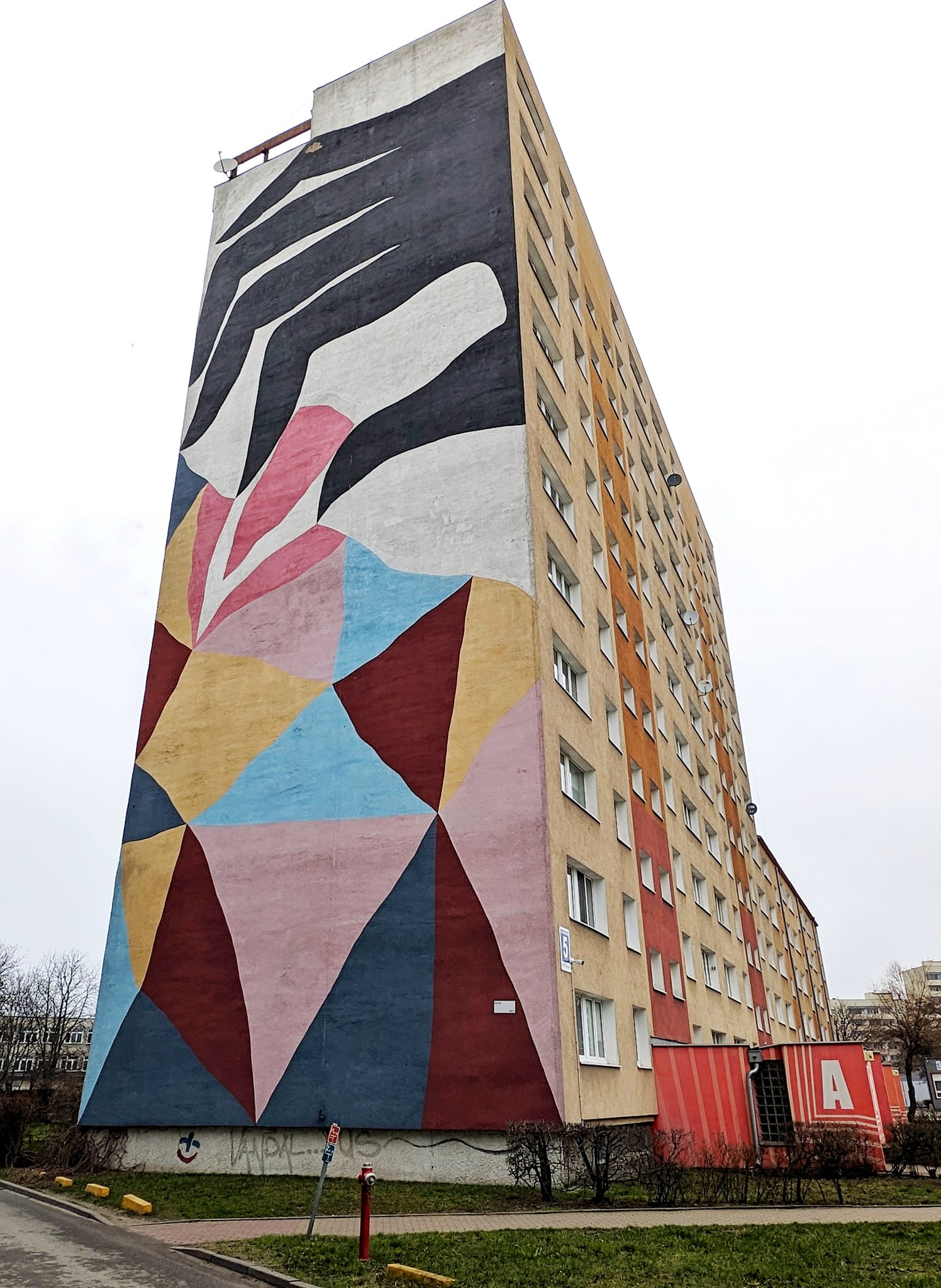
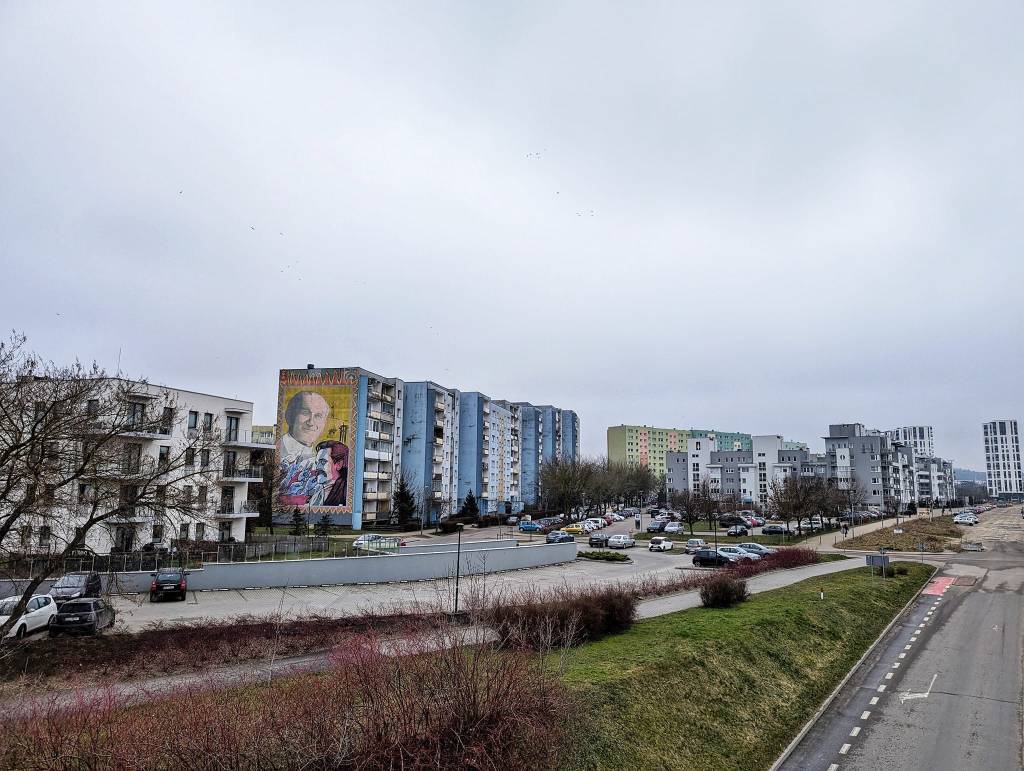
Street art in Zaspa
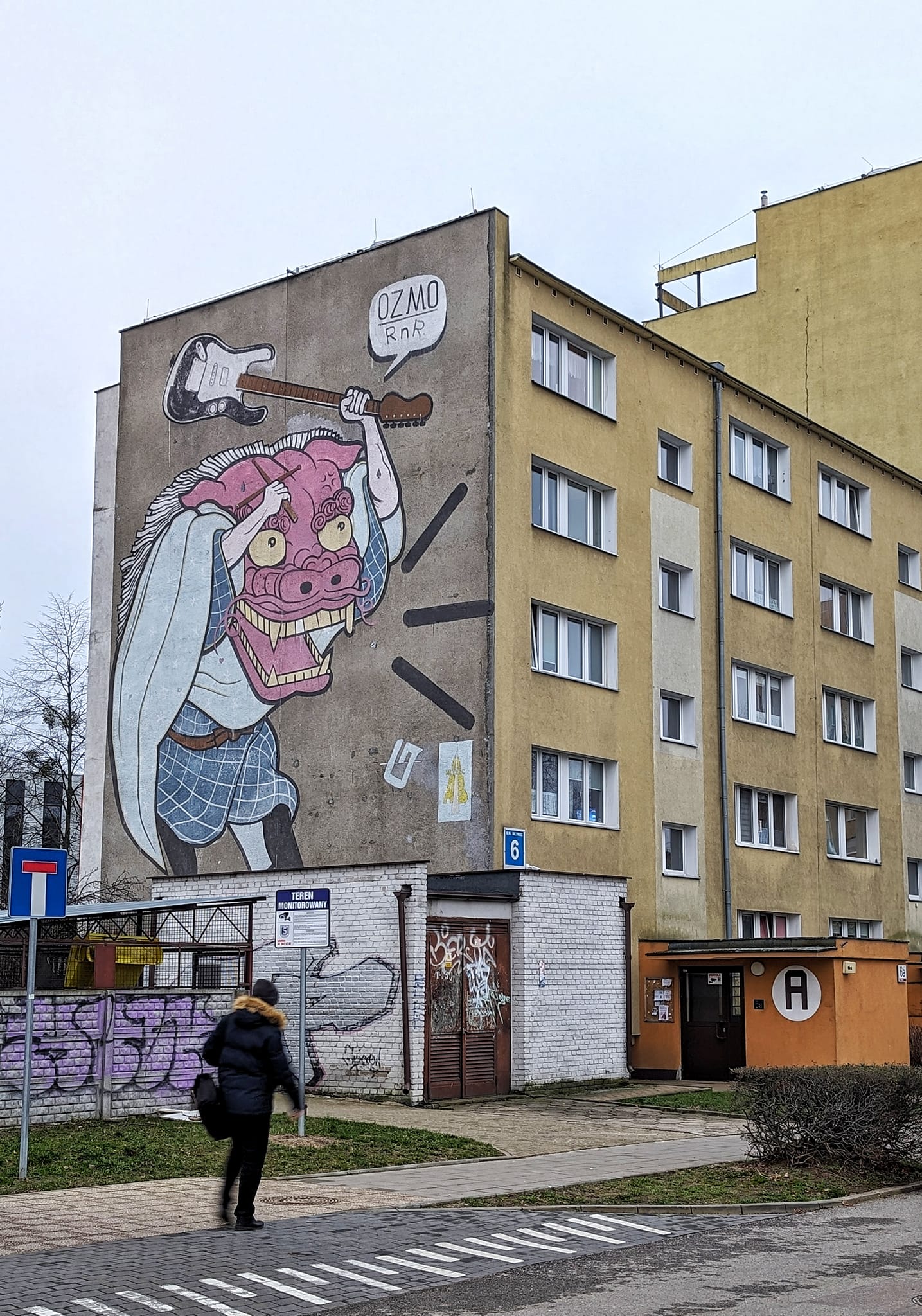
The Zaspa district in Gdańsk is a communist housing estate project from the 1970s. Unexpectedly, it has a surprise in store for those who move a little away from the historic city centre and towards these concrete blocks: the district is home to what is probably the world’s only outdoor street art gallery in a Soviet housing estate and at the same time actually the largest mural gallery in the world.
The first murals were created in 1997. They were historical and patriotic and served to commemorate important events and people from the past. However, the true blossoming of the mural collection in Zaspa only took place after 2008, when the idea was refreshed and further developed by the City Cultural Institute. Since then, the collection has grown every year with new monumental paintings by artists from all over the world. There are currently over 60 murals in Zaspa, representing different styles and themes.
You can easily explore the artworks on your own. Just take the public transport to Zaspa and you’ll see the first huge murals from a distance. I read that there are guided tours available too but at the time that I’m writing this article their website doesn’t seem to work, so unfortunately I can’t link them (the website is called Murale Gdańsk Zaspa in case you would like to google and try it yourself).

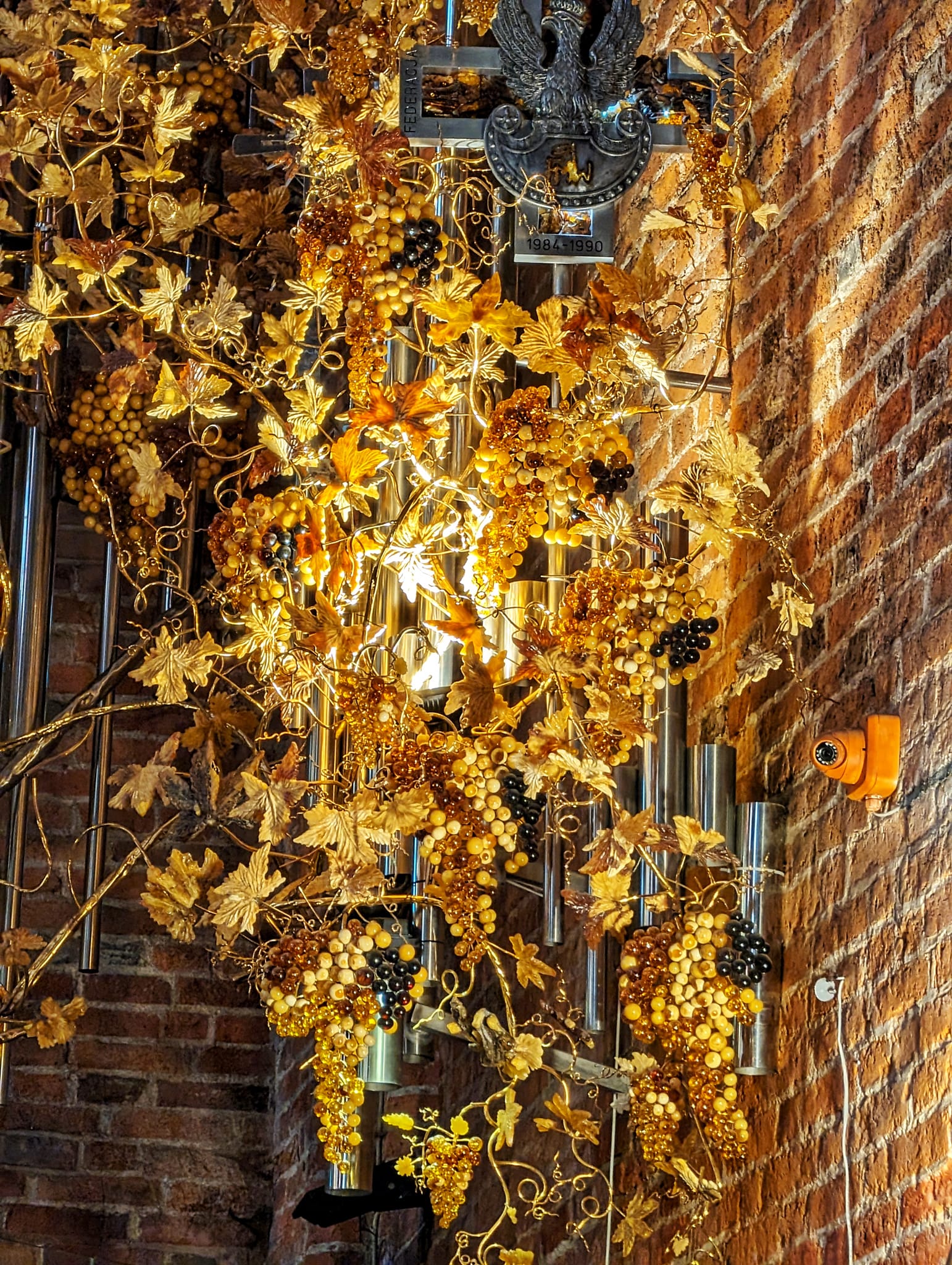
The Amber Altar
The reconstructed medieval St. Bridget’s Church in Gdańsk is home to one of the world’s largest amber altarpieces. The building is rather unassuming on the outside but as soon as you walk in and turn the corner you will see the golden amber altarpiece glow. Its beauty and the intricate ornaments will reveal themselves to you more and more with every step closer. You can read up on the church’s and altar’s history over at inyourpocket.com, their article sums it up perfectly.
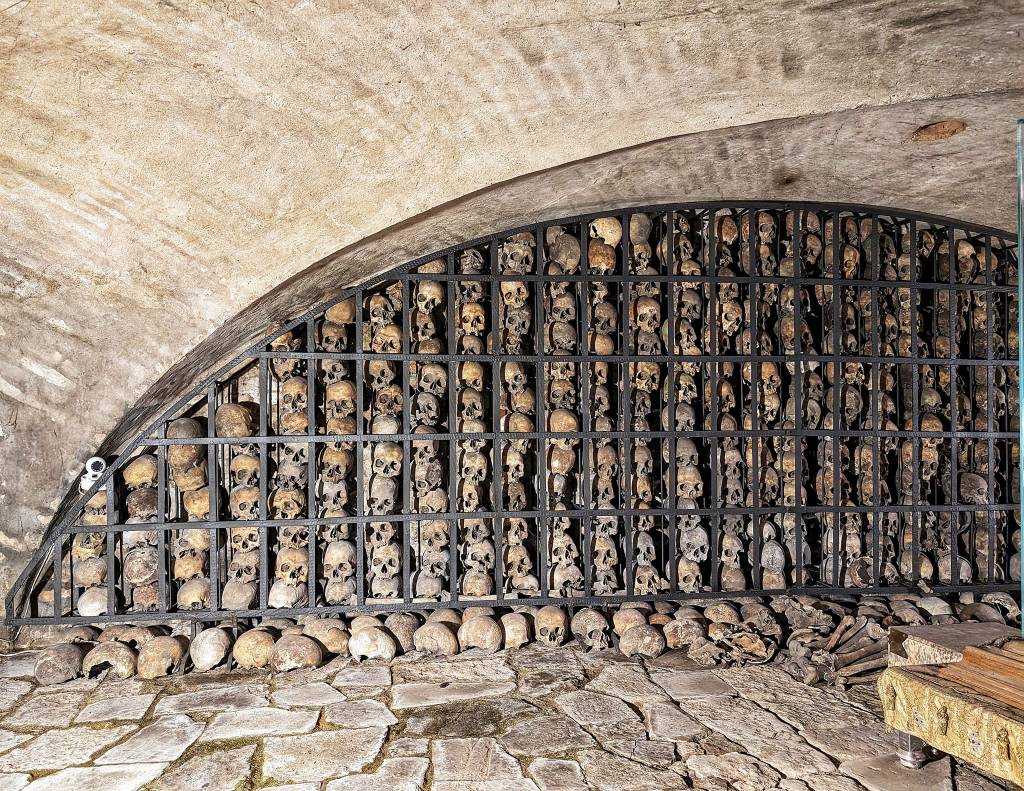
Another reason to visit St. Bridget’s is the Skull Crypt that holds the skulls of the Sisters of St. Bridget, who used to live and pray at a monastery in this location, that was demolished in 1849 before the church was built. Their remains, merely bones, were found beneath the church in 2016.
A third good reason to visit this church is that admission is super cheap. You pay about 5 Złoty ( about 1,20 €).
Gradowa Hill (Góra Gradowa)
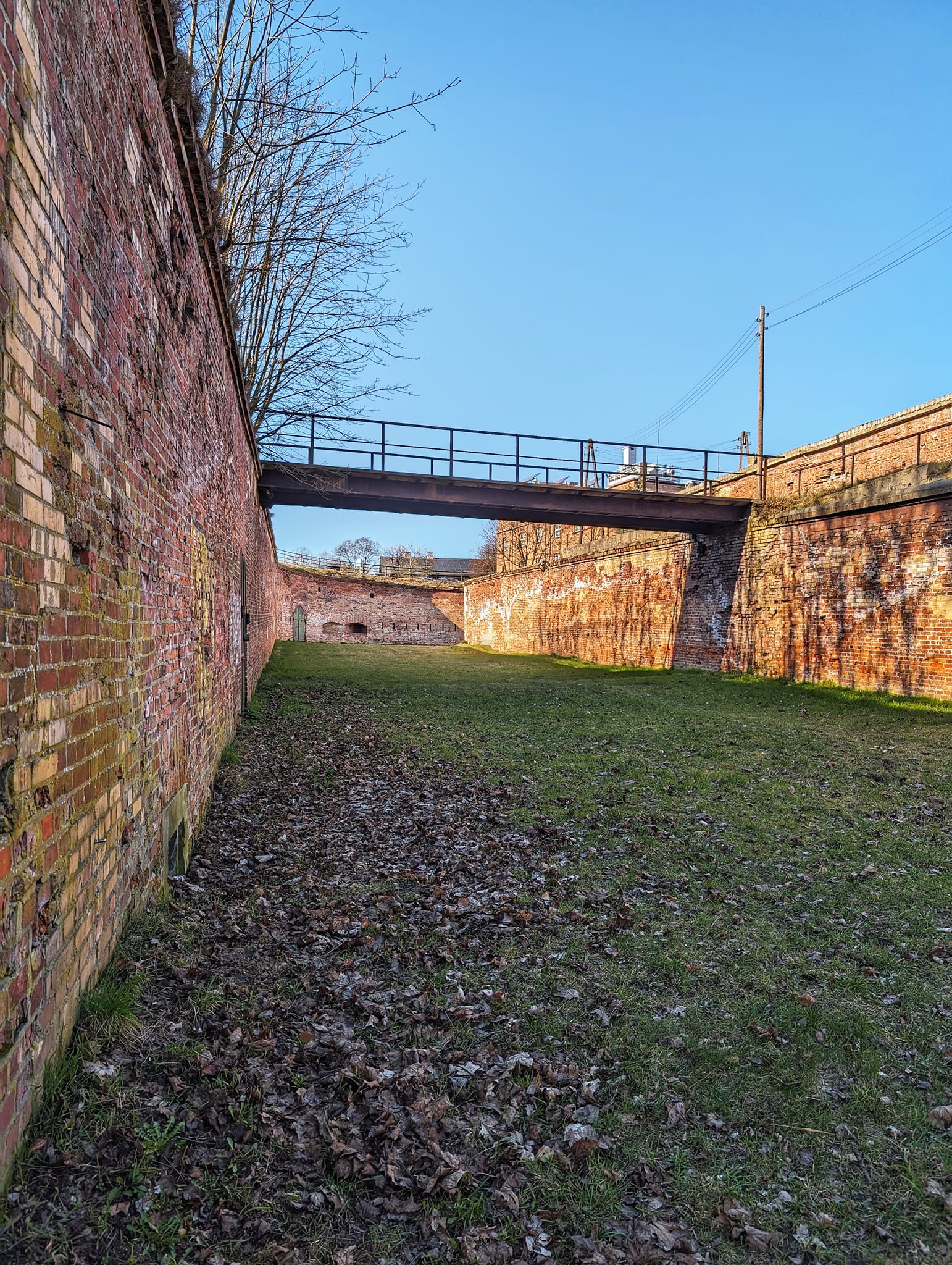
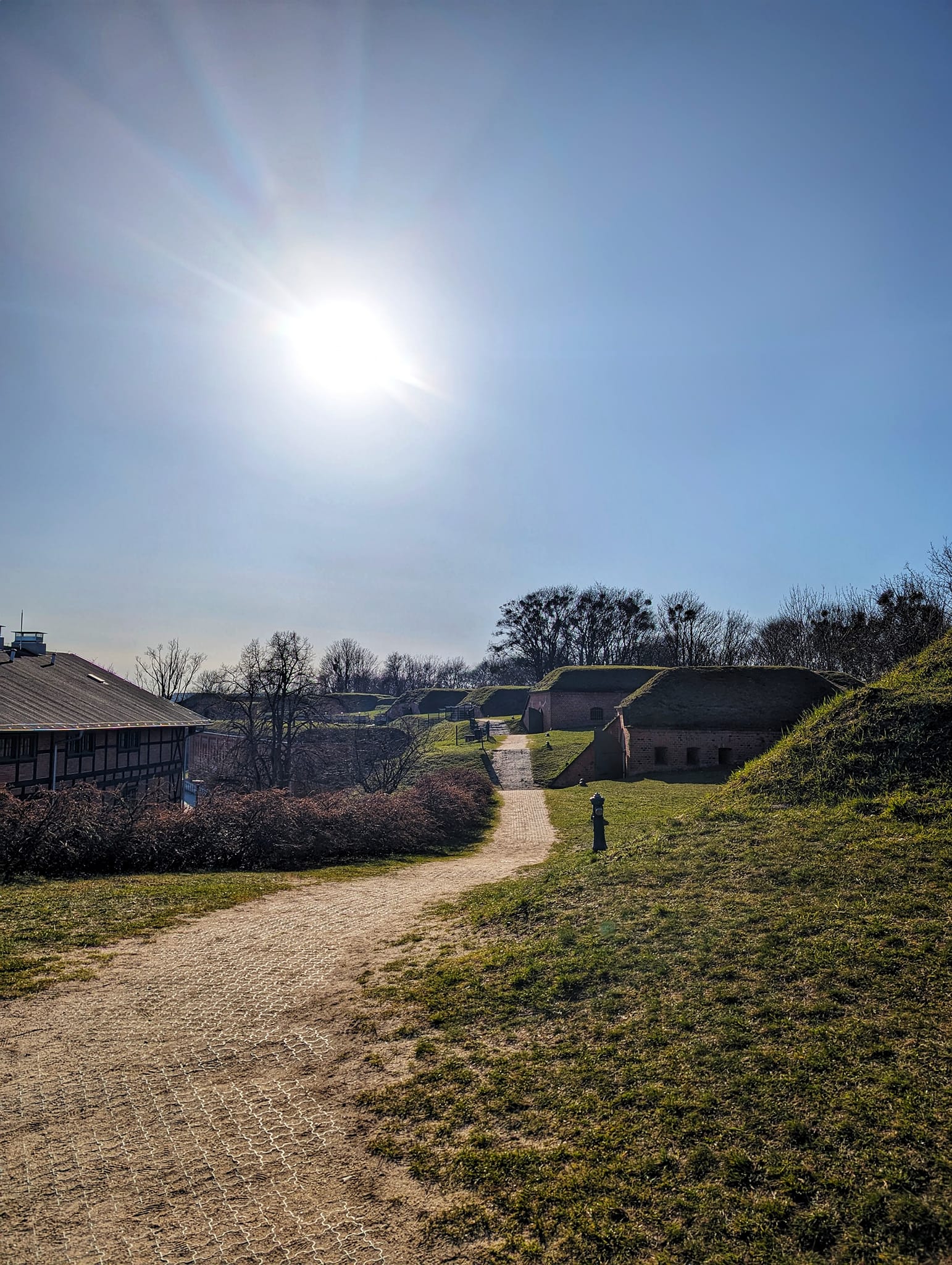
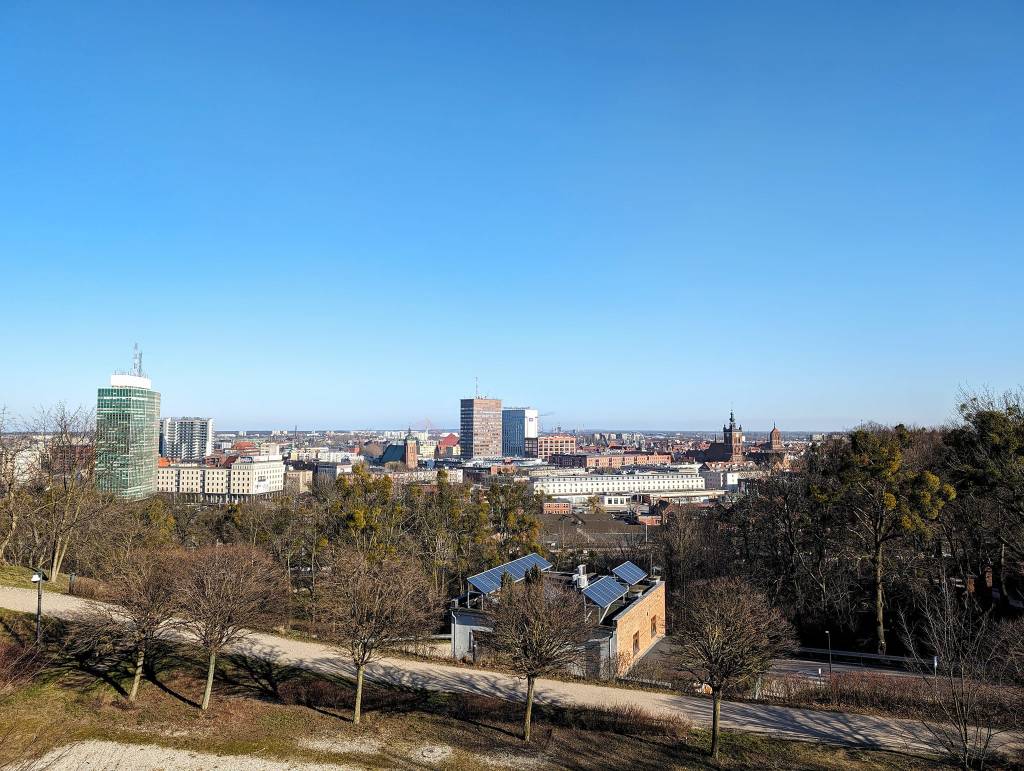
This is a hill just behind the central station, which played an important role in the defence of the city in the past. Nowadays the remains of the fortifications are home to an exhibition on the 19th century fort that was built here and a science centre – the Hevelianum Centre. You can also find a huge cross which overlooks the city and can be seen from quite a distance away. You can go for a lovely walk around the premises and take some photos as this place is one of the best to take in the glorious view of the oldtown.
Other things to see and do
There is SO much to see and do in and around Gdańsk, it’s hard to cram it all into one week. I still have some to-dos on my list for next time (and there will definitely be a next time)! Let me walk you through some of these to-dos:
- The Amber Museum – I simply didn’t have time to visit but I’m sure it’s interesting!
- Hel Peninsula (or Hel Split) – This peninsula separates the Baltic Sea from the Gulf of Gdansk and Puck Bay. You can visit on your own or book a guided tour to discover the beautiful beaches and peaceful nature as well as the Museum of Coastal Defence and picturesque little villages. If you’re extremely lucky you might even spot seals.
- Stutthoff Concentration Camp – This was the first camp built in Poland by the Nazis. It was established in the first days of World War II to exterminate educated Poles. You can book guided tours including transfer from and back to Gdańsk or take the bus and visit on your own. Please visit the tourist information center in Gdańsk to ask how to get there by bus because I had to find out myself how confusing it can be if you don’t speak Polish. All I found out is that the bus doesn’t go during the winter months (I visited in March which still counts as a winter month).
- Main Town Hall – You can actually climb the tower to get beautiful views of the oldtown’s houses. Unfortunately it was closed due to renovation when I was there.
- Nearby beaches – In March I didn’t feel the need to go to a beach because it was around 10°C but in case of warmer weather there are some nice beaches like Stogi Beach or Brzeźno Beach.
- Go on a day trip to Sopot – I did and you will find my article about it here soon.
- Go on a day trip to Gdynia – I didn’t have time, so I’ll catch up on it next time.
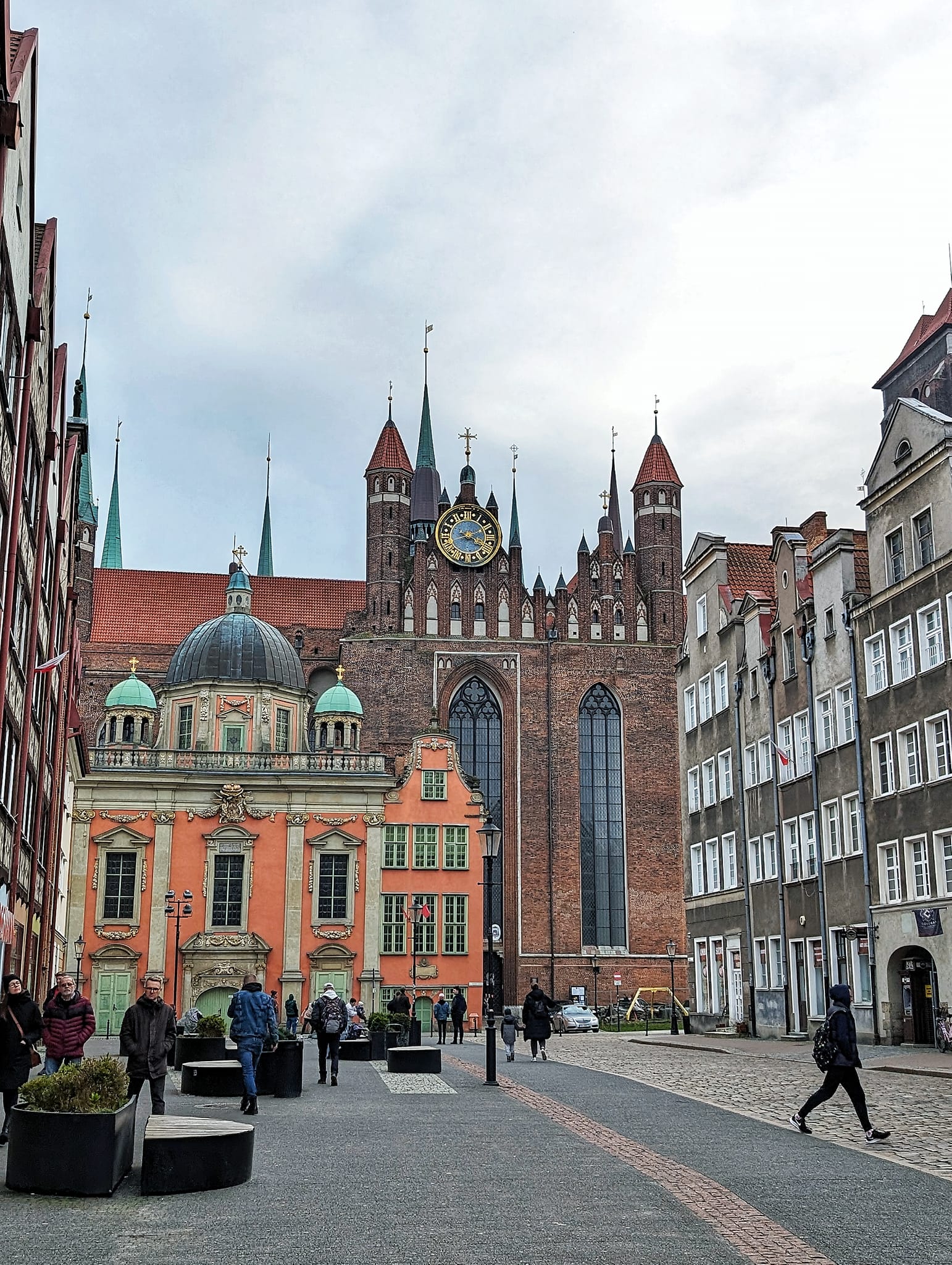


After one week in this beautiful city I was totally in love! There is so much to see, do, eat, drink and enjoy – I had no idea how awesome Gdańsk is! I think this city is still flying under the radar of city trippers compared to the more popular Warsaw and Kracow. If you love visiting cities that are full of history, good food, nice people, amazing architecture, great shopping facilities, has the sea and beaches nearby and provides a very walkable or bikeable infrastructure, Gdańsk is the place for you!
Oh and if you’re a foodie, watch this space: All the food I had in Gdańsk was so good, I will put together an own post about it here soon.


 Travel Toast Adventures