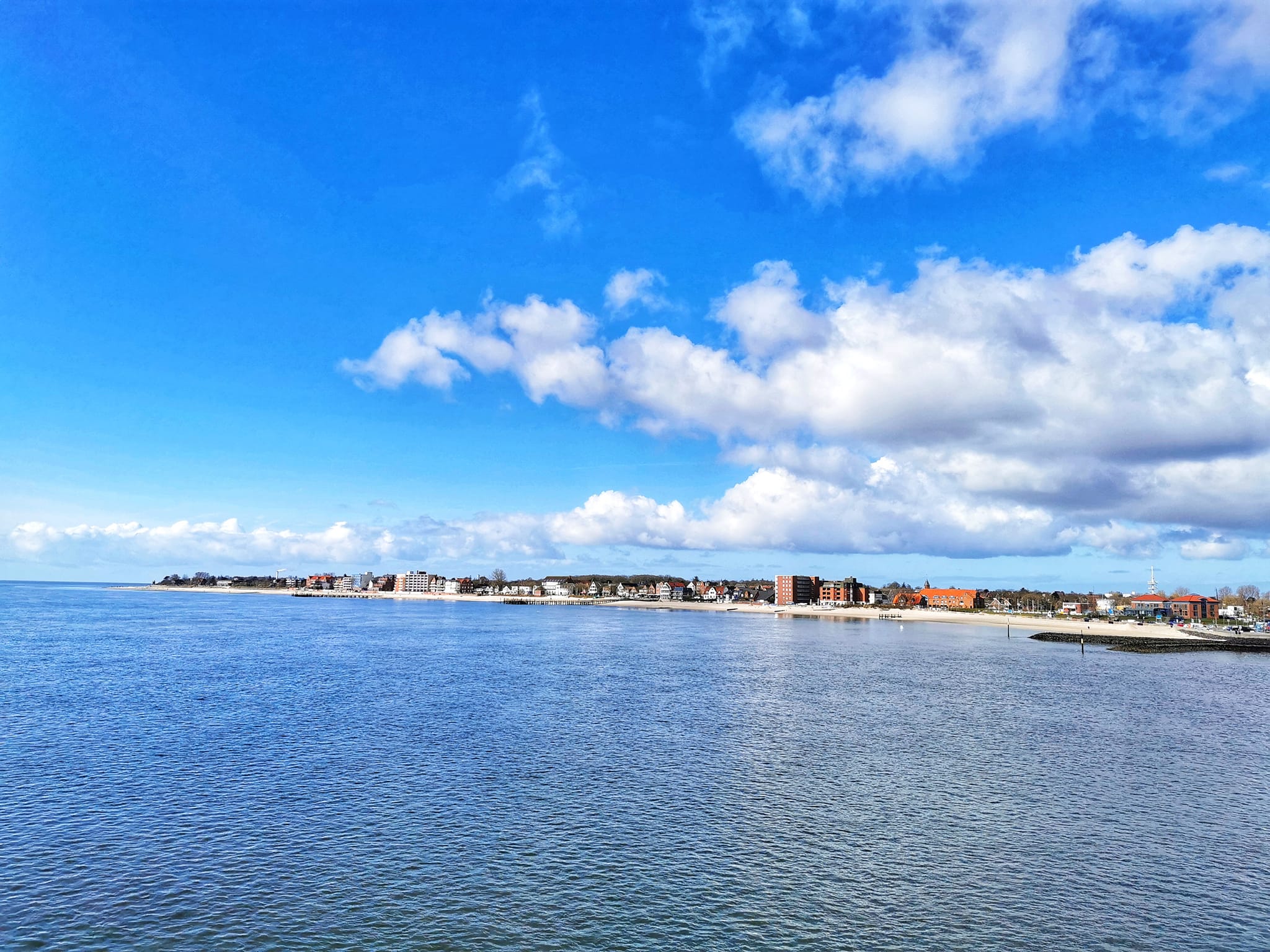
My love for the North Sea is deeply rooted in my childhood because my parents used to take me there on vacation every year when I was younger. However we always went to the Dutch seaside because it was closer to where we lived. This year I decided to go to the German coast instead. I didn’t know what to expect and had no specific destination in mind but after some research I picked the German island of Föhr. It’s called the Frisian Caribbean so I was sold (don’t expect palm trees though)! And let me tell you it was amazing! I went there in late March during the off season, got really lucky with the weather and had the most relaxing week in a while.
Mode of travel
As petrol prices are very high at the moment, I decided to travel by train. From Düsseldorf, I first took the express train to Hamburg, which was a four-hour ride. There I changed to the regional train which took me to Niebüll within 2.5 hours. Then I had to change to the feeder train to the Dagebüll ferry port, which only took 20 minutes. The last leg of the route was a 50 minute ferry ride to Föhr.
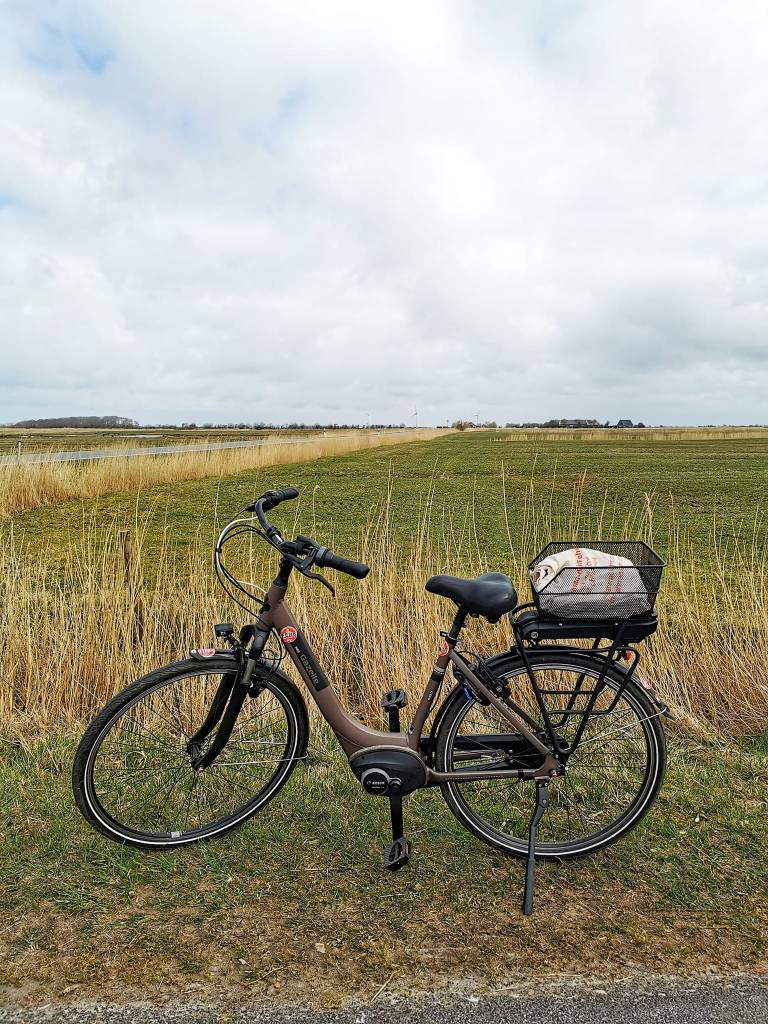
The island is only 83 square kilometres big, so the best way to explore everything is by foot in the main town of Wyk or by bike to visit the island’s villages. You can rent normal bikes or e-bikes in a lot of places there. The rental prices vary between 7 and 23 Euros per day depending on what model you pick. Unlike other islands, cars are allowed on Föhr so you could rent a car too or bring your own car over by ferry.
Accommodation
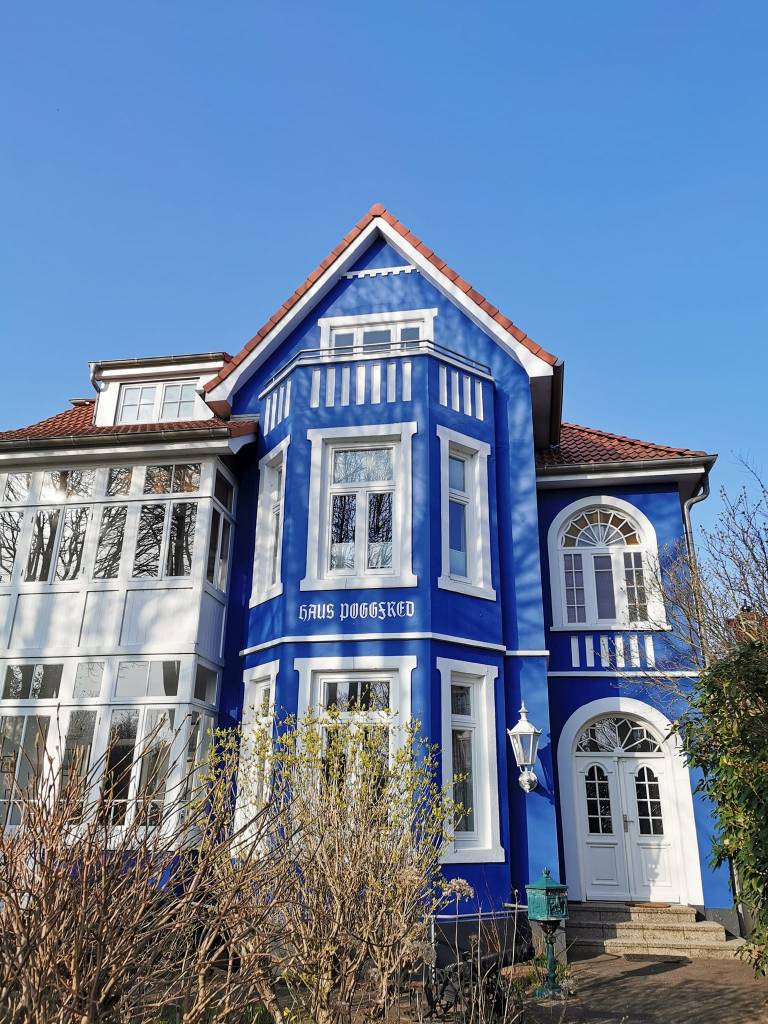
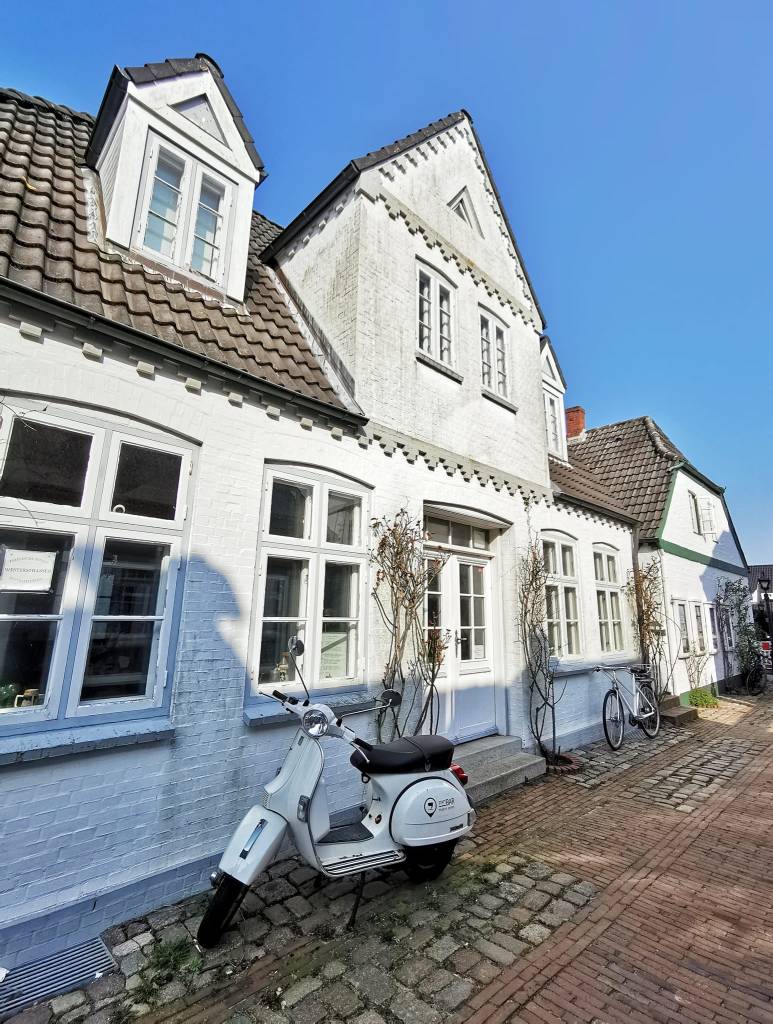
I booked a lovely little holiday apartment that I found online. It was the perfect size for me but would also fit two people like a couple or good friends who are okay with sharing a bed. It has a bathroom with a shower, a small bedroom with a queensize bed and a combined (fully equipped) kitchen and living room area. The apartment is located in an old house that looks so quaint! There are other (bigger) apartments in this house too but I’m not sure if they’re all owned by the same landlord.
The accommodation is located in the island’s main town Wyk. It’s tucked away in a quiet side street but only a short walk away from the main street with all its shops, restaurants and the seafront.
Sunrise by the beach
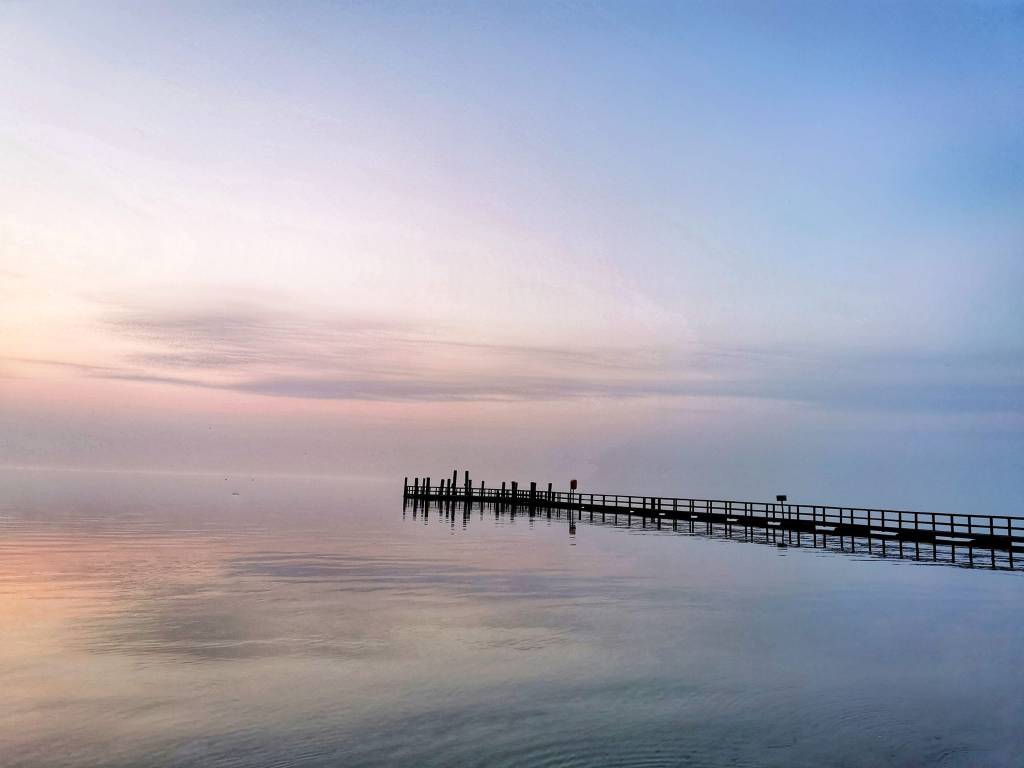
Wyk’s seafront wraps along a street called Sandwall. As it’s mostly facing east, it’s the perfect spot to watch the sunrise. I’m not a morning person at all but getting up before dawn was really worth it there! As I was visiting in the off season it was wonderfully quiet and empty on the beach in the morning and I had the most beautiful sunrises almost completely to myself.
The town of Wyk
When I say town I mean smalltown but there’s still a lot to see and do. First of all there is the main street Sandwall with cafés, eateries and shops – definitely the main tourist spot because the main beach is connected to it. I can imagine it’s packed in the summer time but when I visited it was nice and quiet. You can get all your beach wear there as well as outdoor gear, toys, souvenirs etc. Not far from the main street are supermarkets, bike rentals, drug stores and such.
You can book a treatment in one of the beauty salons or spas if you fancy some relaxation. I got a 50 minute back massage and cupping session at Aquaföhr, which I can totally recommend.
Right across the street of my holiday home was a cute little park located right in front of a windmill. The windmill is private property but the park is worth a visit in the daytime but also at night when it’s illuminated.
Another to-do is take a walk through the lanes and marvel at all the picturesque Nordic style houses.
Bike tours through the countryside
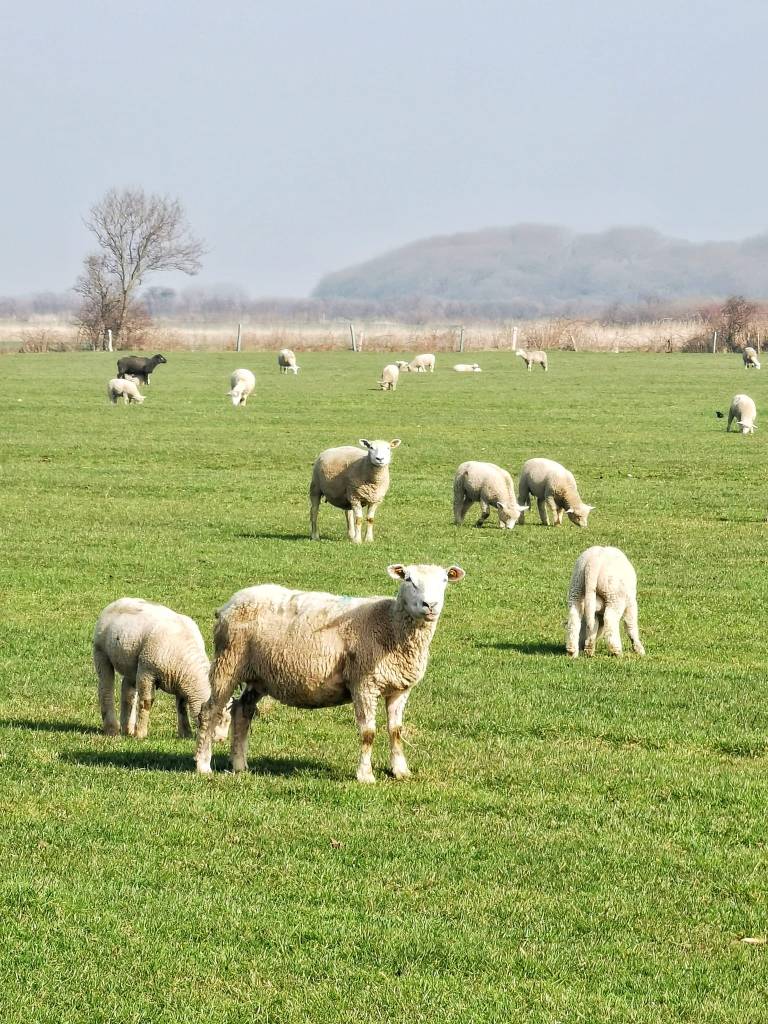
The island’s countryside outside of Wyk is amazingly beautiful and you can ride your bike all day without getting tired of the views. There are so many sheep, cows and horses as well as heaps of birds everywhere. Late March was the perfect time to see all the little Easter lambs that hadn’t been born too long ago. The land is flat and easy to cycle on but, depending on the weather, there can be strong winds – an e-bike can come in handy then.
Beach walk at low tide
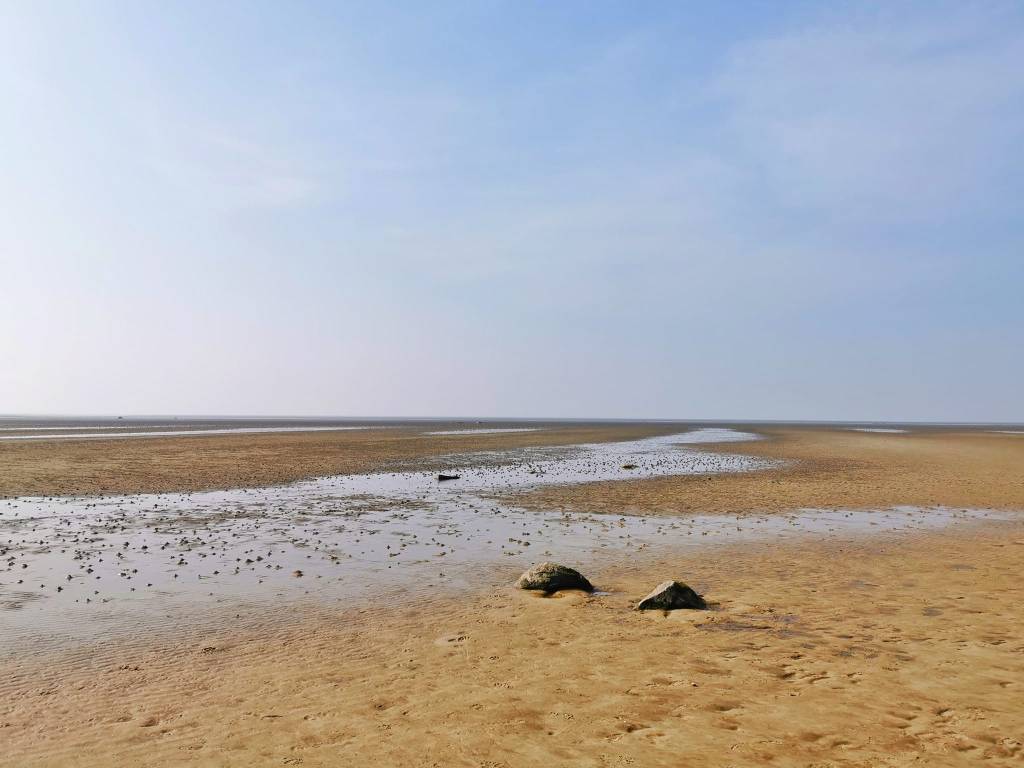
The Wadden Sea only appears at low tide and is a world of its own. Walking along the sand that’s usually covered by water always felt magical to me somehow. There is so much to discover! I found sea shells, crab shells, lugworms, animal bones and lots of other interesting things along the way.
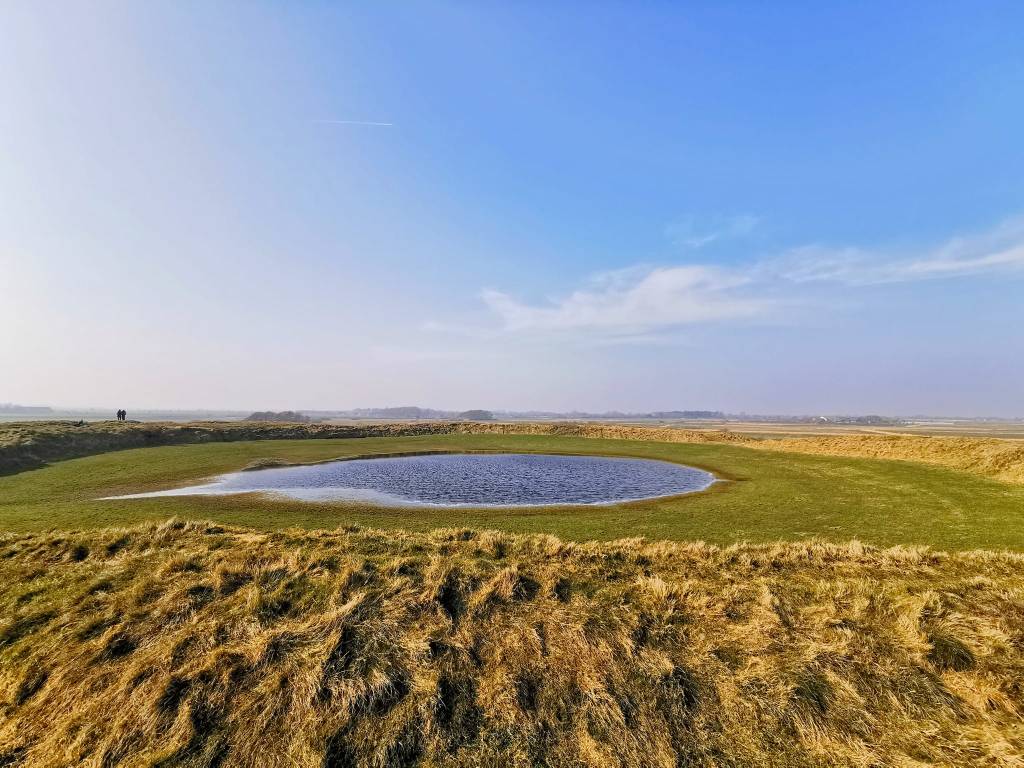
Lembecksburg
Lembecksburg is a ring fort and archaeological landmark dating back to the Viking times somewhere around the 9th or 10th century. Archaeological excavations revealed that there used to be residential buildings inside the ring wall at some point. Today, only the rampart remains, which offers a wonderful view of the surrounding landscape from above.
Climbing the rampart is worth it for a photo or ten. Beware of the earth wasps that live there though! And bring waterproof shoes if it has been raining before your visit – the field around Lembecksburg can be very swampy (I ruined my sneakers walking across it).
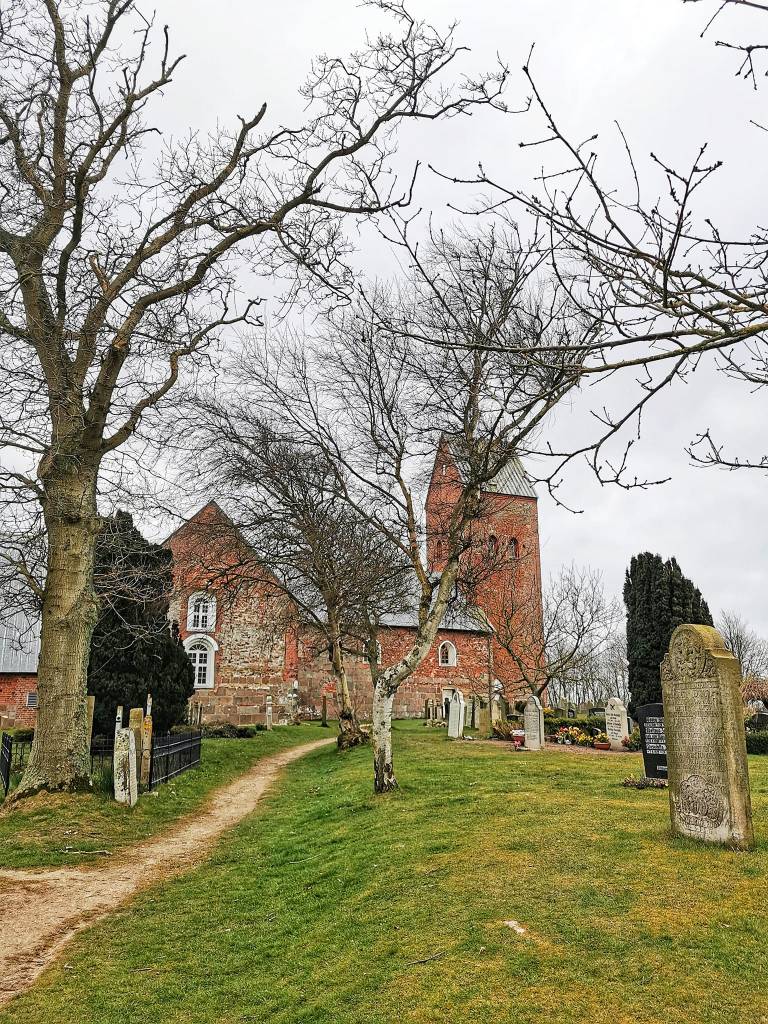
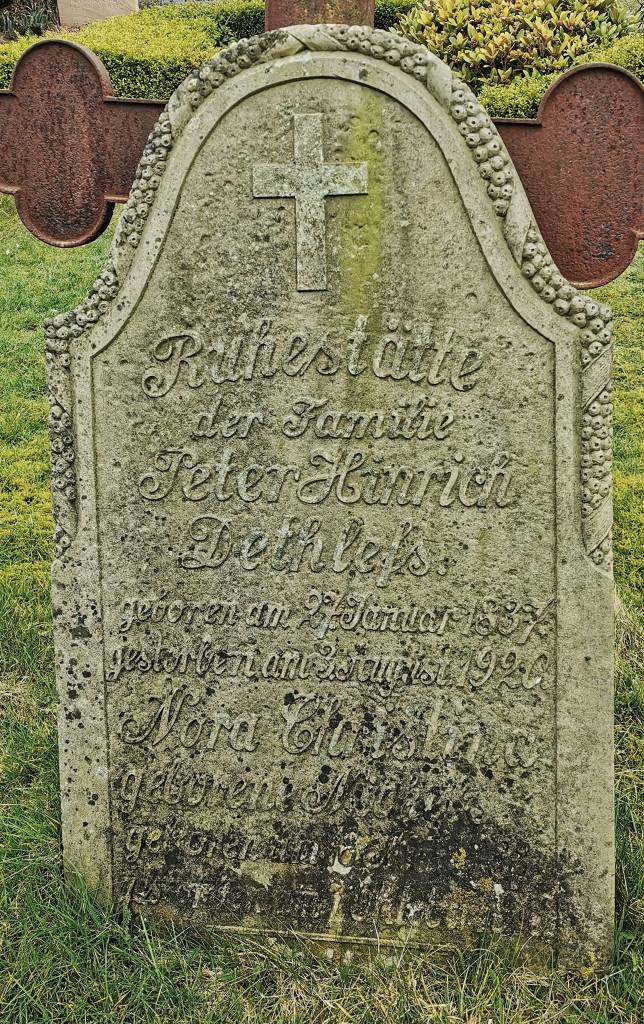
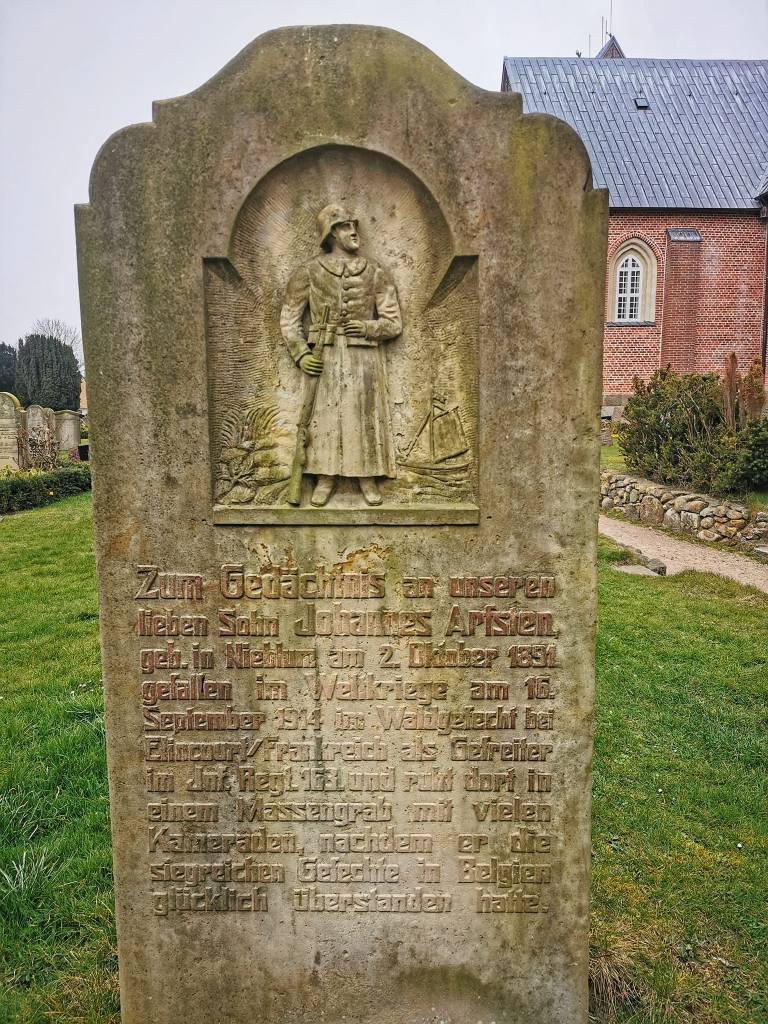
The Talking Gravestones
It might sound a bit scary at first, but the Talking Gravestones of Föhr are interesting protected monuments and can be found at various cemeteries on the island. Their inscriptions tell stories of the family and professional life of the whalers and captains, but also of special events and honorary offices of the deceased. They are decorated with anchors, hearts and crosses which are symbols of Christian seafaring. The largest gravestone belongs to “Matthias the Lucky”. He was buried in 1706 as a rich and respected citizen inside the St. Laurentii church in the village of Süderende directly in front of the altar. But his descendants never paid the agreed fee to the church, so his remains were dug up and placed outside the door.
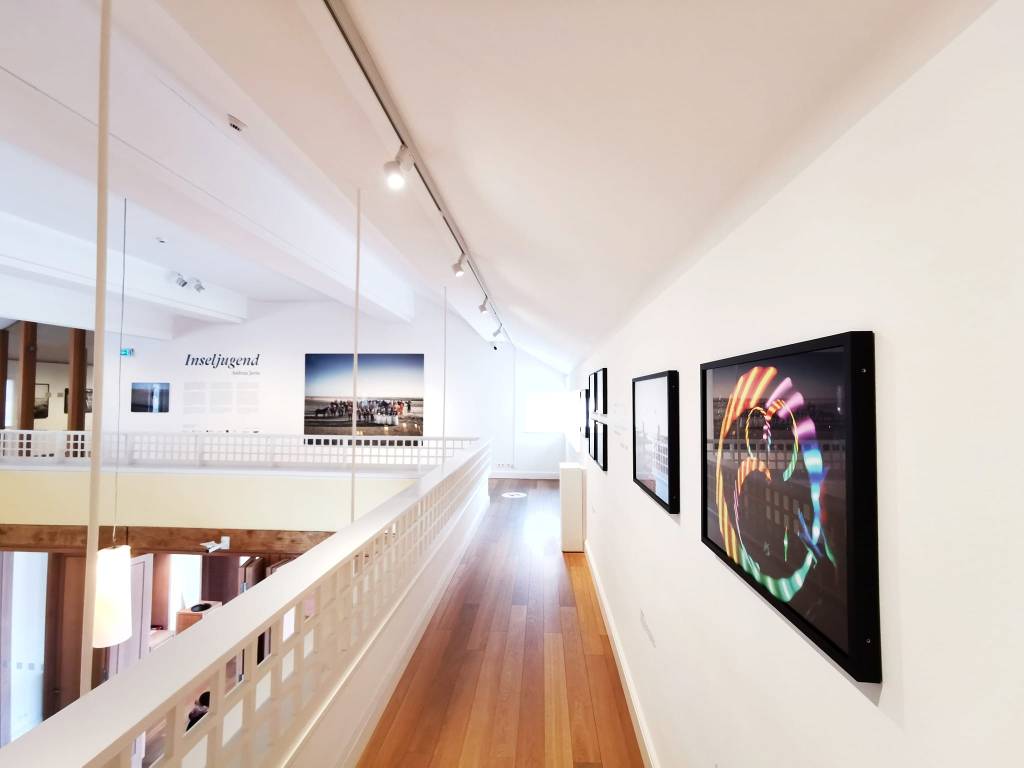
Art Museum Kunst der Westküste
The museum‘s name translates to “West Coast Art” and this is exactly what you find there. It collects, researches, communicates and exhibits art reflecting on the themes of the sea and seaside. When I visited there was a very interesting exhibition about the Danish painter Anna Ancher, the Norwegian installation artist of residence Rune Guneriussen and the German photographer Andreas Jorns, who created a captivating series of photographs about the island’s youth.
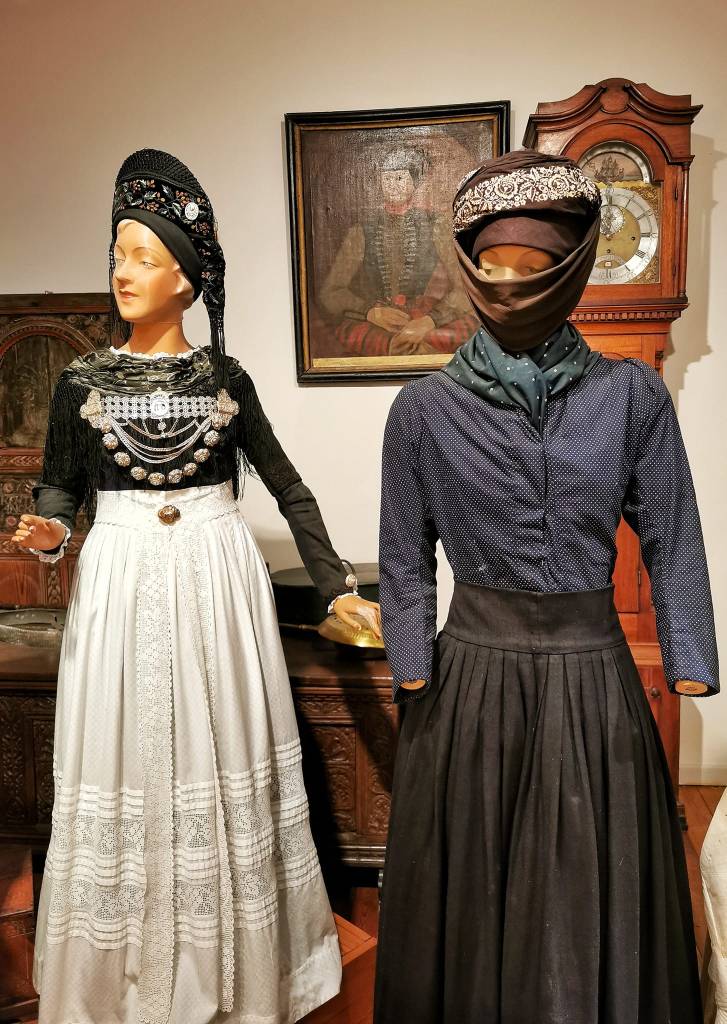
Dr.-Carl-Häberlin-Friesen-Museum
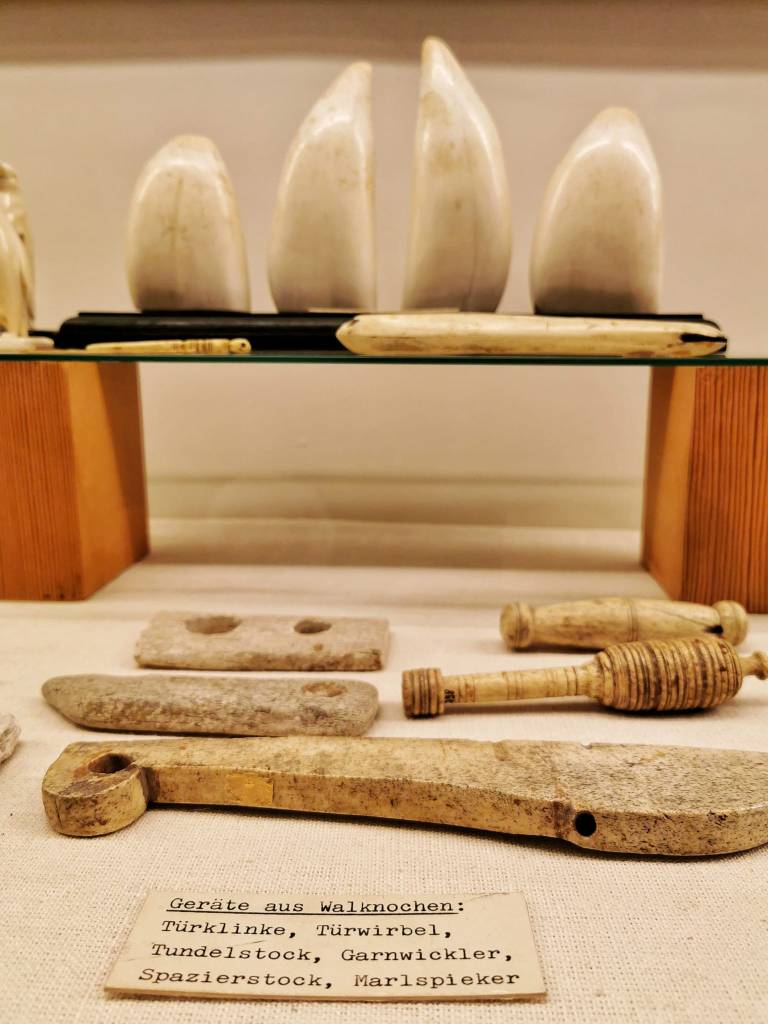
You enter the museum through a gate made of huge whale jaw bones. Next to the main house with its cultural-historical collection, there is also the oldest house on the island of Föhr, built in 1617, which was moved from the village of Alkersum to the museum grounds in the 1920s.
I spent a whole afternoon there roaming the rooms that are filled to the brim with historical tools, clothes and documents as well as taxidermied animals, old photos and artefacts. There is SO much history stored in these halls! My favourite part was the corner about locals that moved overseas in the 19th and 20th century – so many different stories of hope, loss and adventurous spirit!
Food and drink
Beach bars
As I don’t live by the coast, I especially enjoy hanging out at beach bars when I’m on vacation. Sipping on a drink while watching the waves has to be one of my favourite pastimes. Two lovely places to do exactly this are Pitschis and Kalipso.
Pitschis is located on Wyk’s South Beach and open almost all day. Fish and chips for lunch with a beach view? You can have it here. An afternoon coffee to top up your batteries? Sure, no problem. A longdrink by the beach at the end of the day? This is the place to go. I was there several times, lounged in their wicker beach chairs, read a book and let the sun shine on my face. The bar is part of Windsurfing Föhr, a watersports center next door that offers classes for surfing, sailing and stand-up paddling.
Kalipso is a beach bar that’s part of Aquaföhr, a public swimming pool and wellness center. They offer cold drinks, hot beverages, cakes and tidbits. Bonus: You can chill out and enjoy your food while watching other people work out at the gym next door. Or enjoy the beach view to not feel so guilty. 😉
Breakfast/brunch
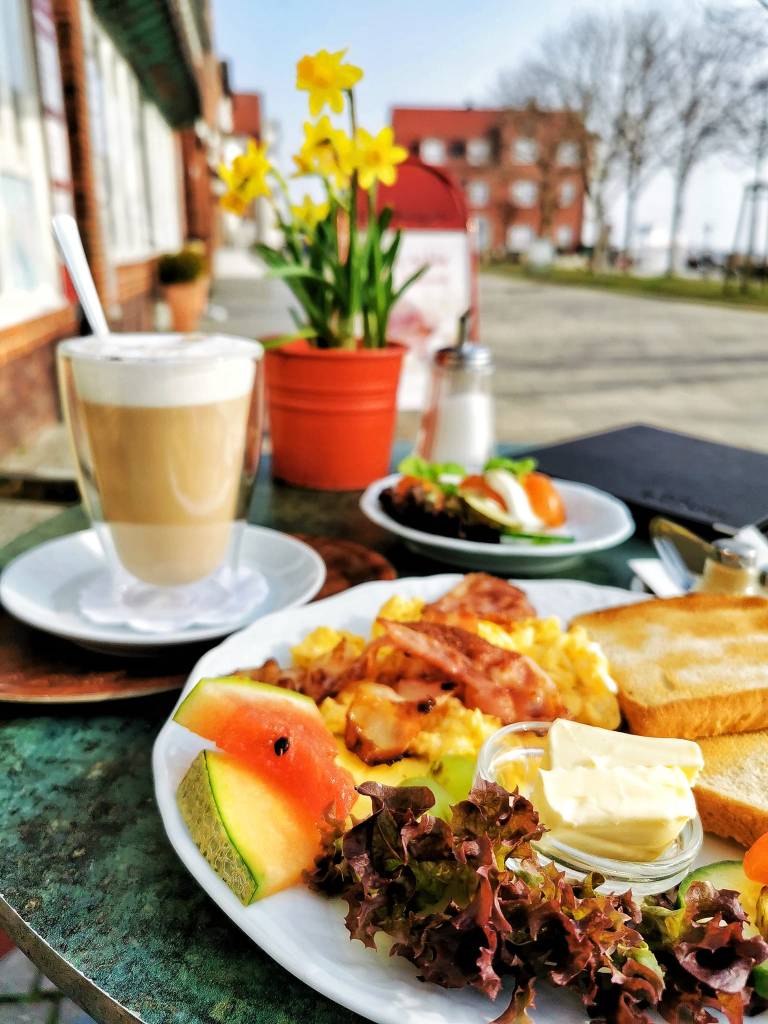
Café Steigleder first opened in 1919 and is family-owned to this day. They have amazing cakes but also one of the best breakfasts (or brunches) on the island. Classic German “Belegte Brötchen” (our version of a sandwich pretty much), scrambled eggs with crispy bacon, cereal-yogurt-bowls or the extra fancy champagne breakfast – everything a breakfast lover’s heart desires. Dont expect avocado toast though, this place is rather traditional.
CoffeeFee is a more modern café that offers classic breakfast items as well as homemade rice pudding and oat milk latte (and other milk alternatives). If you’re lucky (or early) you’ll be able to get one of their tables with a beach chair and enjoy your food with a front row sea view.
Cake
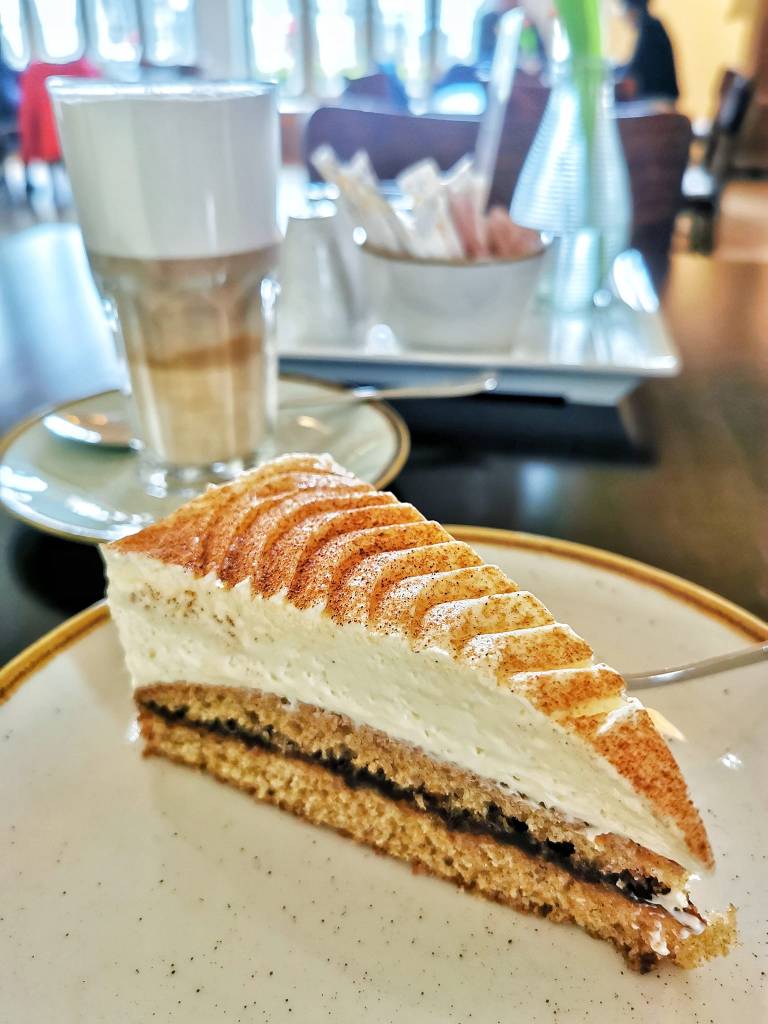
The above-mentioned Café Steigleder in Wyk is one of the cake hotspots but there are other cafés I visited that had delicious cakes, too. At Karin’s Landcafé in Süderende I tried the famous local “Friesentorte” (Frisian Cake) that consists of puff pastry, whipped cream and plum purree – it’s SO good! At Museum Kunst der Westküste’s café I tried a slightly different version of the Frisian Cake, which was just as good. And then there was Kliff Café in Nieblum where I technically didn’t have cake but the fluffiest homemade waffles with cream and cherries – absolutely scrumptious!
Other things to see and do
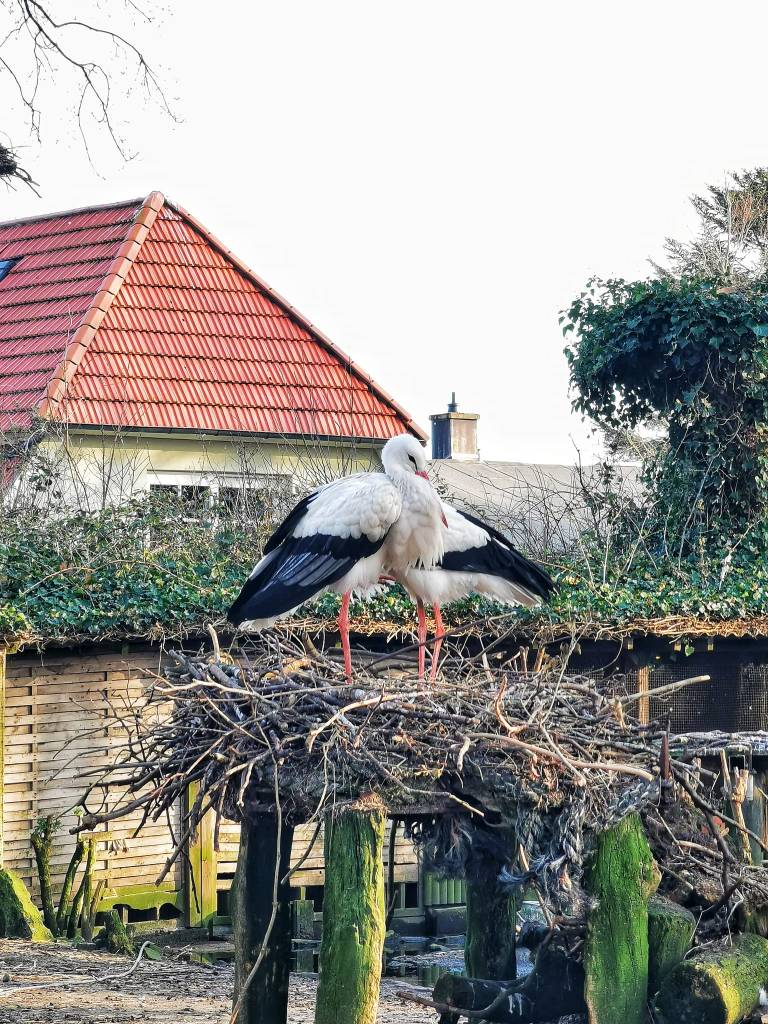
These last two tips are for the animal lovers. The first one is a stork sanctuary at Villa Friede in Wyk where you can watch these beautiful creatures up close. Villa Friede is a bed and breakfast so you can even book a room and live right next to the storks. Visiting the enclosure and looking in from the outside is free of charge but there is a donation box installed at the fence to support the good cause of resettling the birds there.
The second one is a seal sanctuary that offers an exhibition and different seasonal events throughout the year. To learn about their next charity fleamarket, reading or yoga session you can visit their website. All the money raised through the events benefits the animals.


 Travel Toast Adventures