
To be honest I didn’t know much about Valencia when I decided to add it to the list of potential cities for a trip in November 2022. This time I didn’t travel alone, so I had to agree on a place with my travel buddy. He suggested Barcelona but I had been there before (unfortunate trip though, I definitely have to go back and do a proper city trip). Anyway, I wanted to go somewhere new, so after some research Valencia seemed to be the perfect alternative to Barcelona: Still warm in November, lots of cultural heritage, good food, churches, museums, modern architecture and many national parks in the surrounding area.
The food in Valencia was so good, I put together an own post about it here.
Mode of travel
We flew in because for a one-week-stay, the train ride down there wouldn’t have been worth it as it would have swallowed a minimum of one whole day per trip. There are affordable flights available to and from Valencia, e.g. with Eurowings, Lufthansa or Iberia.
Within the city we walked a lot but there is also a good bus system as well as the Metro. Another option is the local bike sharing service called Valenbisi, that offers rental bicycles for fair price.
For day trips to the national parks outside of the city we booked a rental car. We booked via Hertz and paid about 70 € including insurance for a Opel Corsa for two days (in November 2022). Beware of the big city traffic though, Valencia’s huge roundabouts with 4 lanes are a challenge even for experienced drivers.
Accommodation
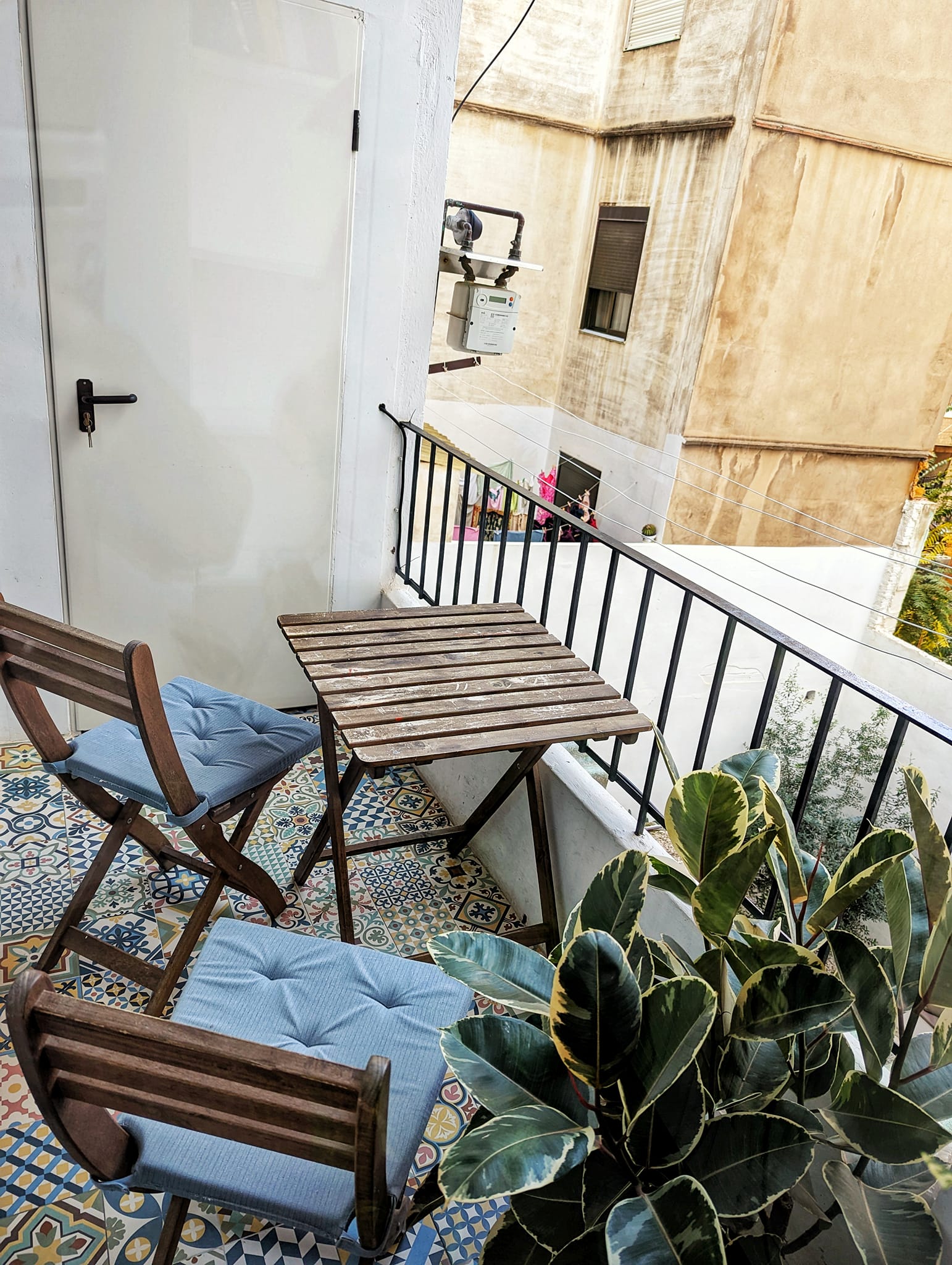
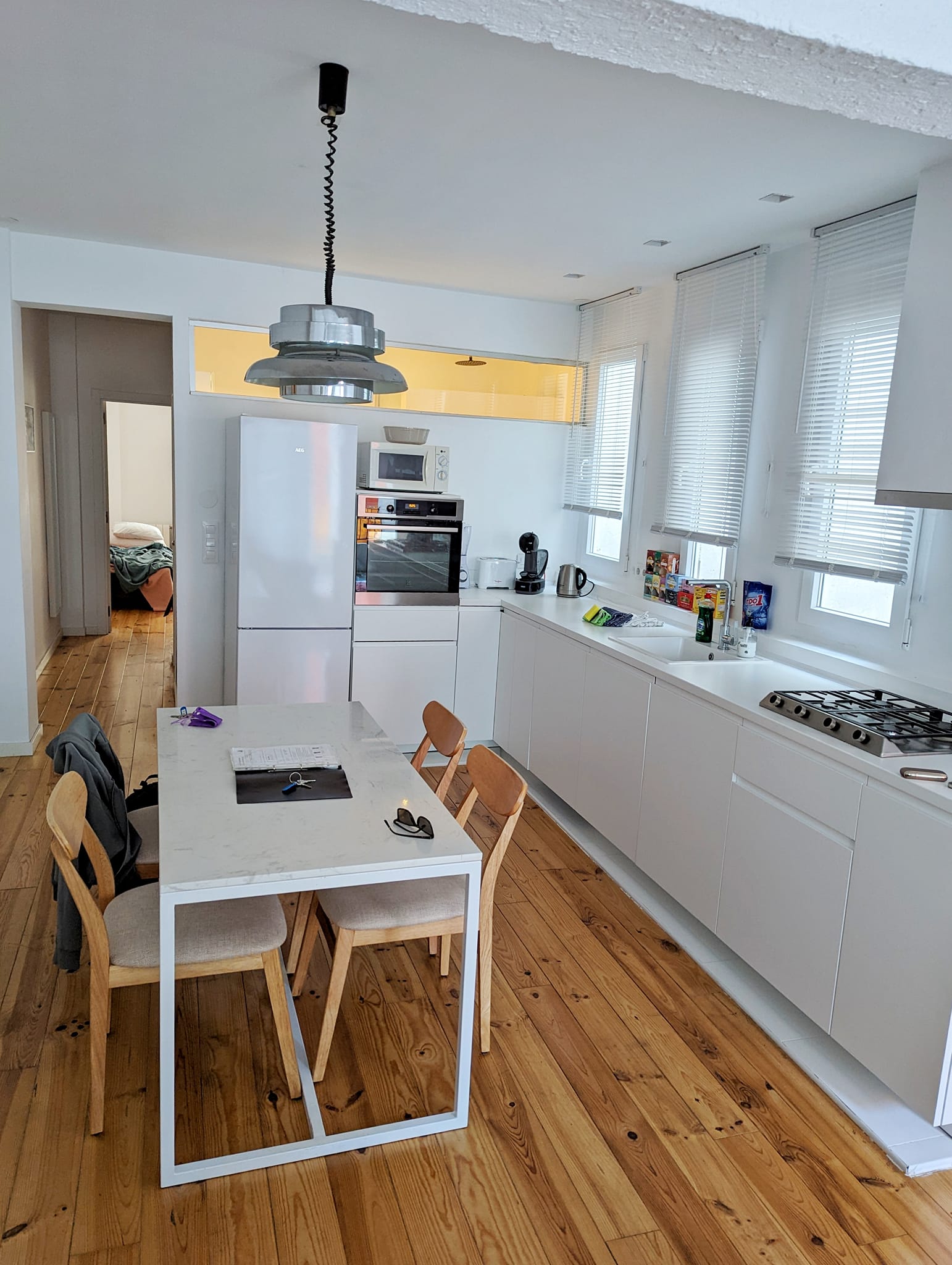
There are beautiful and spacious Airbnb apartments available for really low prices during the off-season! We booked one in the hip area of Ruzafa, a buzzing, young and cool suburb with beautiful old buildings, great bars, restaurants, cafés and shops.
It’s a 20 minute walk to the city center from there but if you don’t want to walk there are several bus stops around and the bus fares are cheap. I recommend walking though because the route will take you through almost all of Ruzafa so you can spot where to eat or shop.
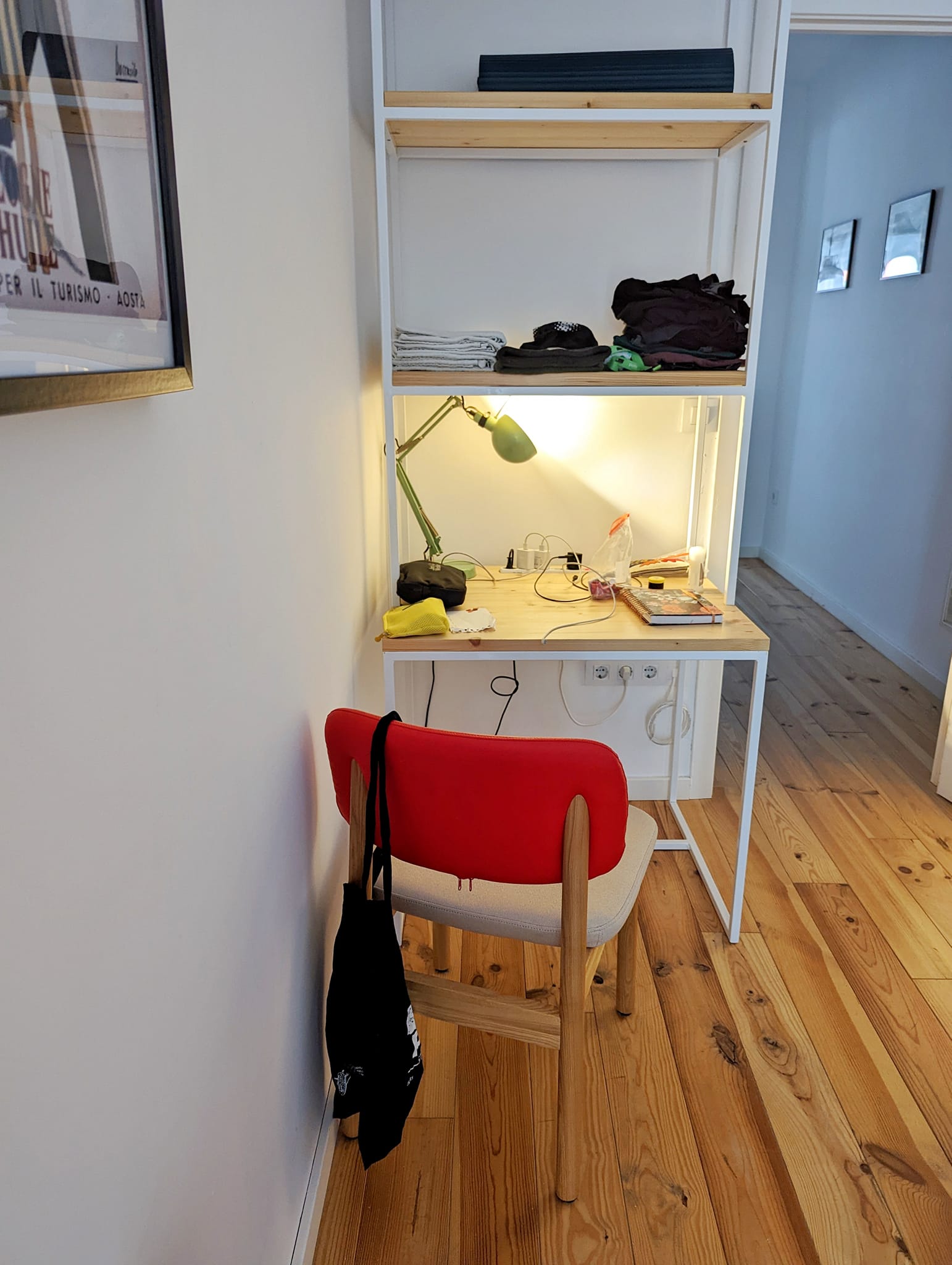
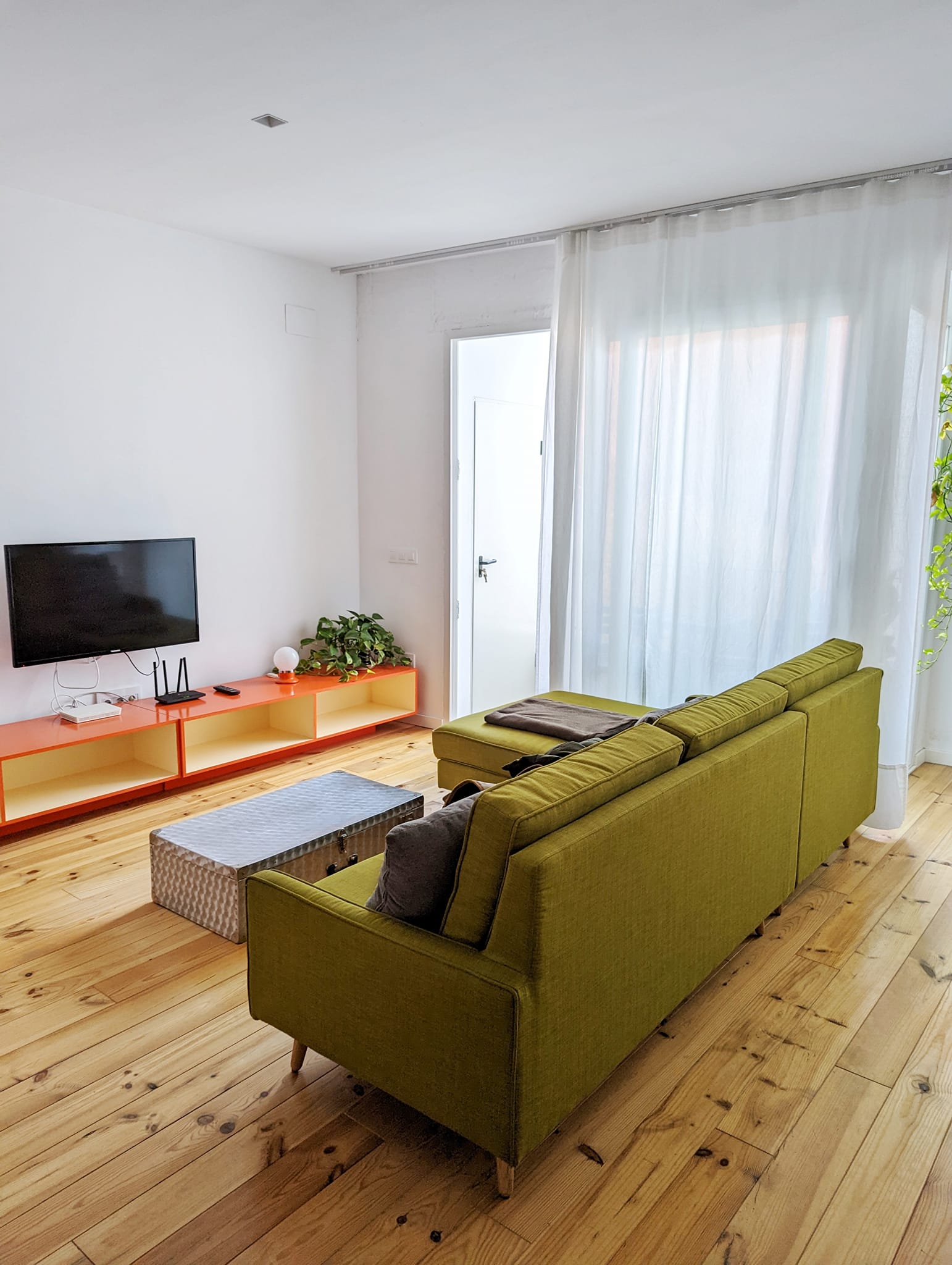
This is the Airbnb we stayed at:
“Nordic Stay Valencia 6 – Ruzafa Area”
The host is very friendly and communicative. The place was clean, spacious and equipped with everything you need. We felt safe and looked after at all times.
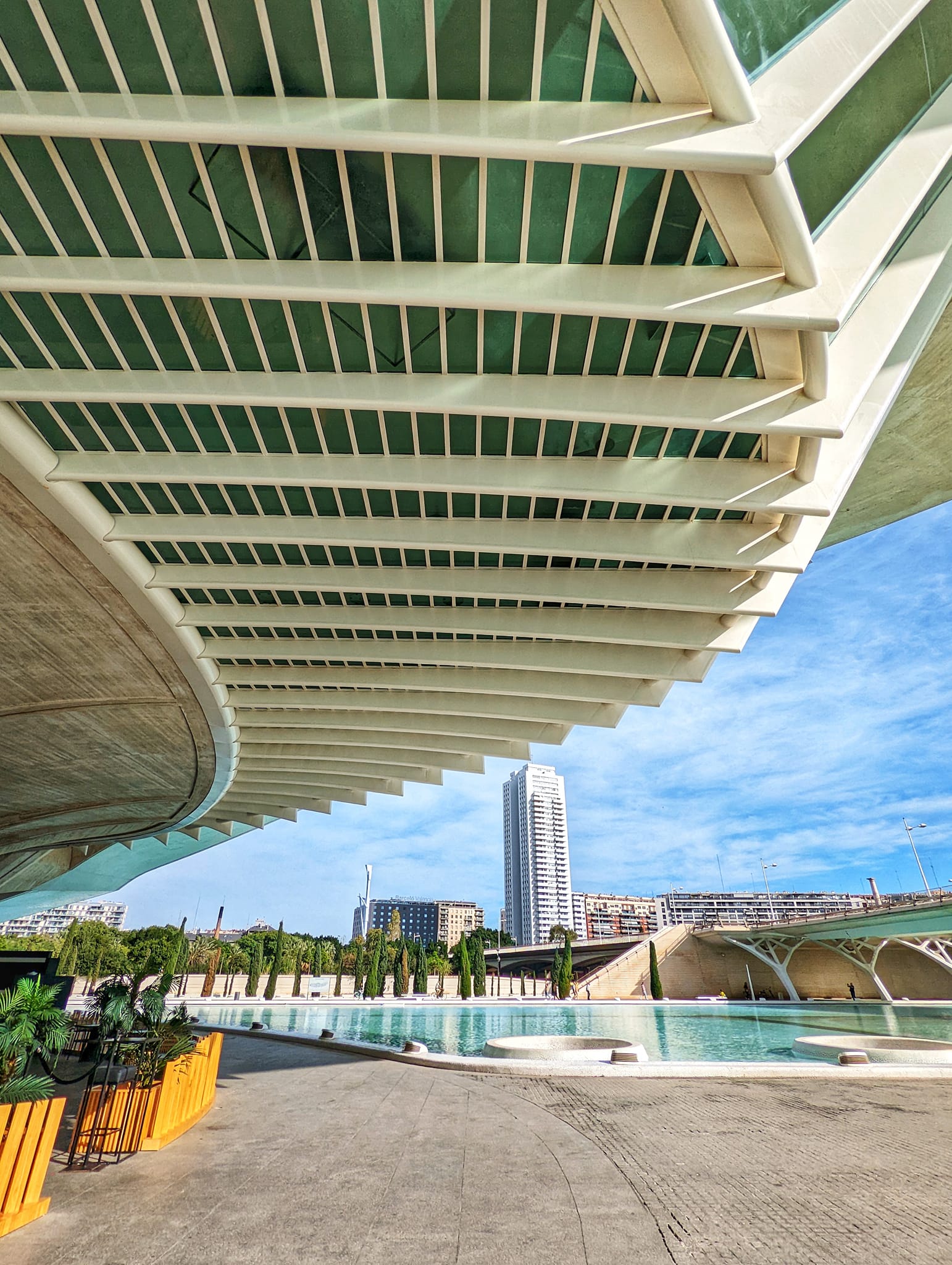
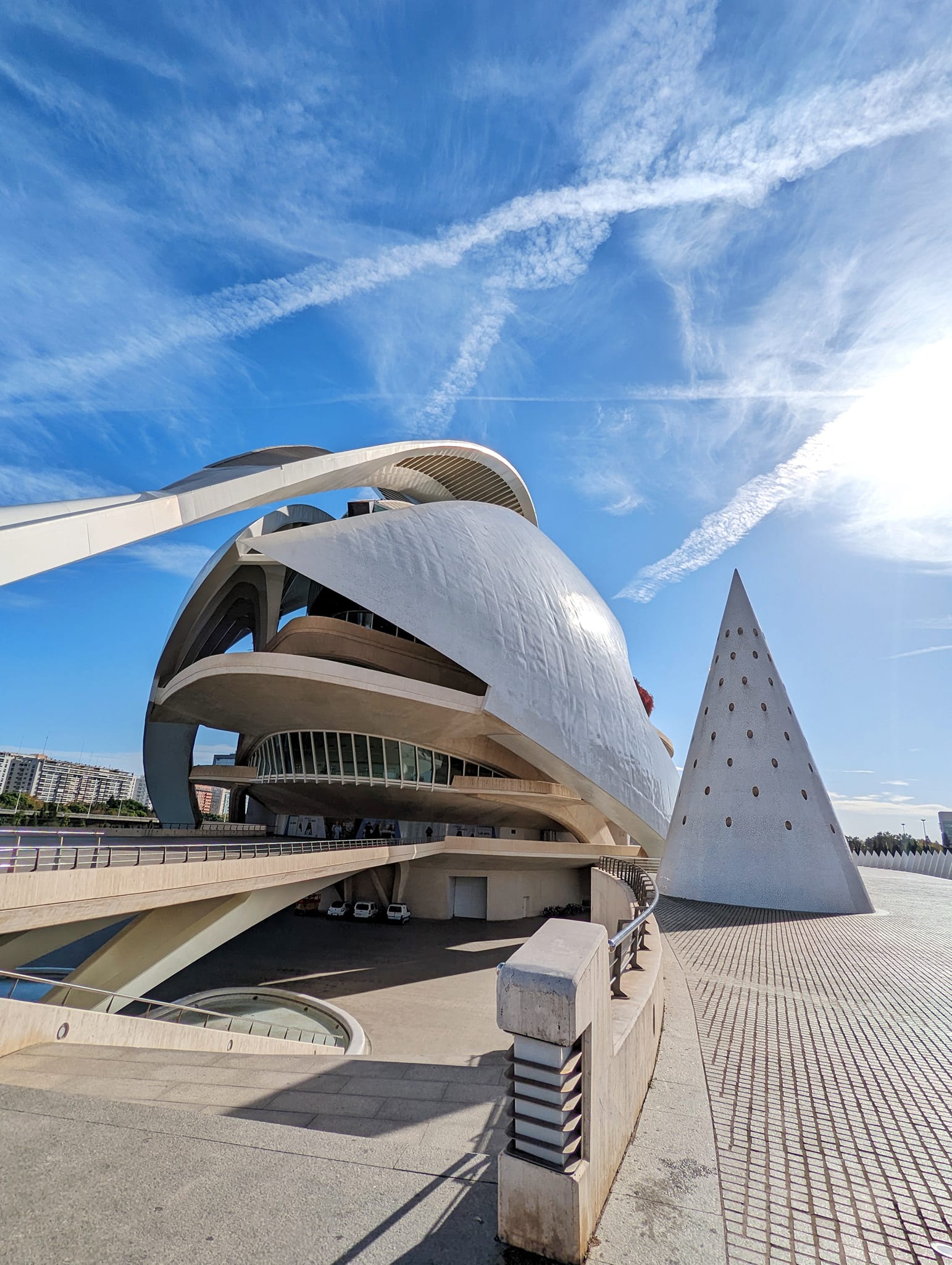
City of Arts and Sciences (Ciutat de les Arts i les Ciències)
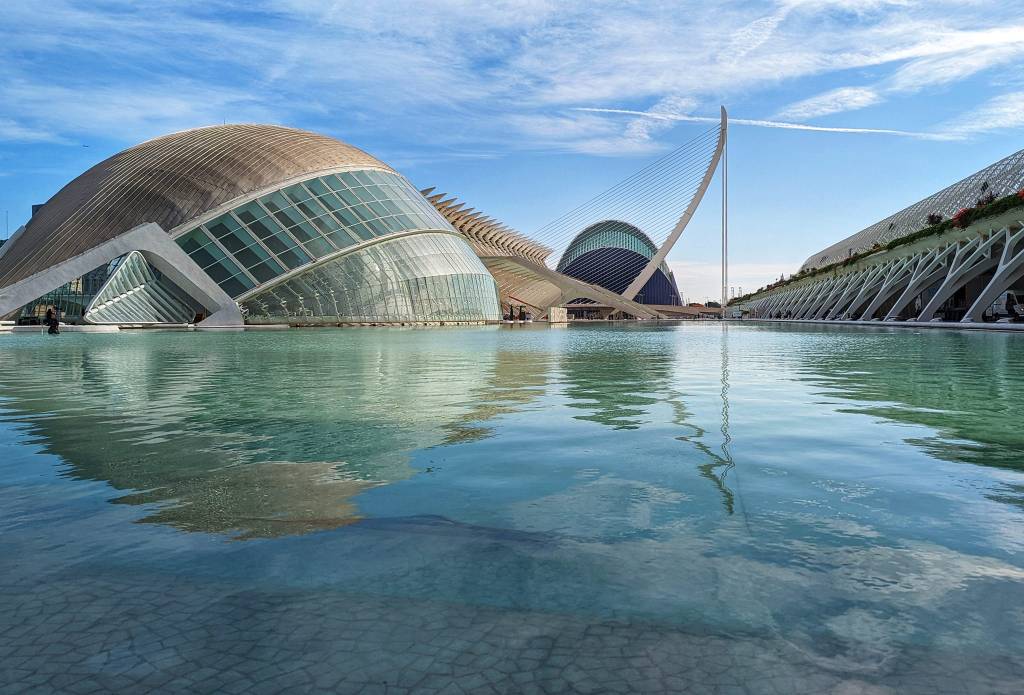
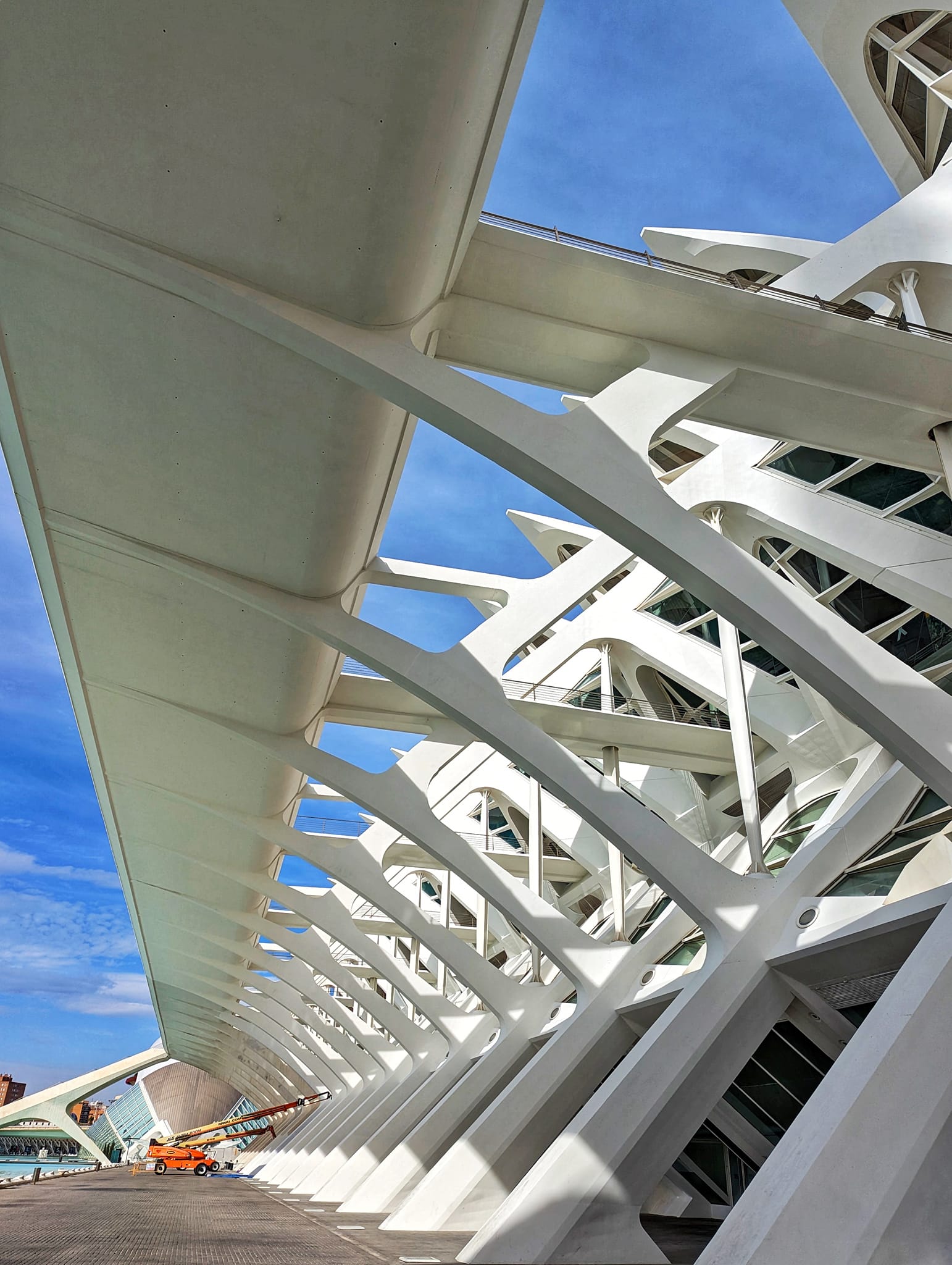
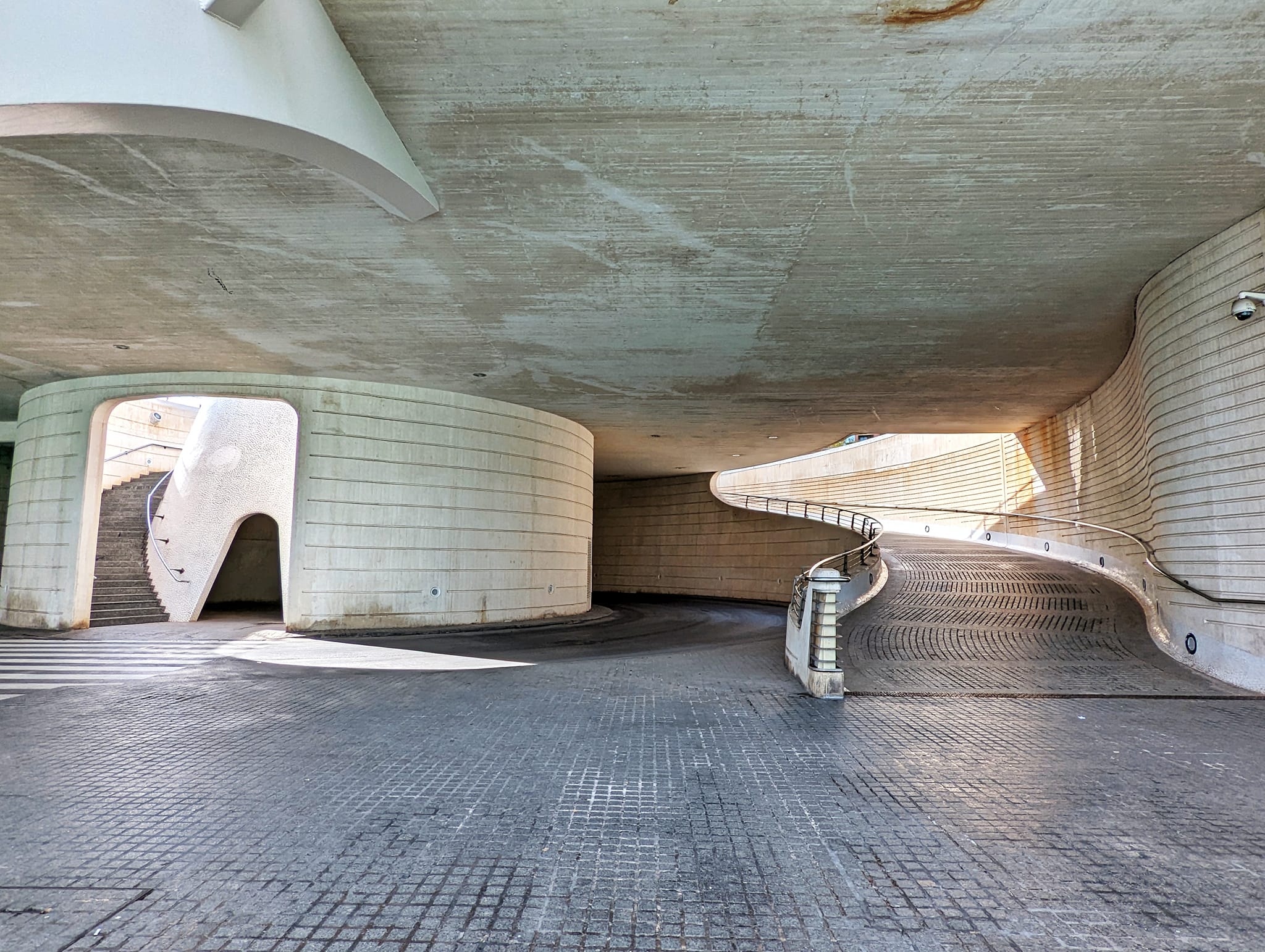
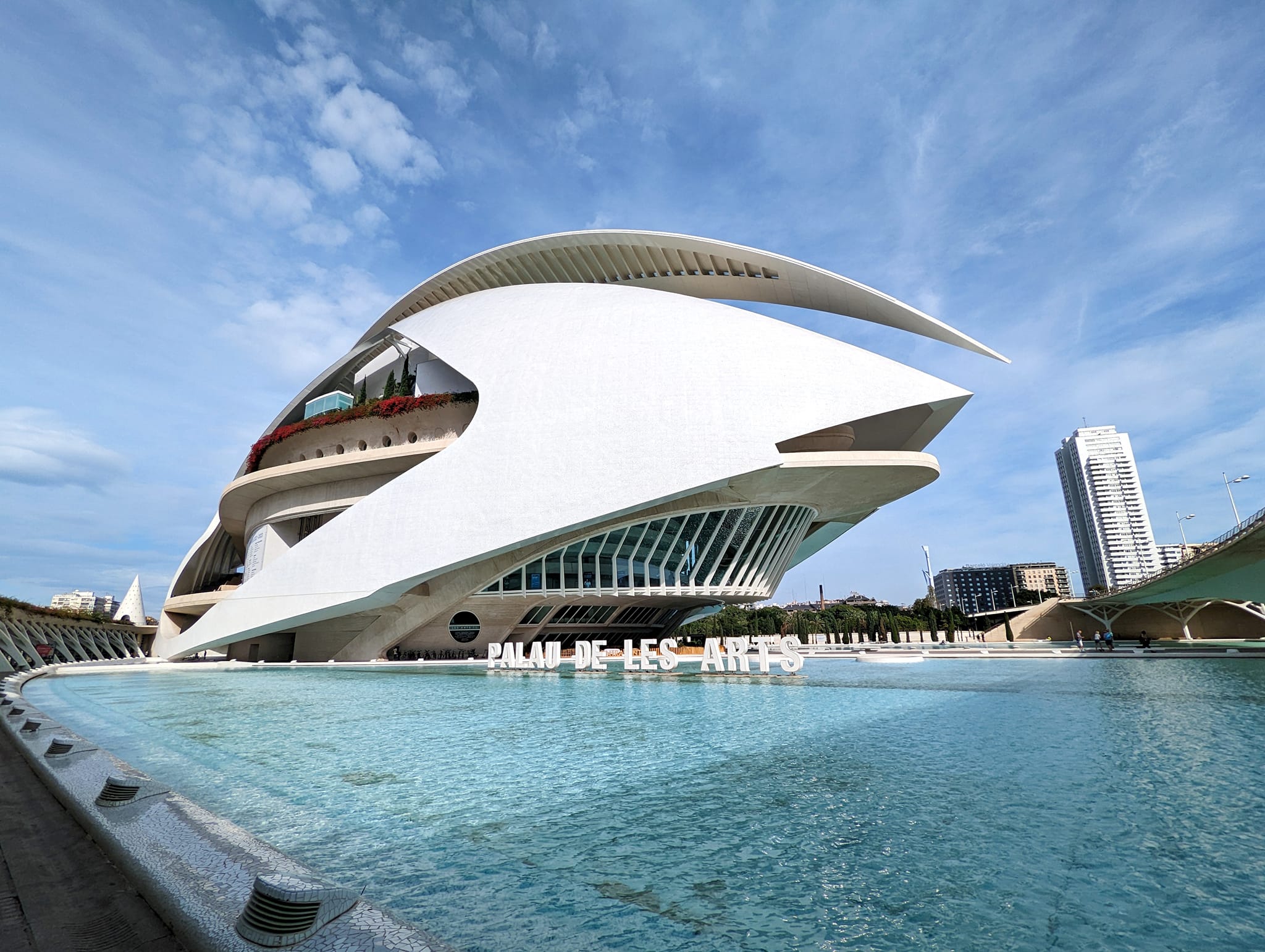
First things first! The Ciutat de les Arts i les Ciències (City of Arts and Sciences) was one of the main reasons I wanted to visit – and let me tell you: It is amazing! What an incredible place for architecture lovers! These buildings are fantastic photo motives – we spent almost three hours roaming the area and taking pictures! So I definitely recommend planning at least a whole morning or afternoon for visiting – even longer of course if you want to go inside the buildings (which isn’t always possible, for example the opera house “Palau de les Arts” is not open to walk in at all times). Some very cool museums that I put on my list for next time are the L’Oceanogràfic (Europe’s biggest aquarium), Hemisfèric (a huge 3D cinema that shows documentaries) and the Museum of Natural Sciences, whihc are all located in this area and all look mesmerising from the outside.
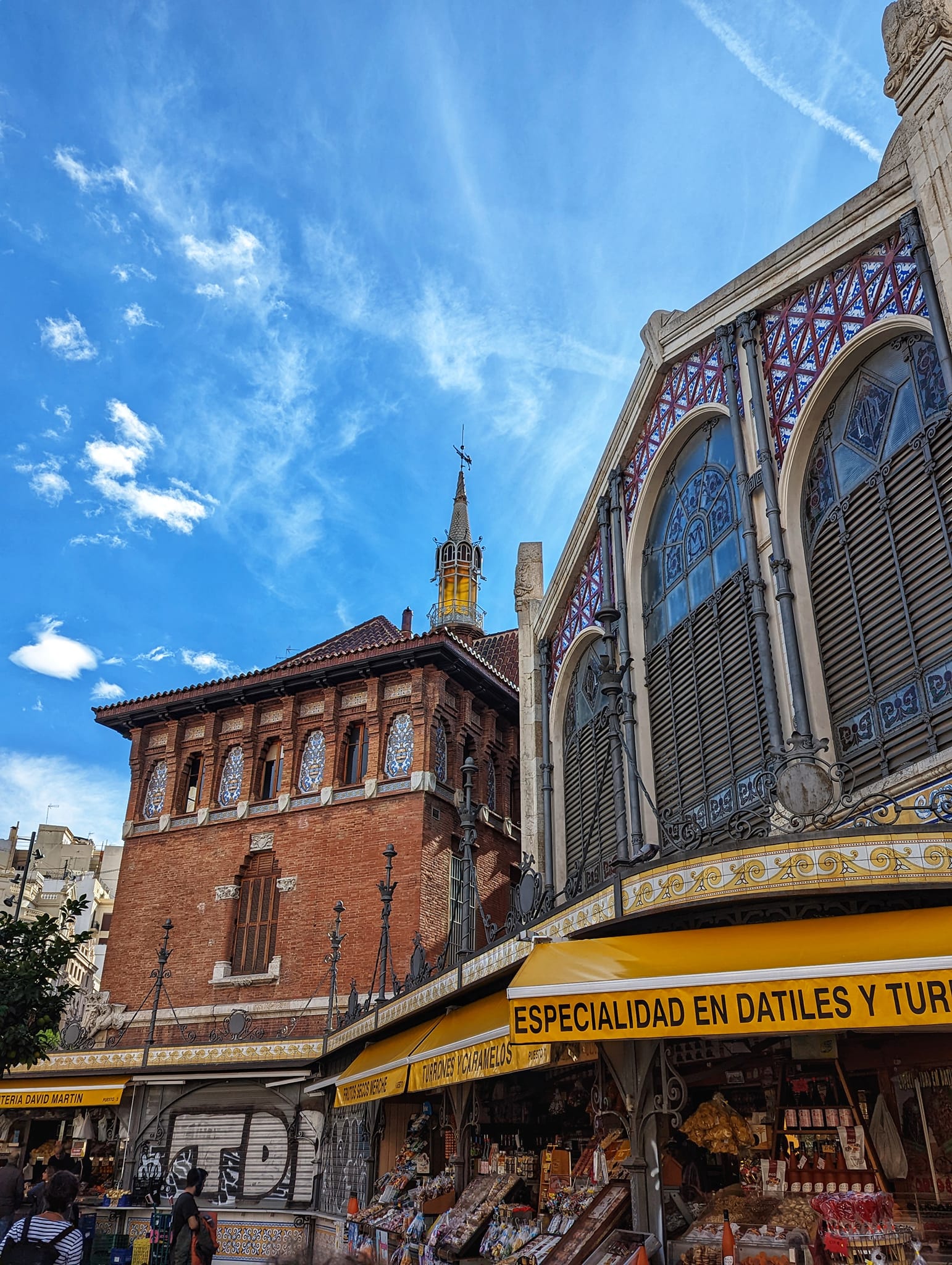
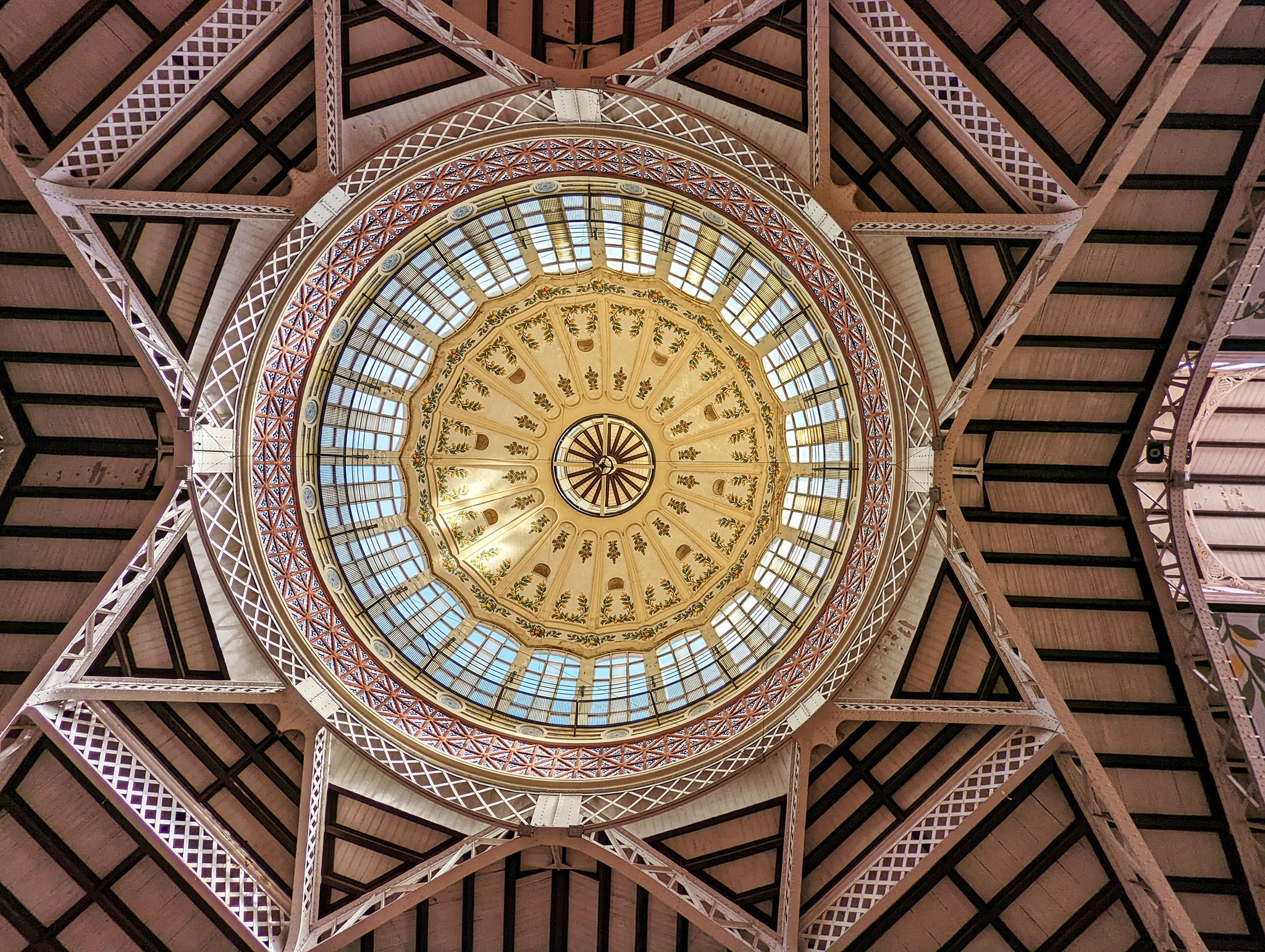
Central Market (Mercado Central)
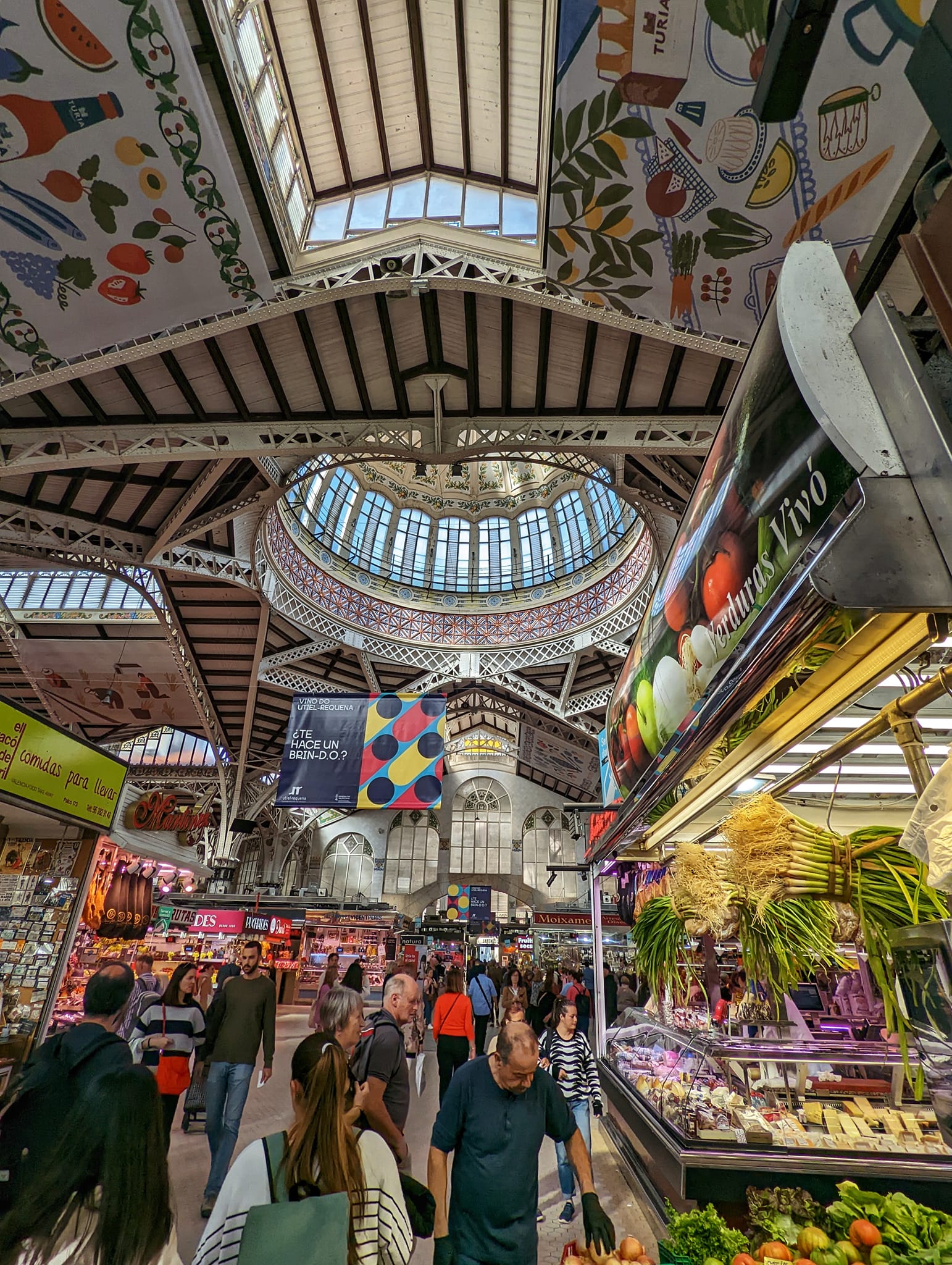
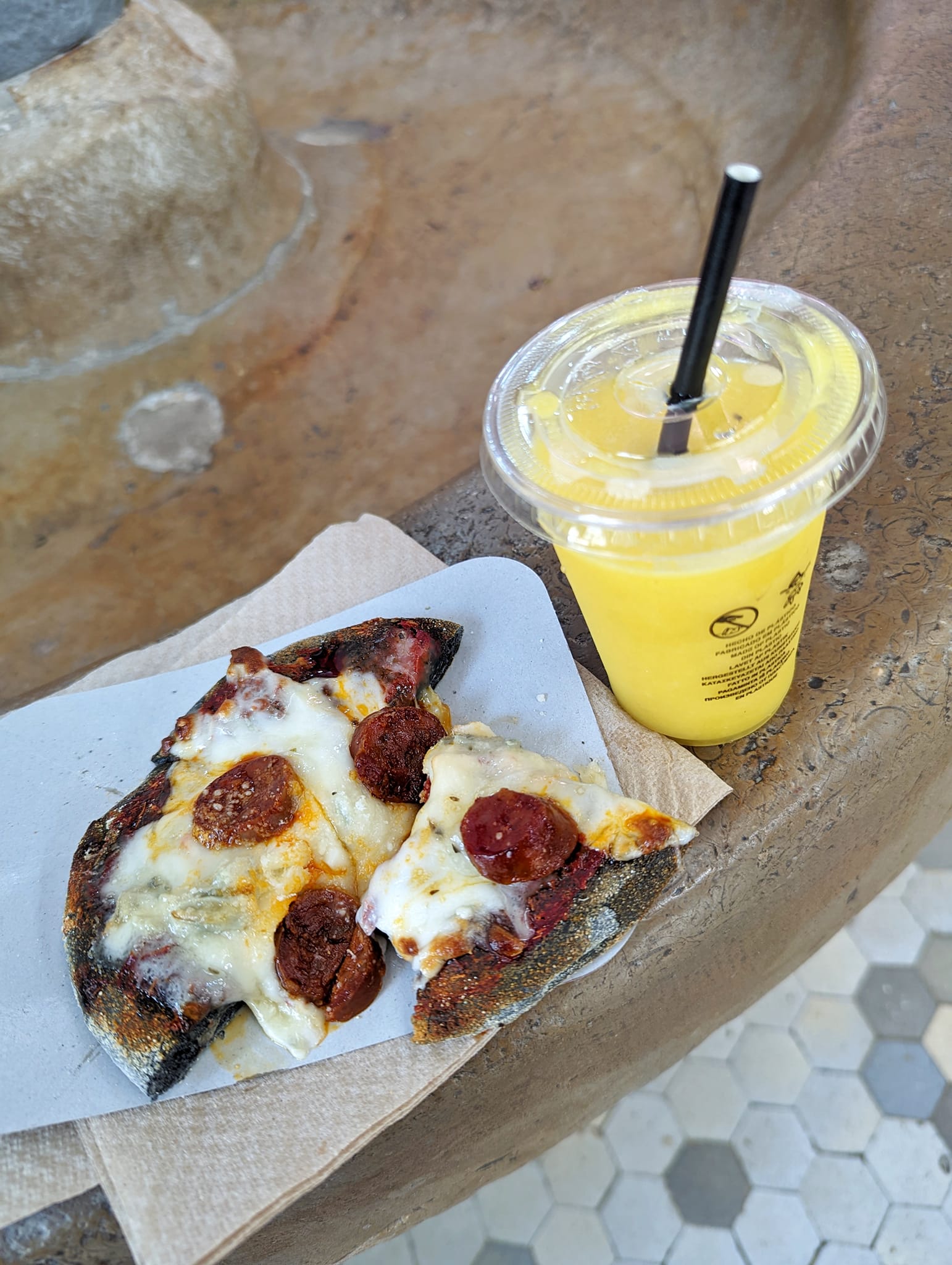
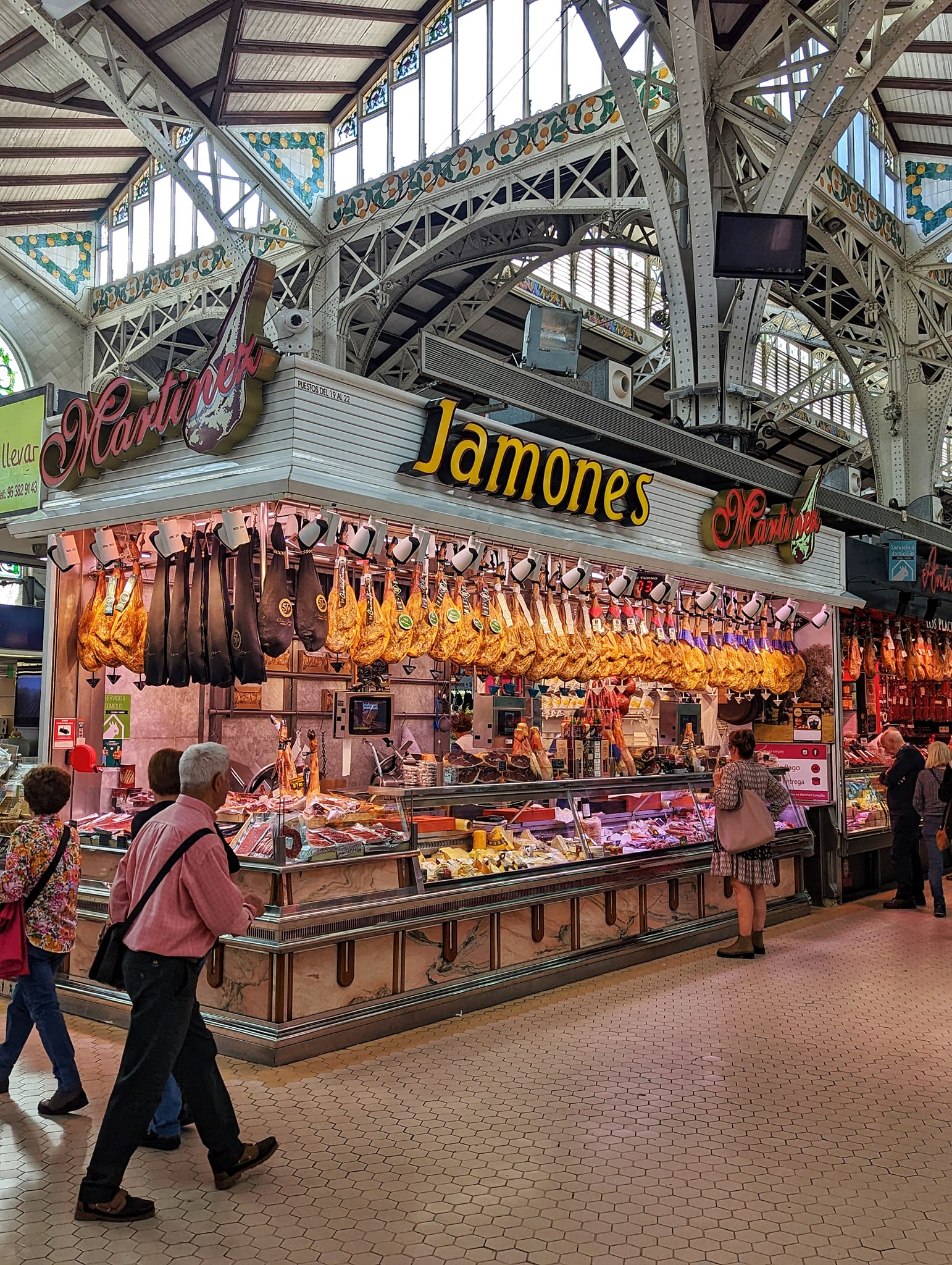
A general advice for visiting European cities: Always go and look for the market! Mercado Central in Valencia is a heaven for foodies and offers a potpourri of everything Spanish cuisine has to offer – above all fresh produce, fish, seafood and charcuterie. There is so much good food there, you might have to come back to this place several times because you can’t try it all in one visit. My absolute favourite was a charcoal flatbread topped with chorizo and cheese, but I can also highly recommend the bocadillos (sandwiches/baguettes) with Spanish ham, fresh fruit juices, empanadas, churros and pastries.
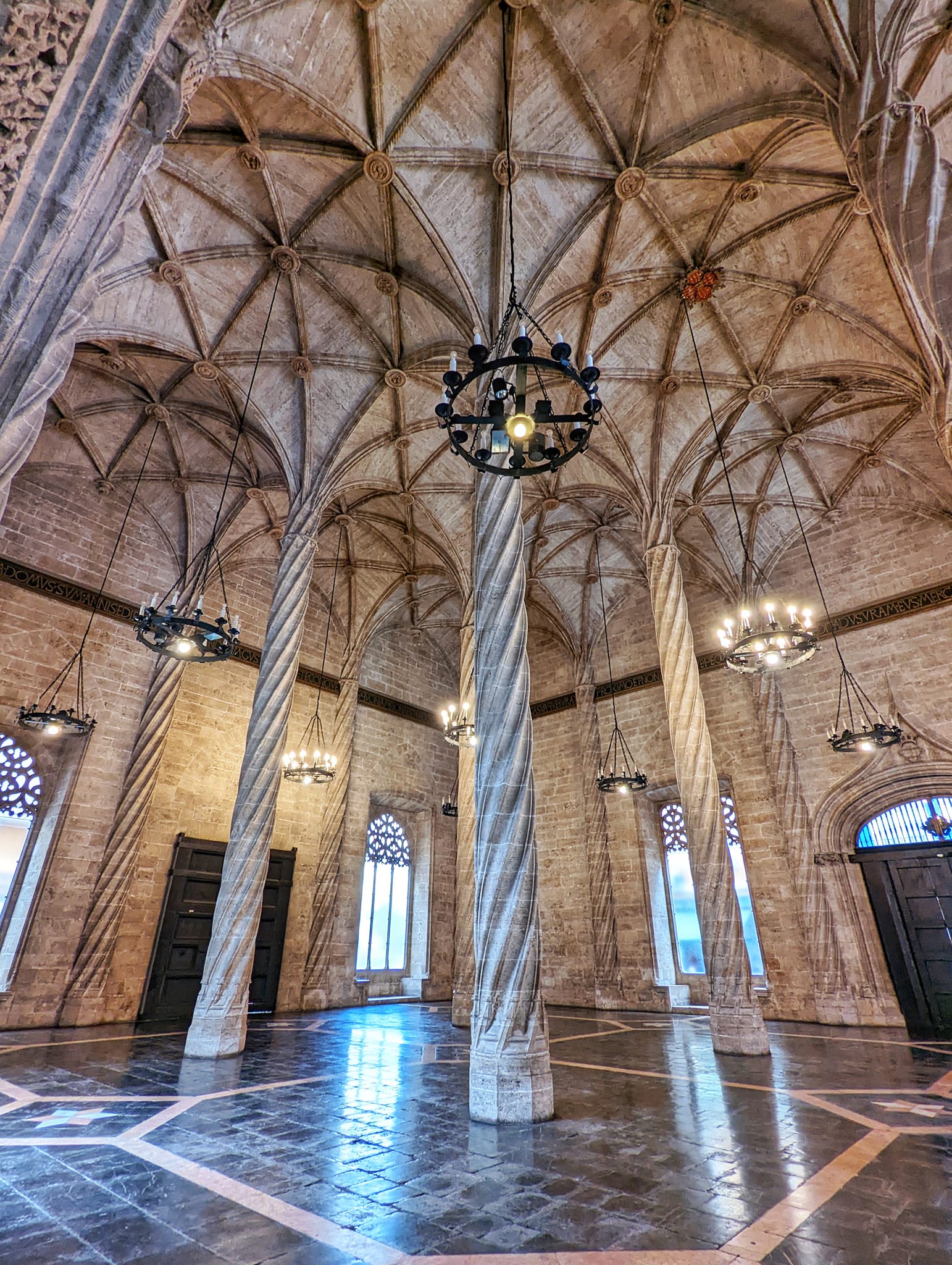
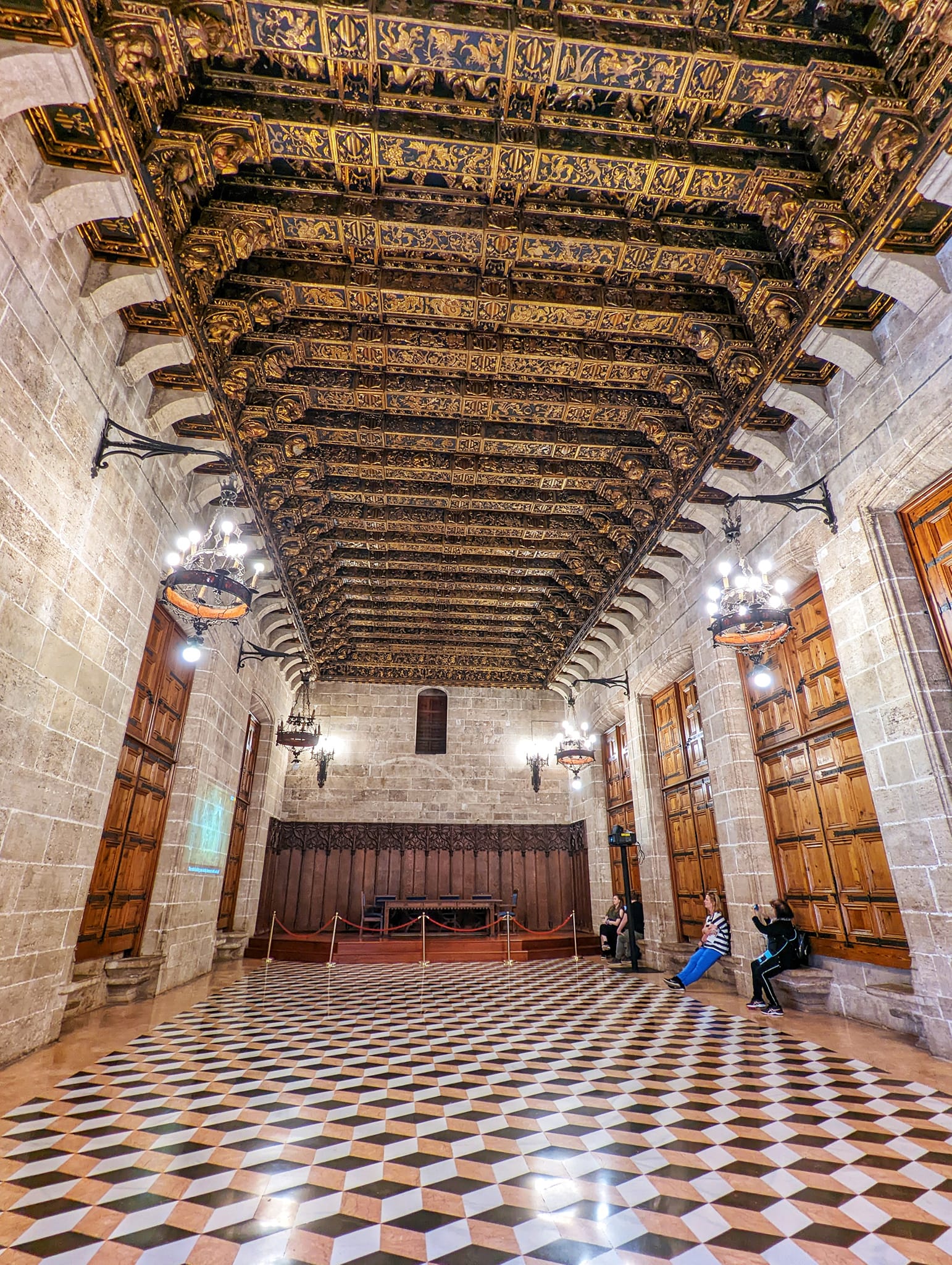
La Lonja de la Seda (The Silk Exchange)
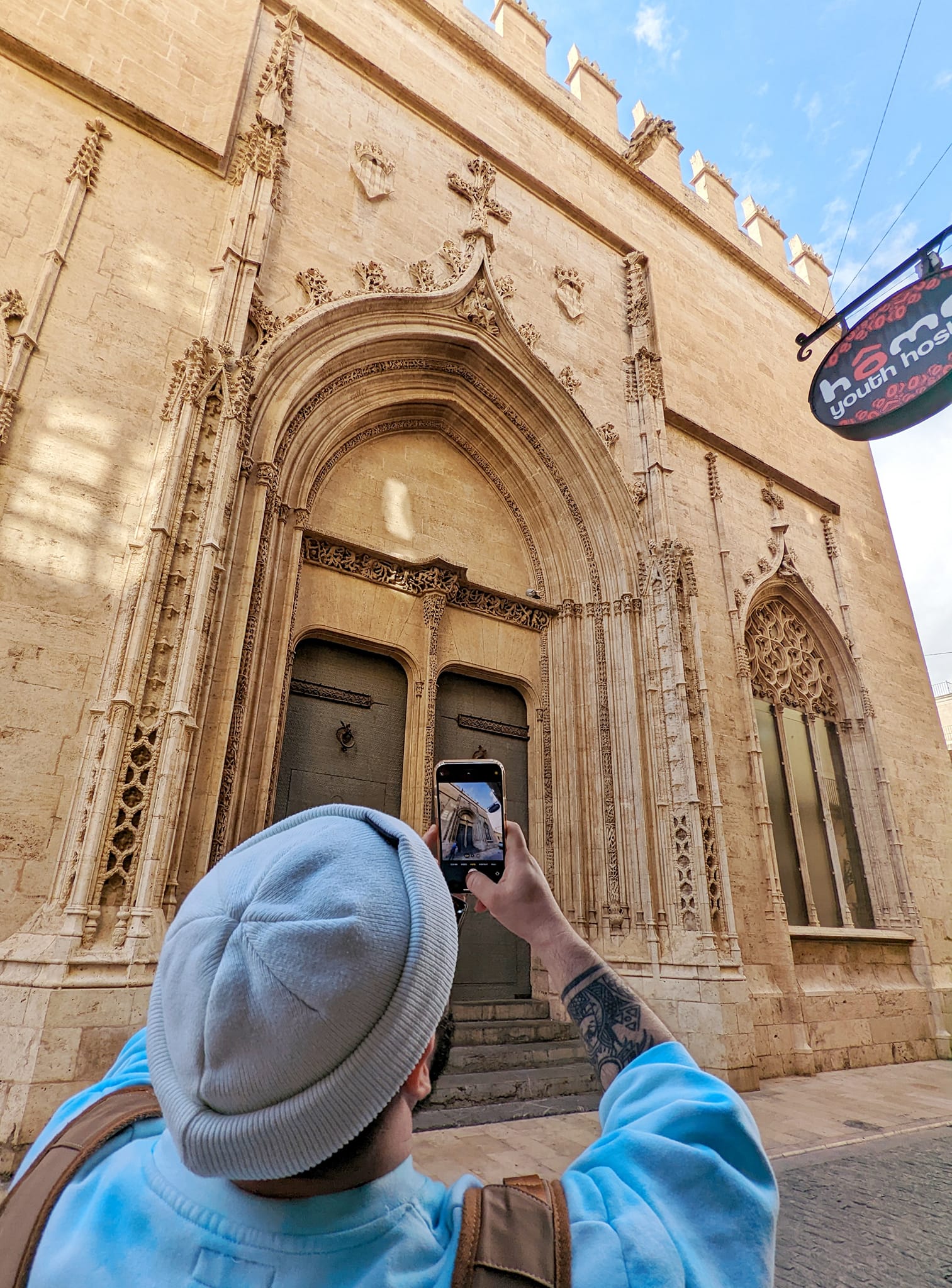
Free entry to a UNESCO World Heritage Site? Yes please! This group of buildings was built between 1482 and 1533 and used to be a centre of commerce where merchants traded silk (hence the name). The well-preserved Gothic architecture with its intricate ornaments is stunning. It still shows the power and wealth of the city in the 15th and 16th century. UNESCO calls it “a masterpiece of European Gothic art, a true temple of commerce based on a unique architectonic and symbolic programme”.
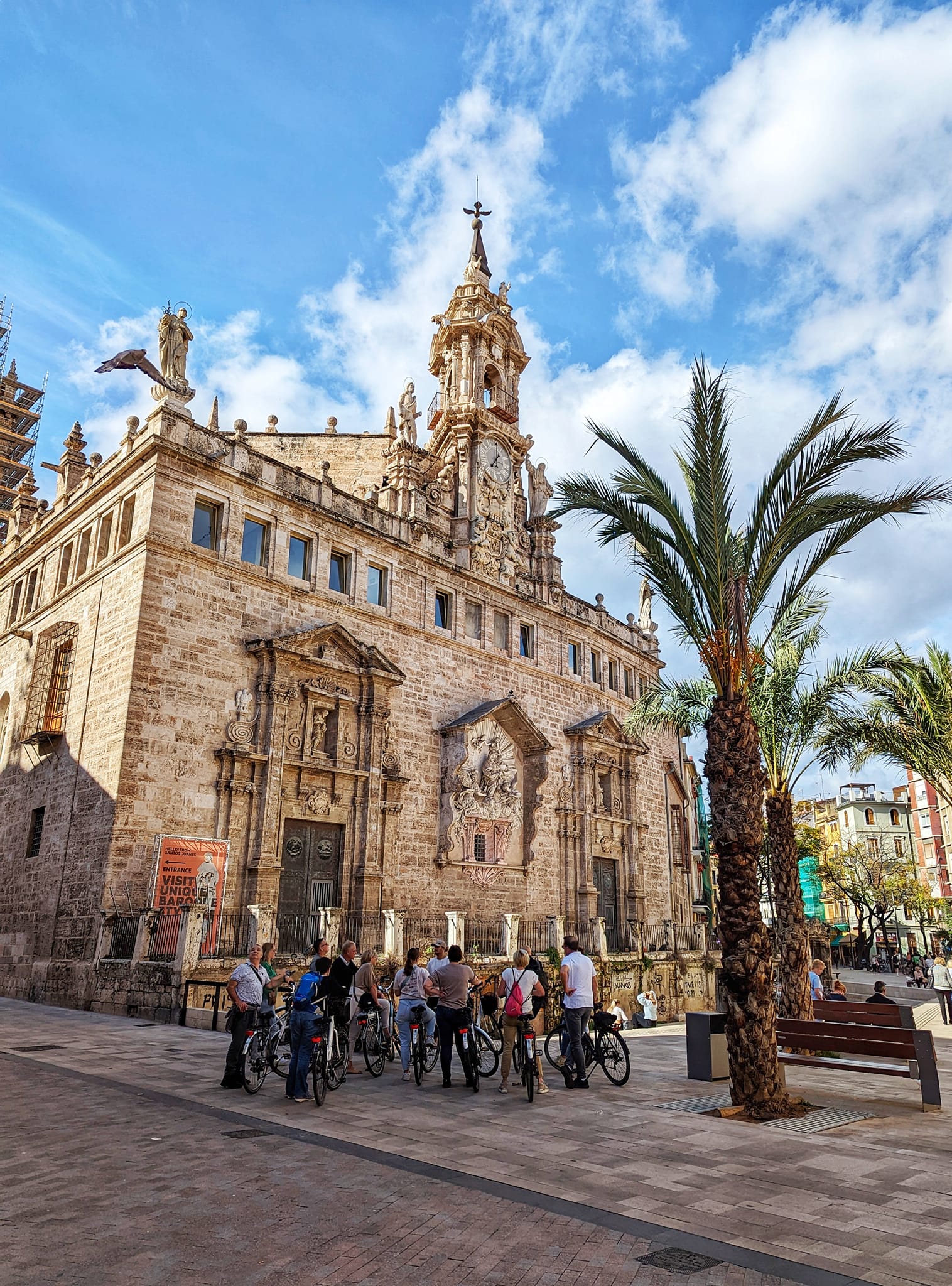
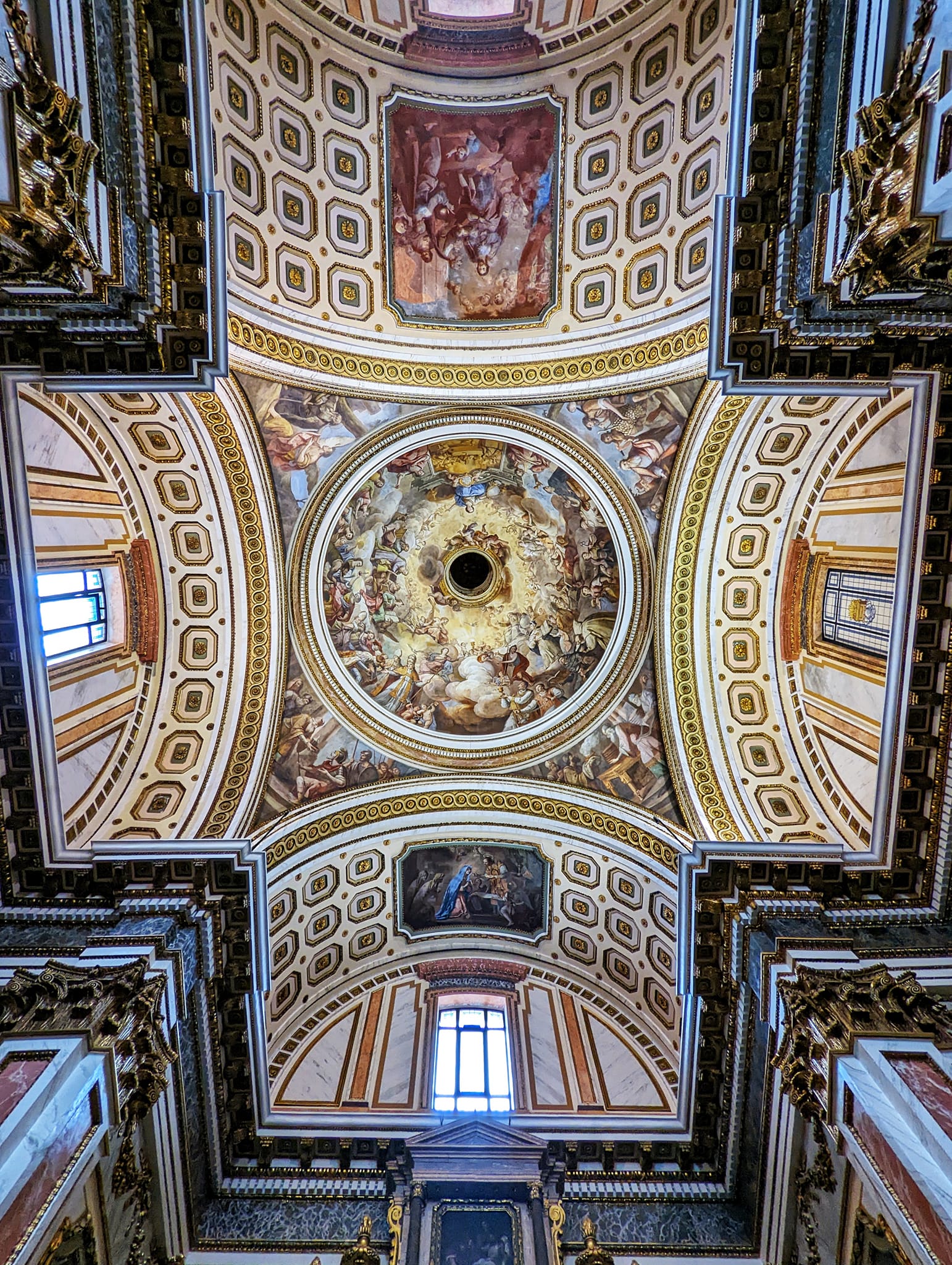
Sant Joan del Mercat Church
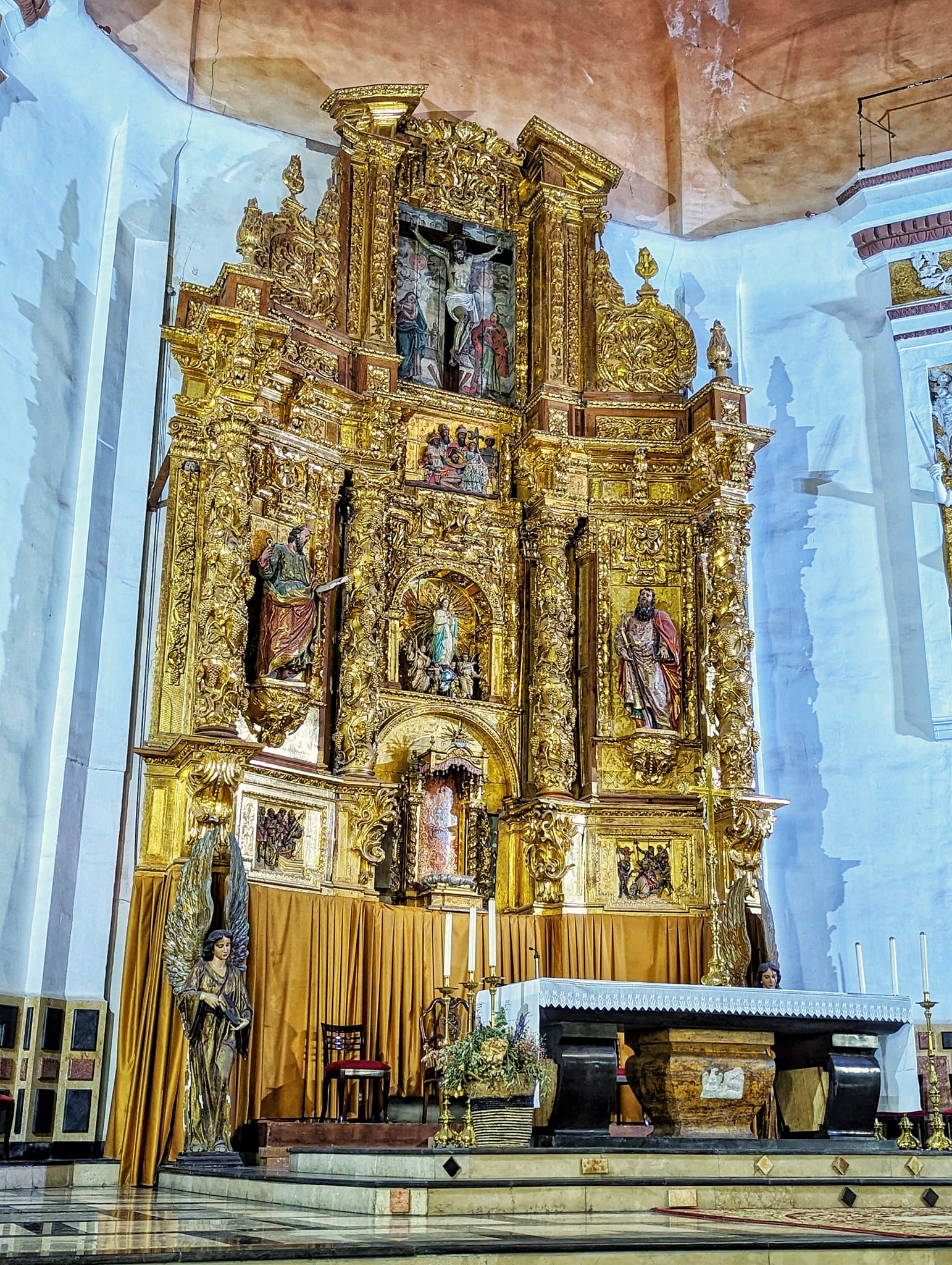
Sant Joan del Mercat was built in 1240 on the remains of a former mosque and rebuilt after several fires in the 14th and 16th centuries. The regular entrance fee is about 7 € but also includes the entrance fee for its “partner church” San Nicolas (see paragraph below). An audio guide is included and gives you lots of interesting insights into the church’s history and architectural process up to the Baroque style it displays today.
San Nicolás de Bari and and San Pedro Mártir church
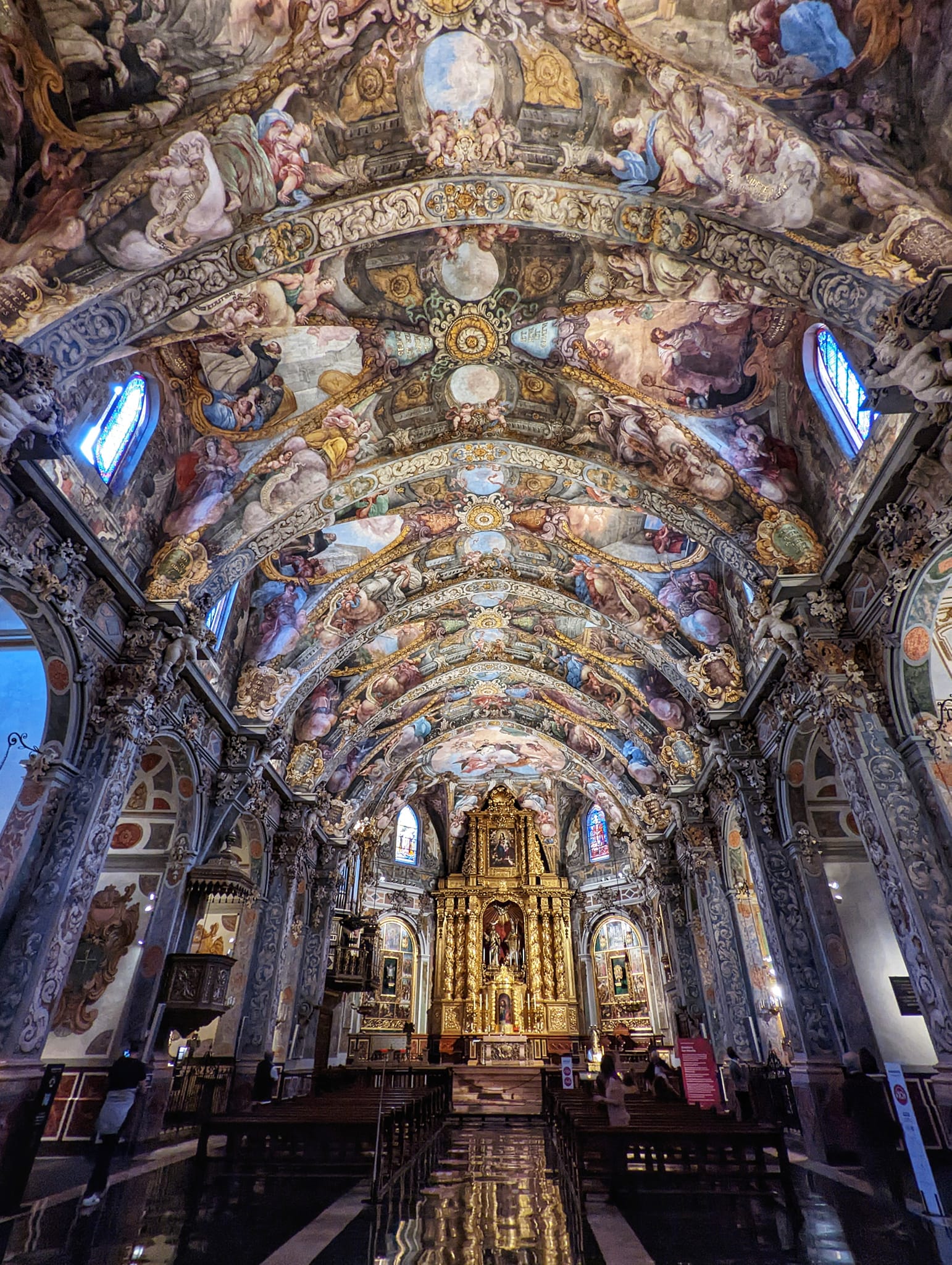
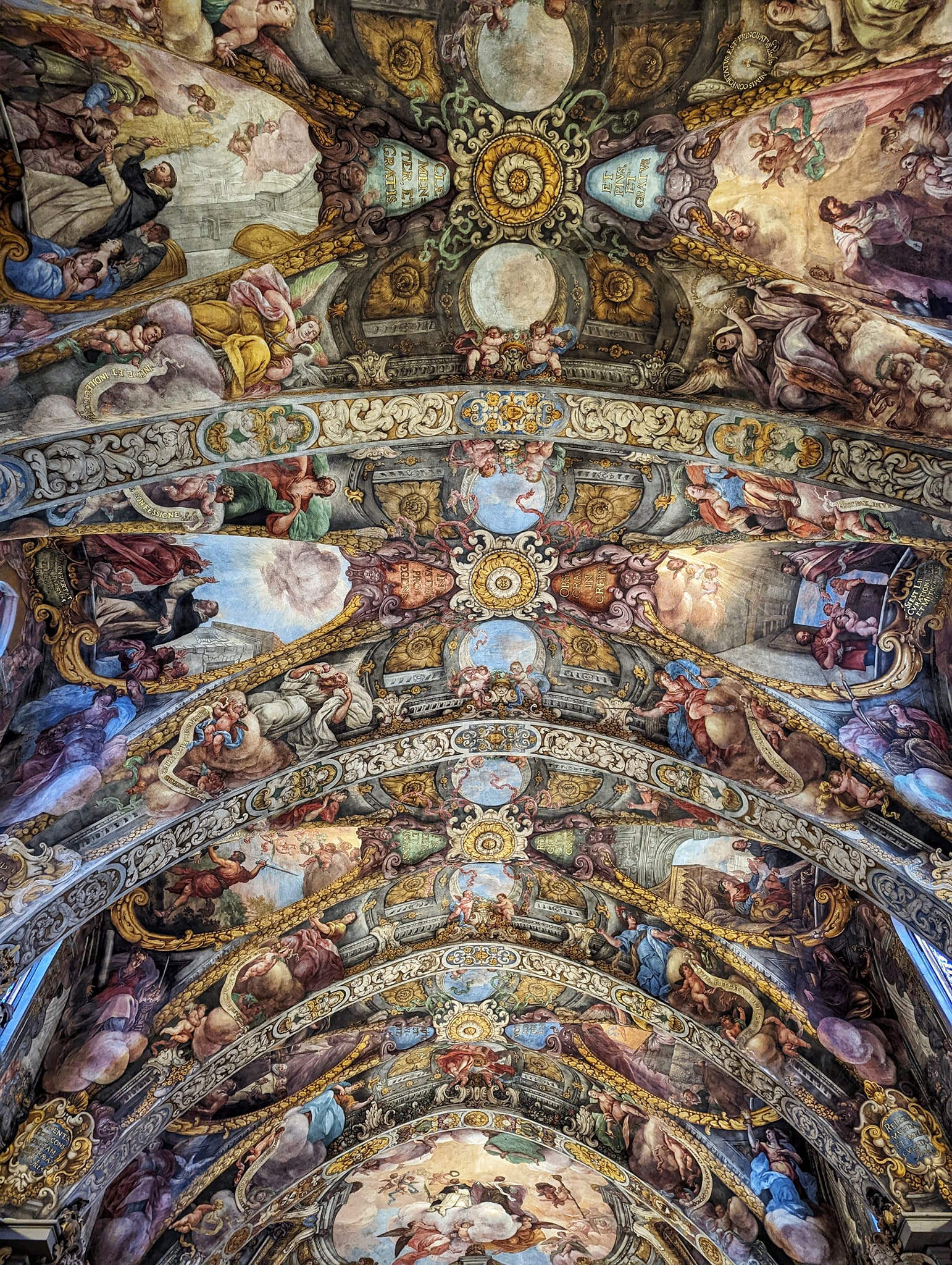
San Nicolás de Bari and and San Pedro Mártir is rather inconspicuous on the outside but a real stunner on the inside! We visited its “partner church” Sant Joan beforehand (see paragraph above), which was already beautiful but when we entered San Nicolás the interior absolutely blew us away. The craftsmanship of all the intricate decorations is insane! You pay about 7 € entrance fee as a combo price for both churches and get an audio guide that leads you through all the different parts of the church by pointing out details and telling stories from the past. If you only have time to visit one of the two churches I’d definitely say go for this one (sorry Sant Joan). I had never seen anything like this before even though I’ve visited many a church on my trips – I’m still stunned to this day when I look at the photos.


El Carmen
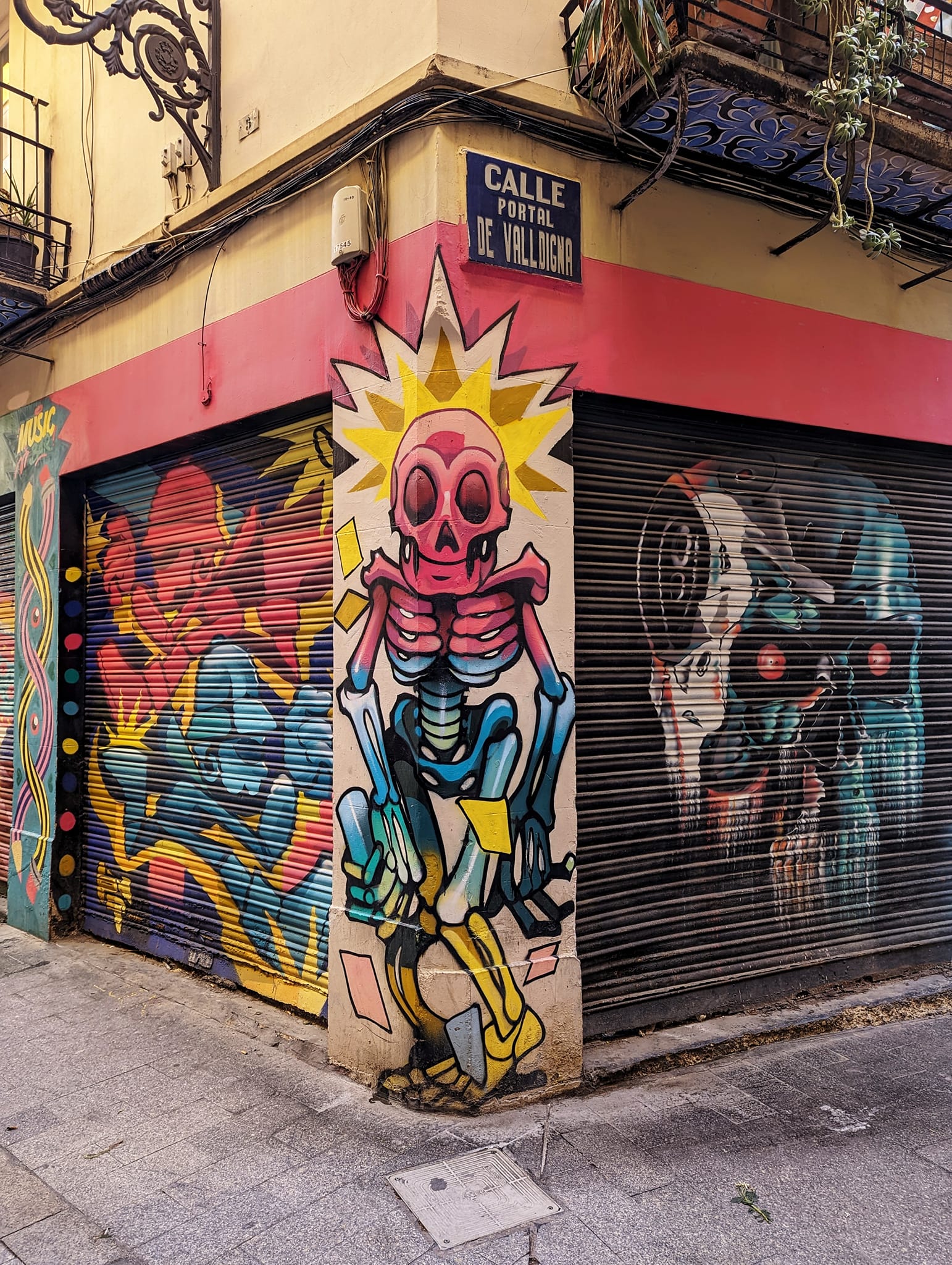
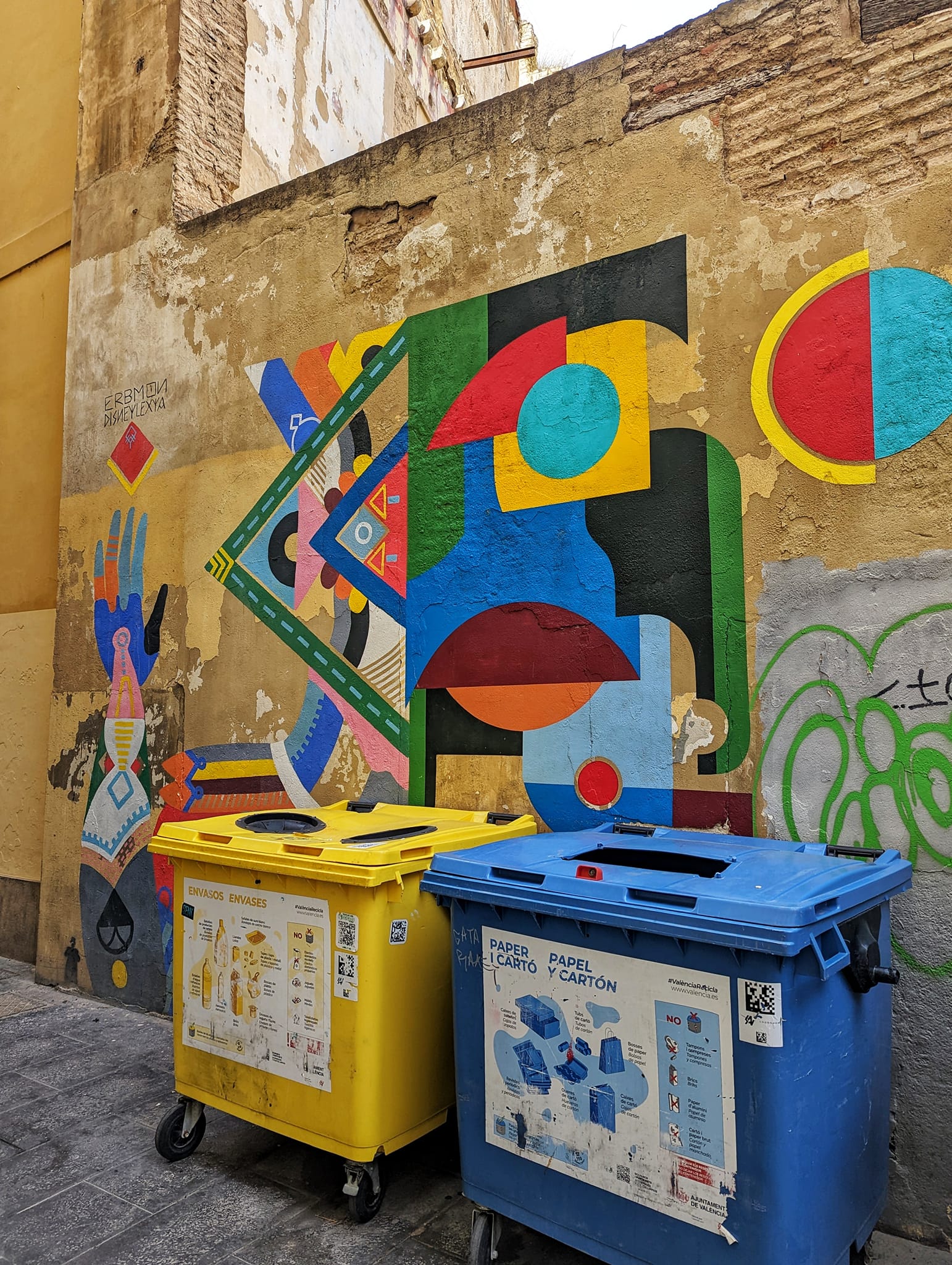
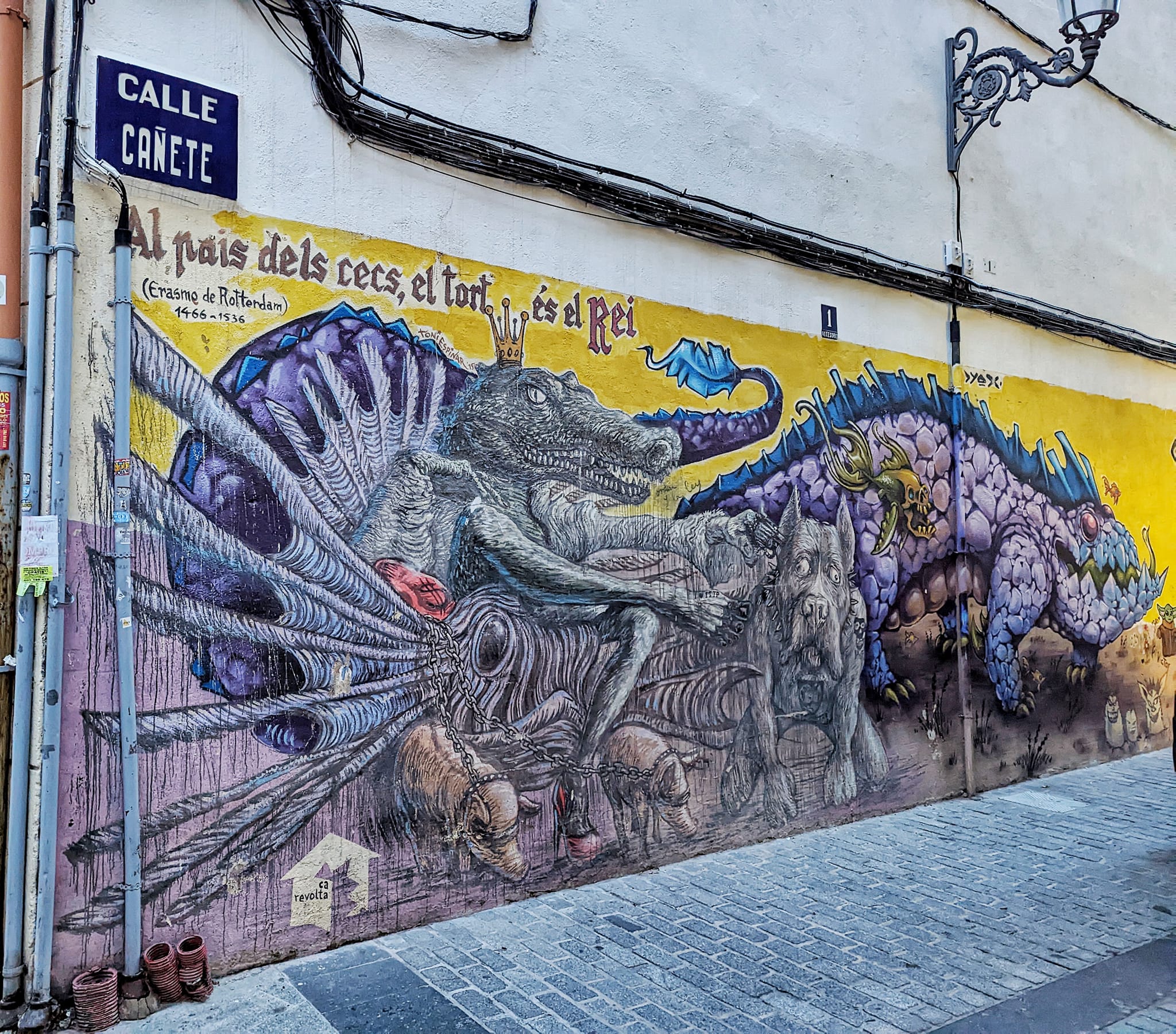
El Carmen is THE place to be in Valencia to discover the city’s street art scene. You can find street art in other parts of the city too of course, but in El Carmen it’s condensed into one hip and lively area with cafés, bars and independent shops (similar to the suburb Rufaza but smack bang in the historic city center). I love street art so I spent a whole afternoon there roaming the lanes and spotting local heroes as well as international artists. Some artworks are hidden in yards and behind corners so don’t be afraid to explore.
Puerto de Valencia (Port of Valencia)
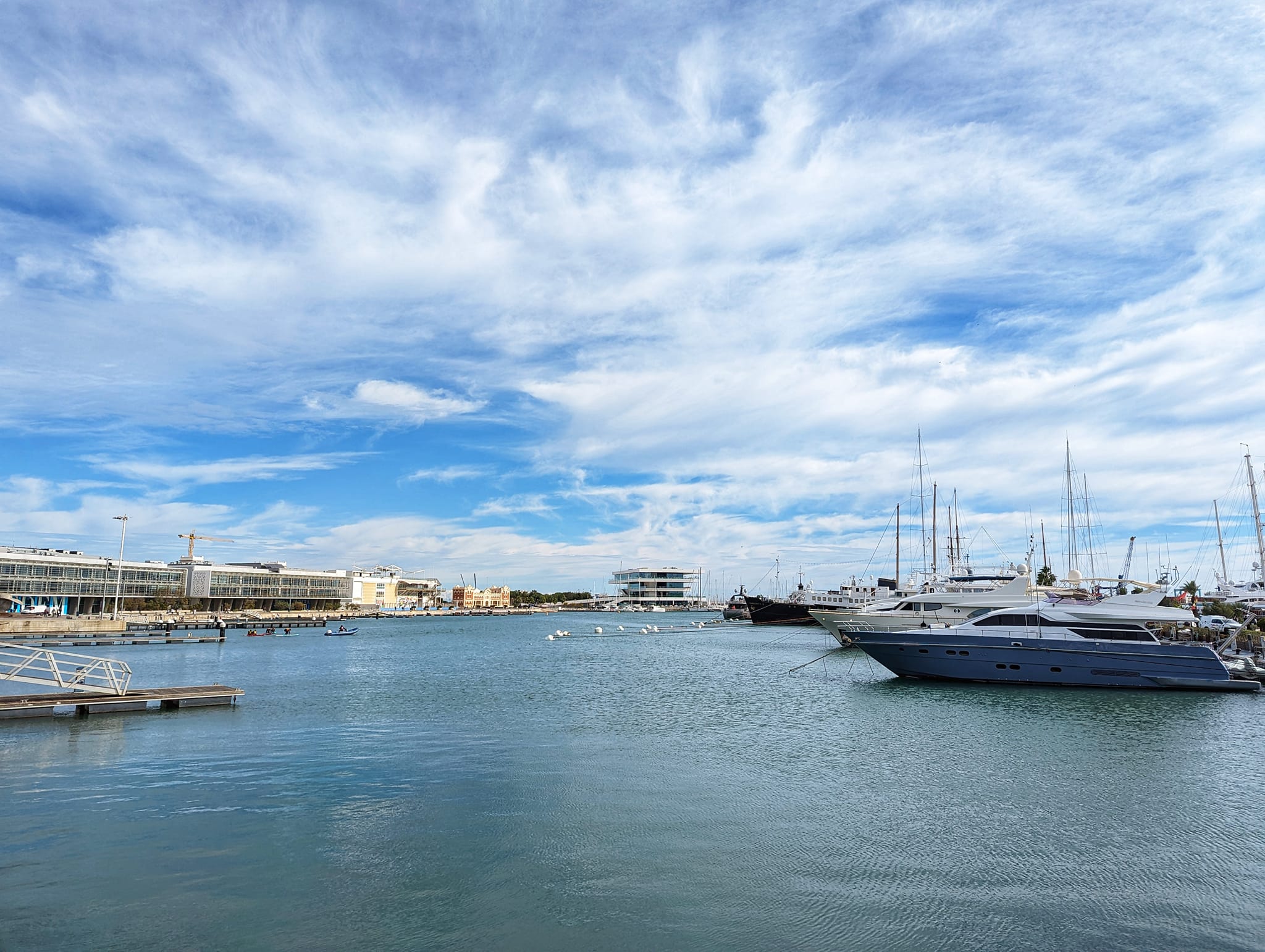
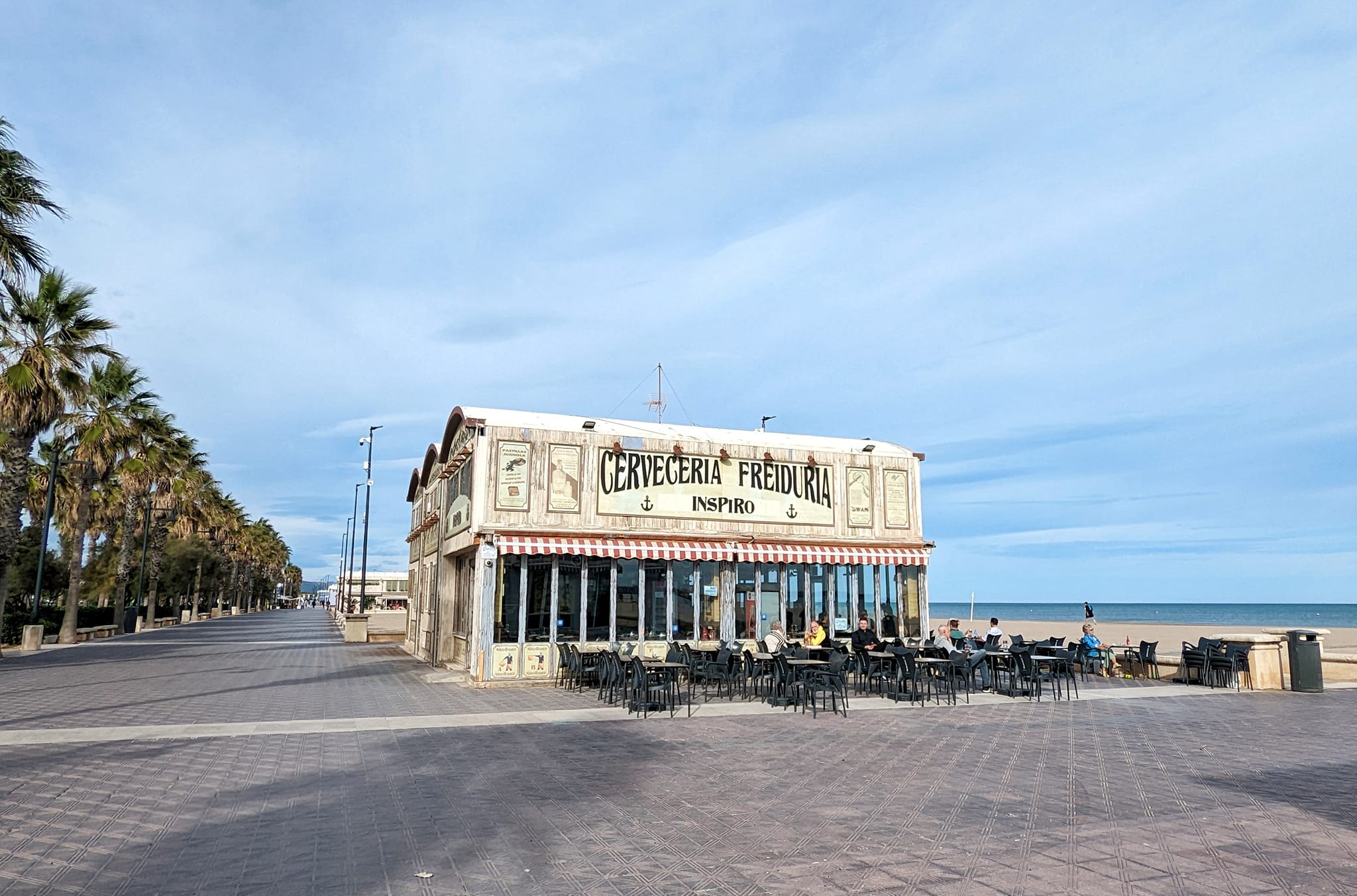
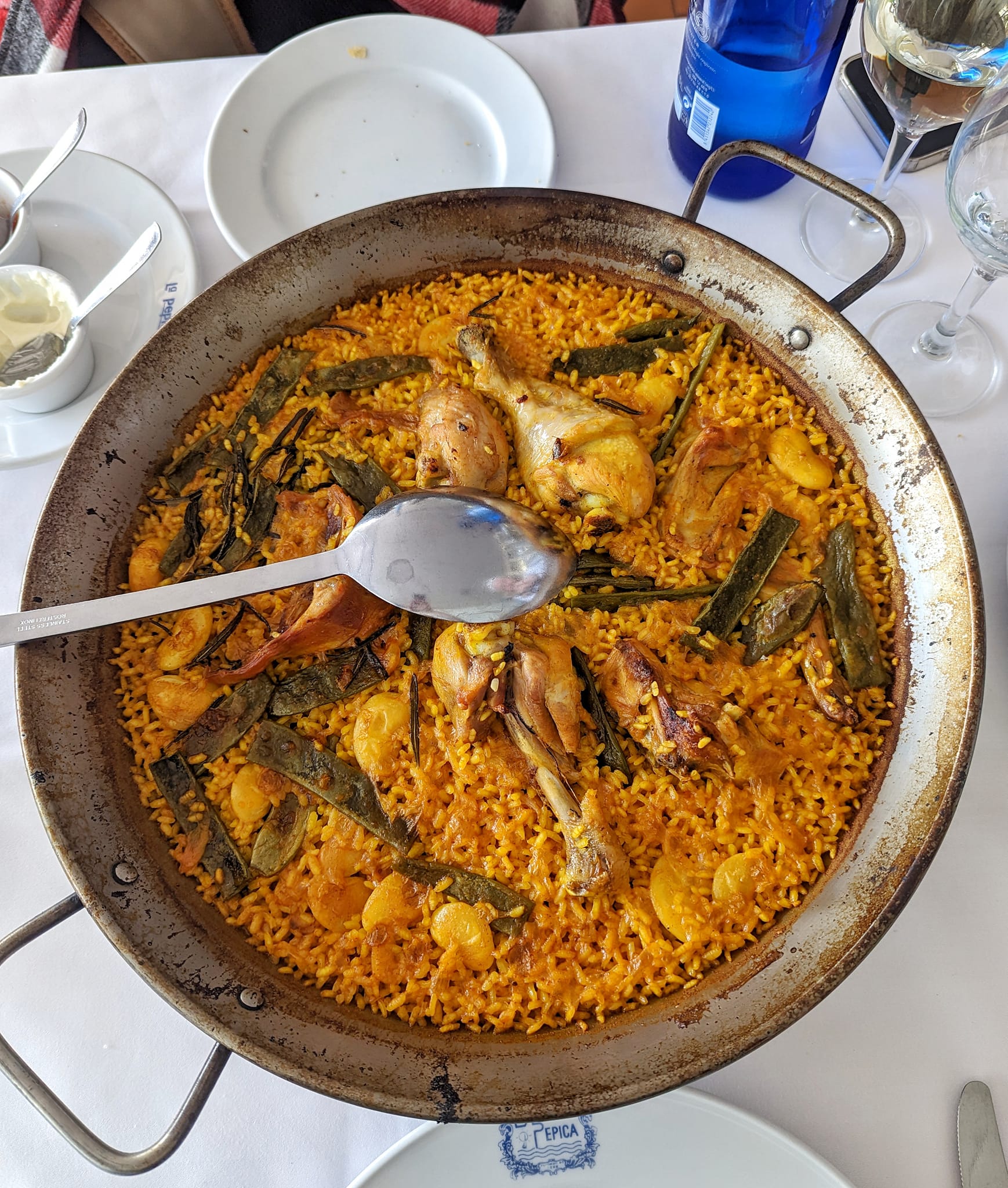
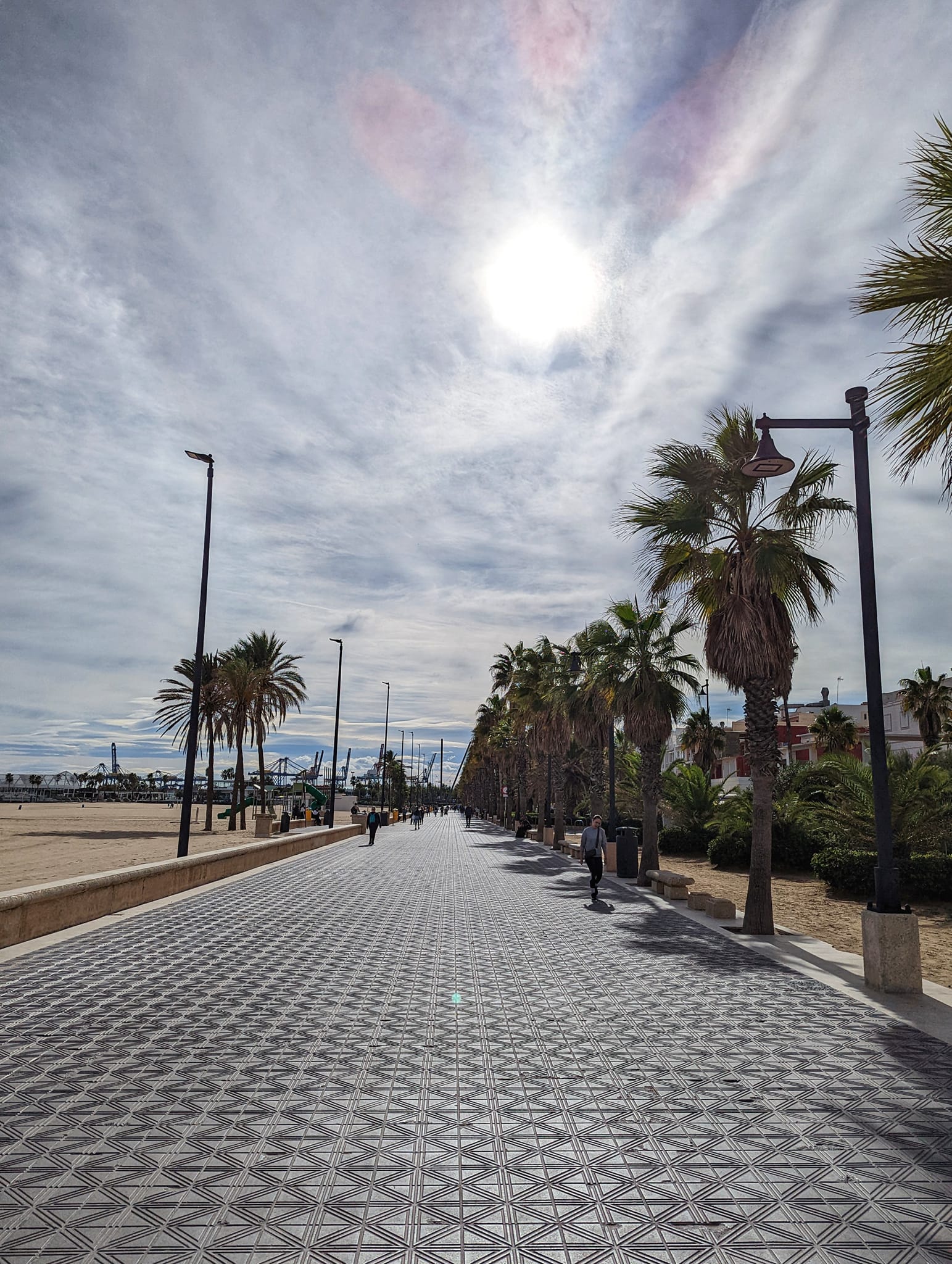
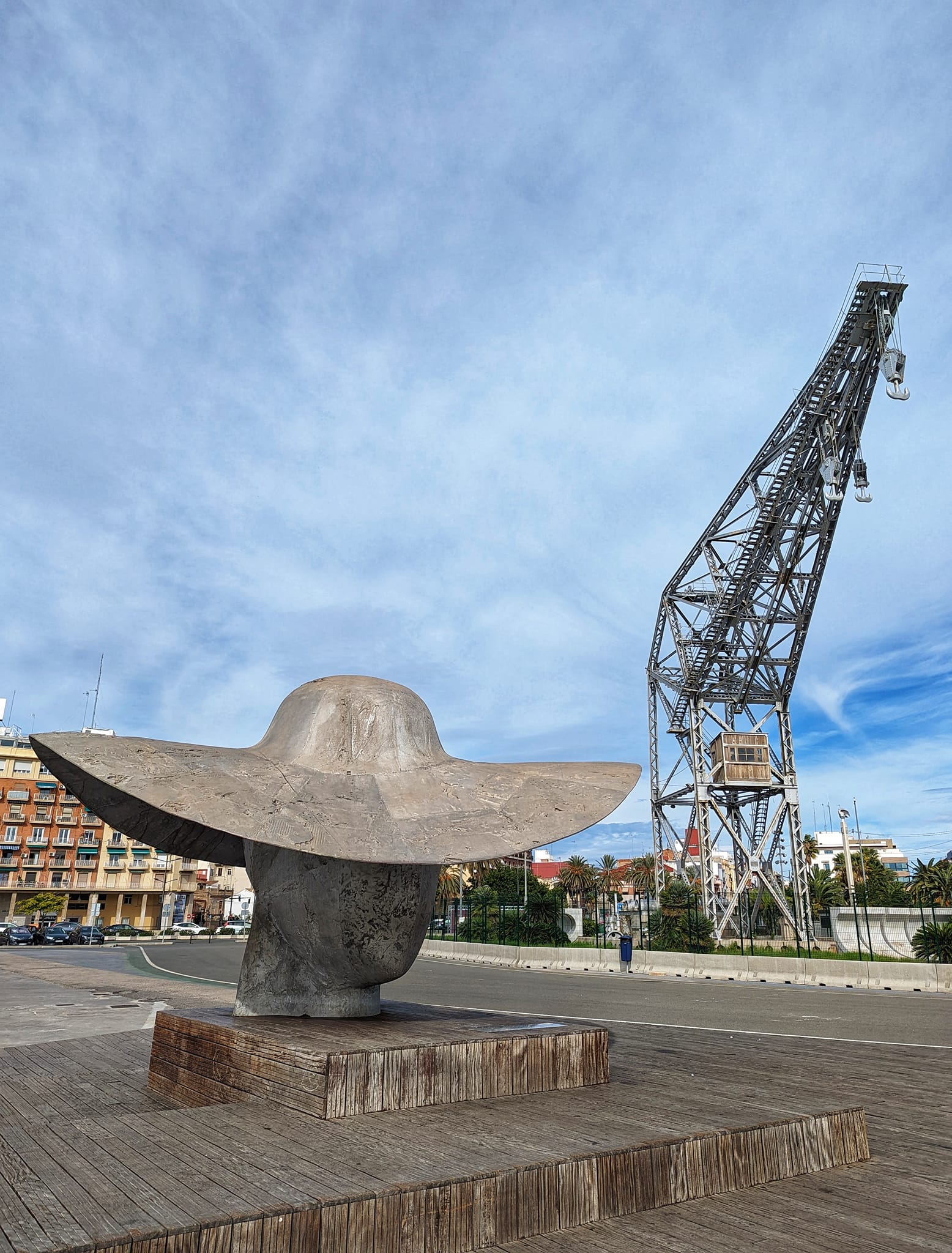
The port of Valencia is the busiest port in the Mediterranean and while the actual (cargo) port is more of a special interest place for cargo port nerds (yes that’s a thing, believe me), the surrounding port area is a nice destination to go for a walk. There is a beach (Playa de las Arenas) with a promenade where one seafood restaurant follows another like pearls on a string. You can find some great places there to try the famous local paella dish. If you take a walk further up the beach you will also come across some very oldschool outdoor sport equipment which is part of some kind of fitness trail (like Muscle Beach Miami but on a budget and old haha).
Jardín Botánico (Botanical Garden)
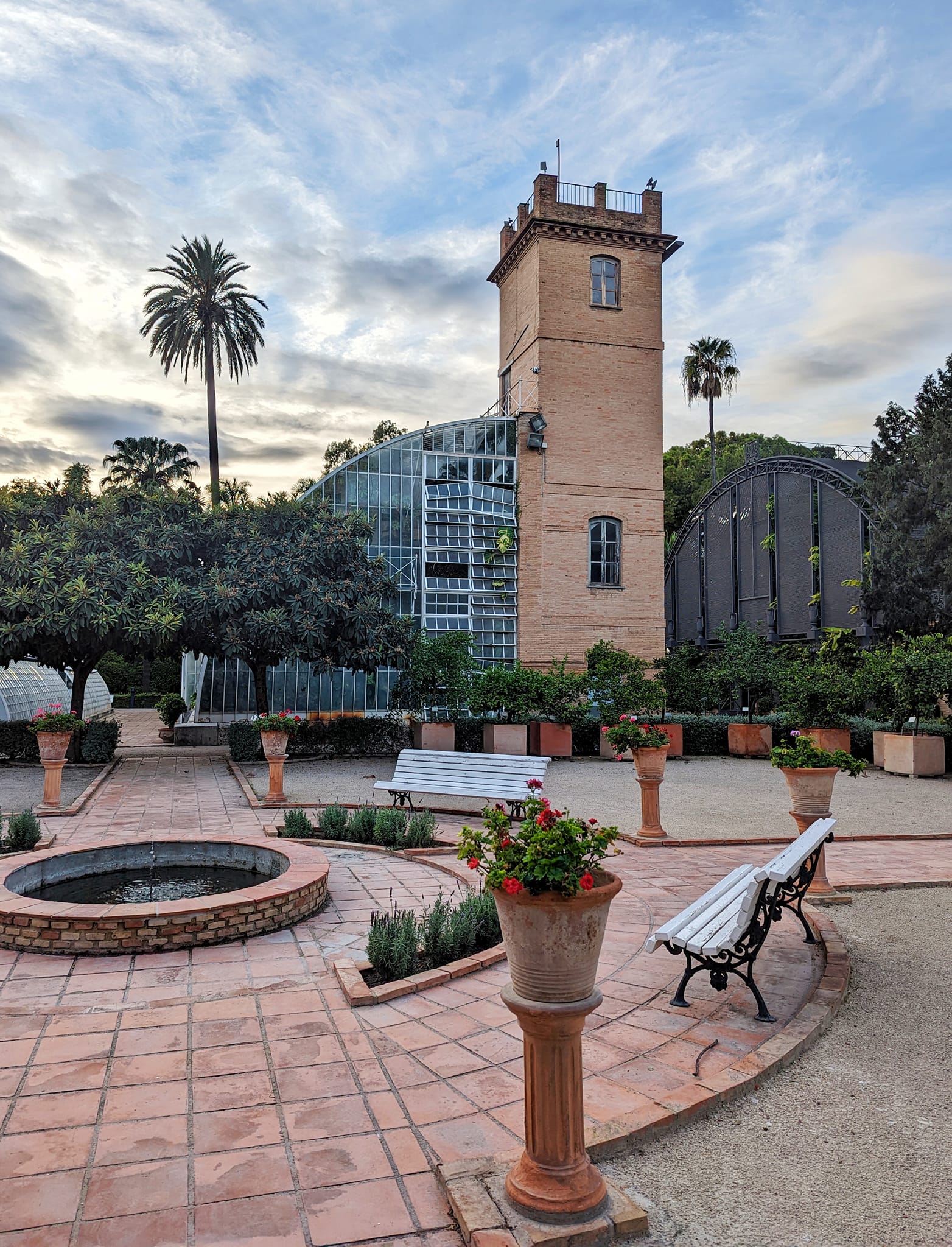
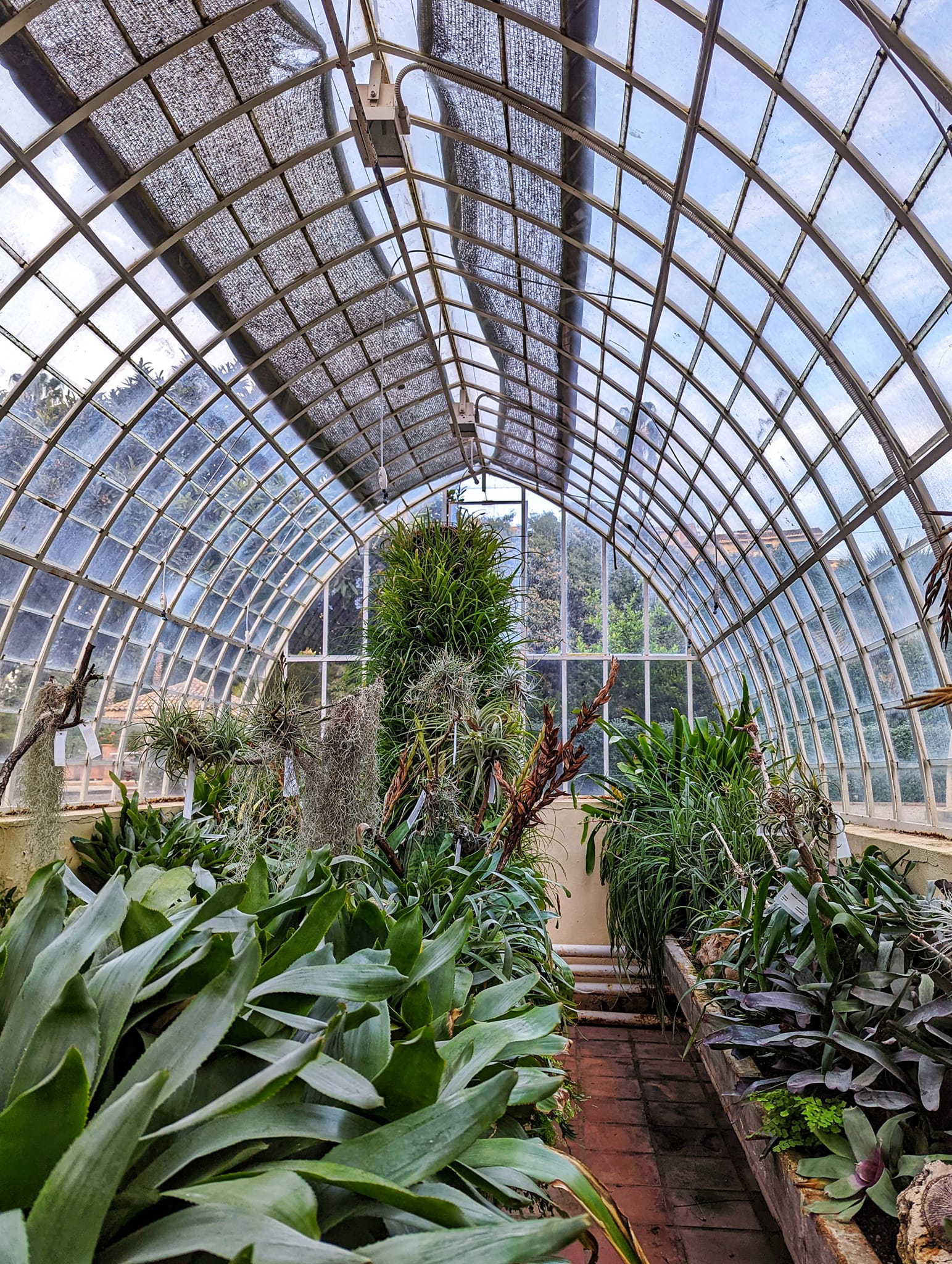
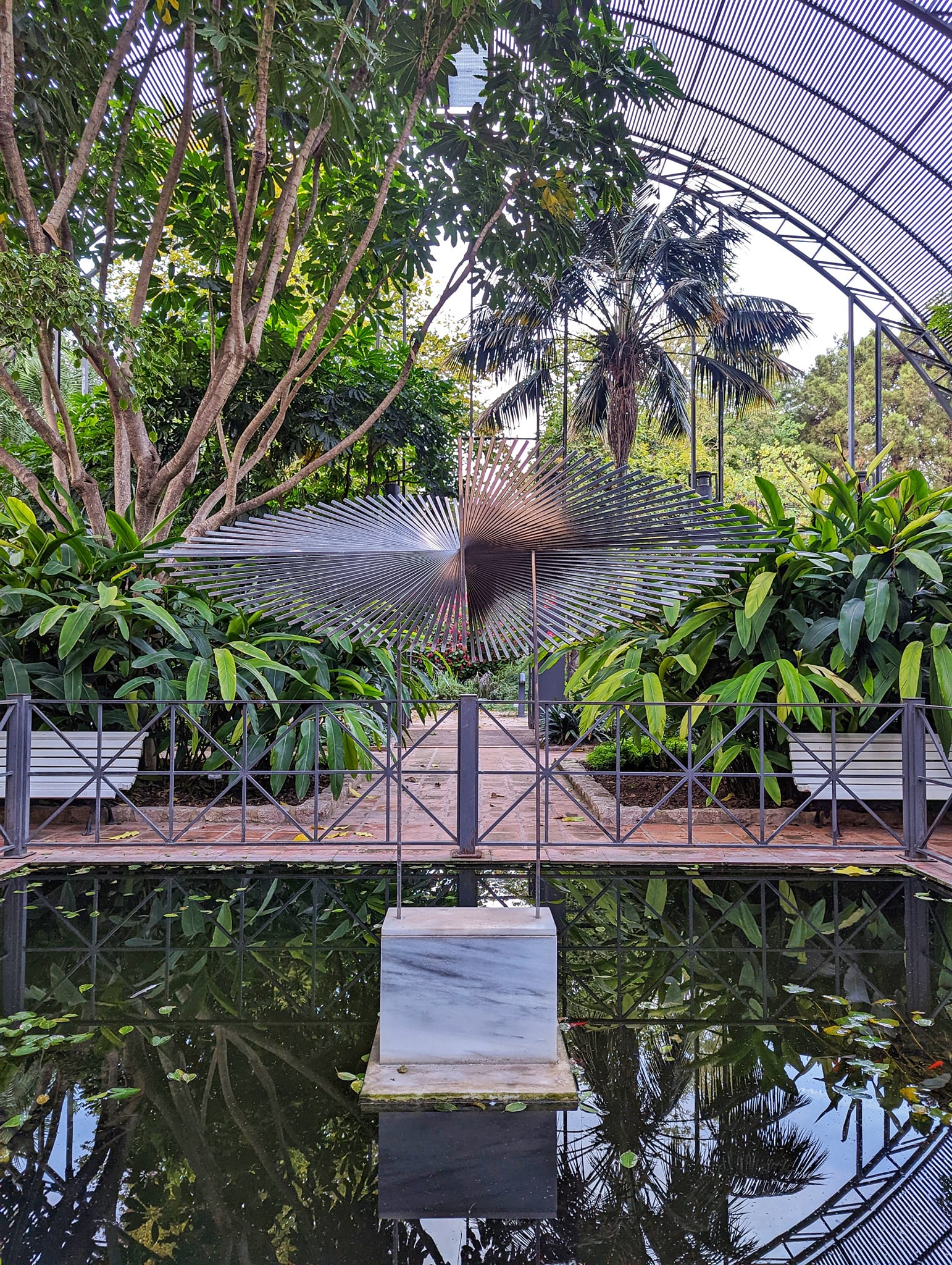
I admit it wasn’t the best idea to visit the Botanical Garden in November because despite the mild weather nothing was really in bloom when we we there. It was still nice to see this calm little oasis in the middle of this buzzing city and the entrance fee was really cheap, somewhere around 3 € I think. I can only imagine how beautiful the gardens must be in spring/summer season though – I might have to go back for it in the future.

Catedral de Valencia (The Cathedral of the Holy Chalice)
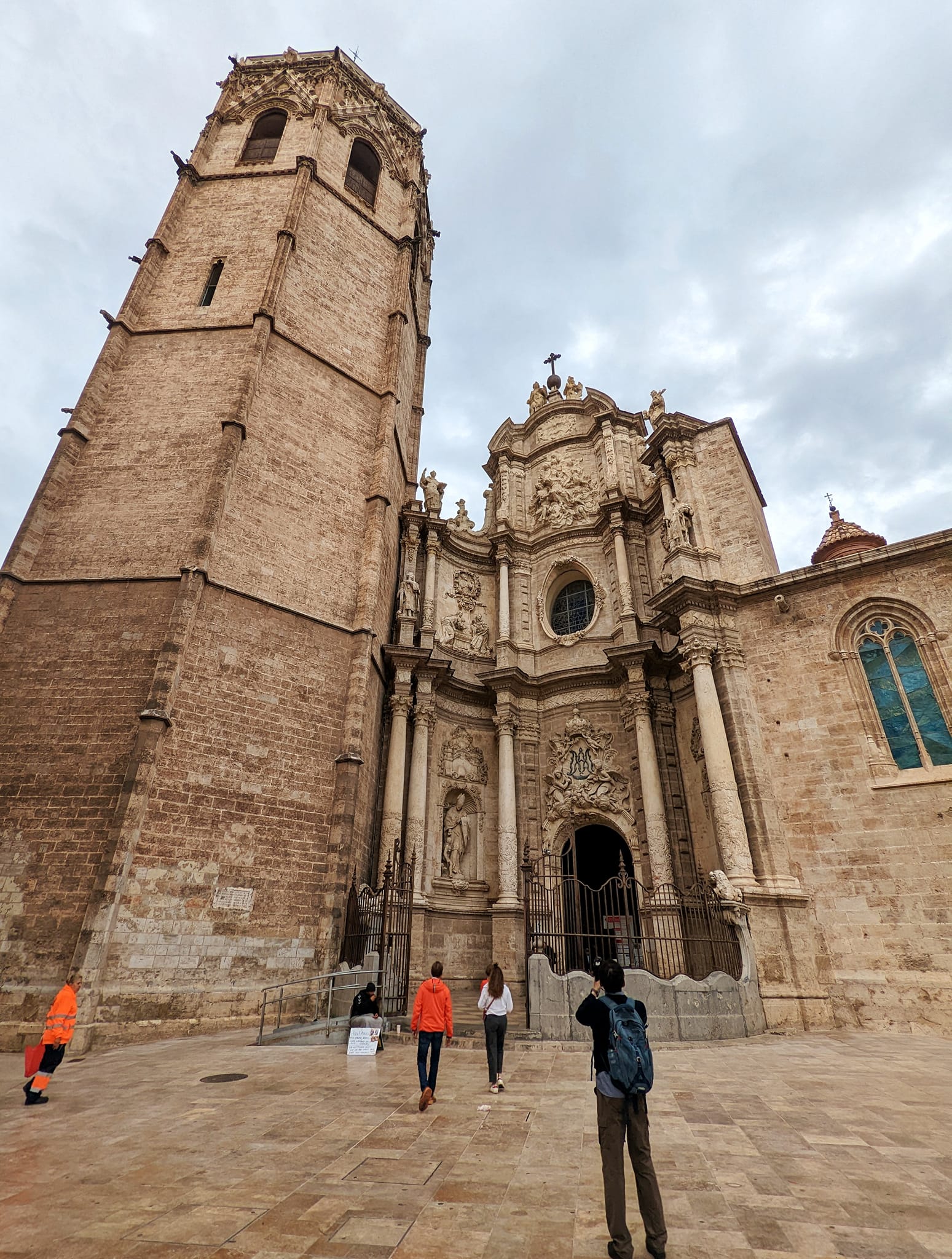
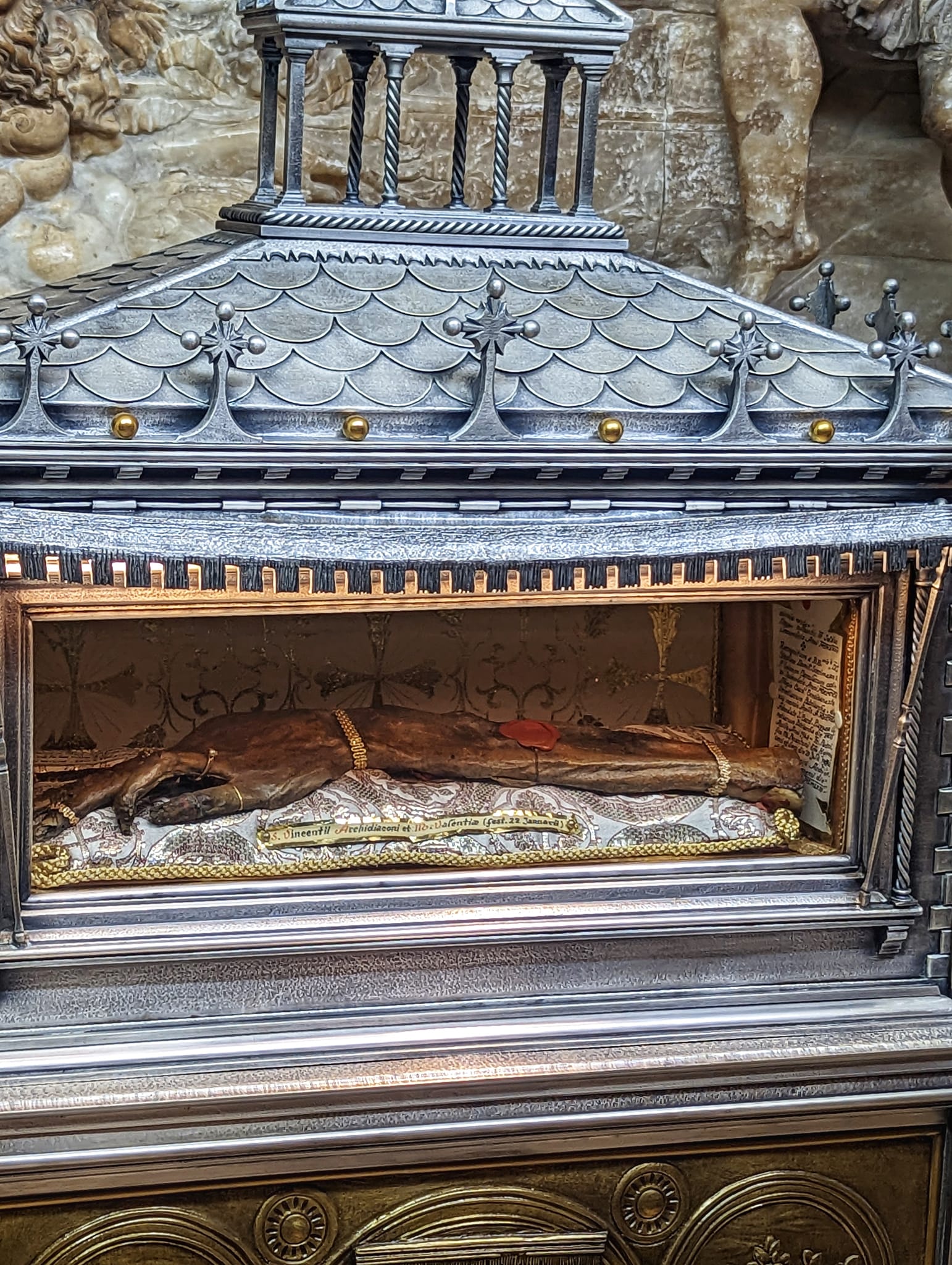
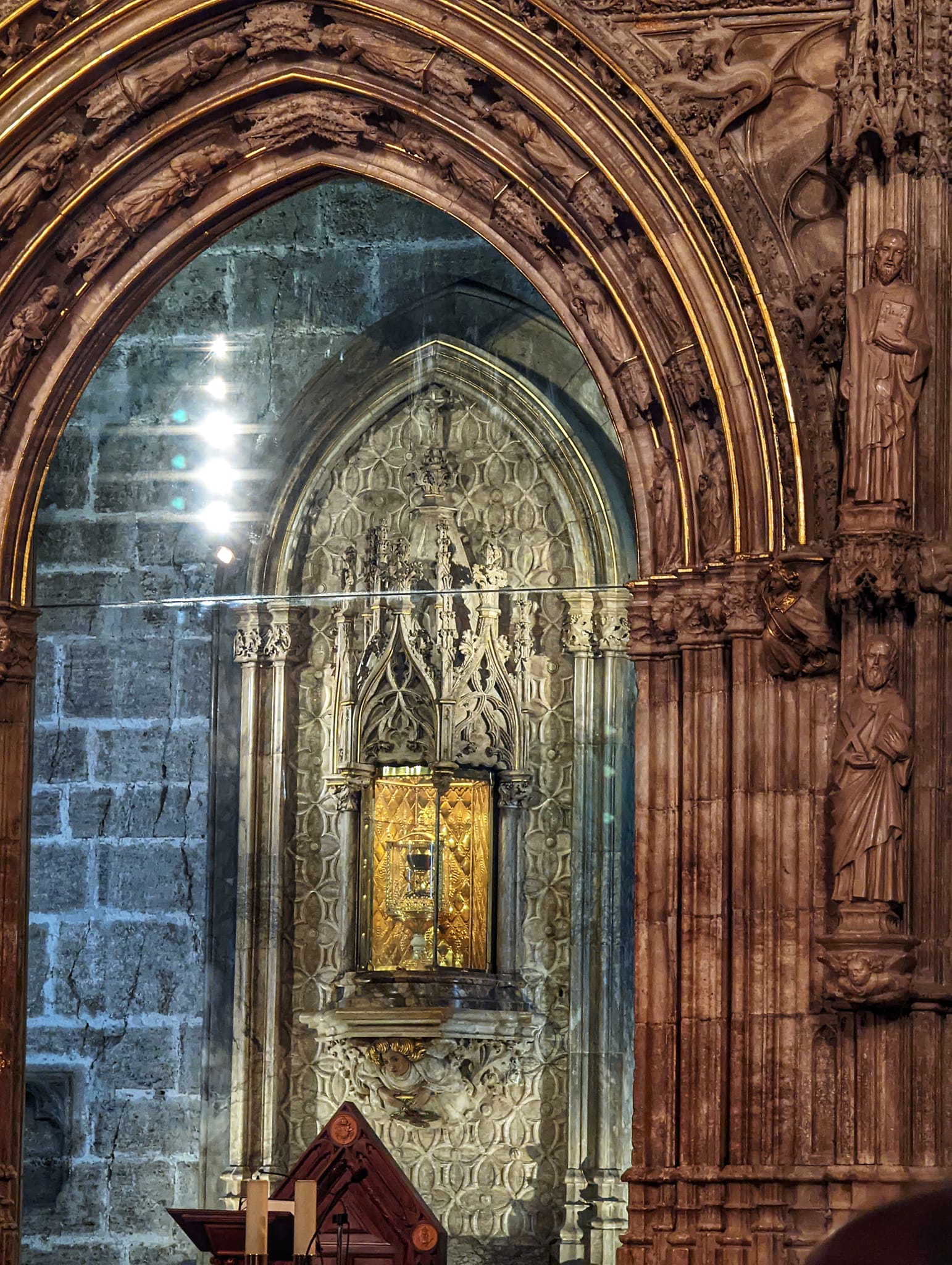
You might think “Another church? Really?” – but hear me out! This one is super interesting because it’s one of the several places around the world that claims to own THE Holy Grail. I’m not religious and therefore don’t take te liberty to judge, but actually it doens’t matter if you believe in it or not because it’s quite something to experience either way. The golden chalice looks very fancy and the hype around it is definitely shown by all the believers who gather around it there every day. Apart from that, the cathedral hosts a huge permanent art exhibition with all sorts of religious artefacts and paintings. The entrance fee is about 9 € for the museum and another 2,50 € to go up the belltower. There is a free option nearby that will give you a similarly beautiful view over the city: Torres de Serranos (see paragraph below).
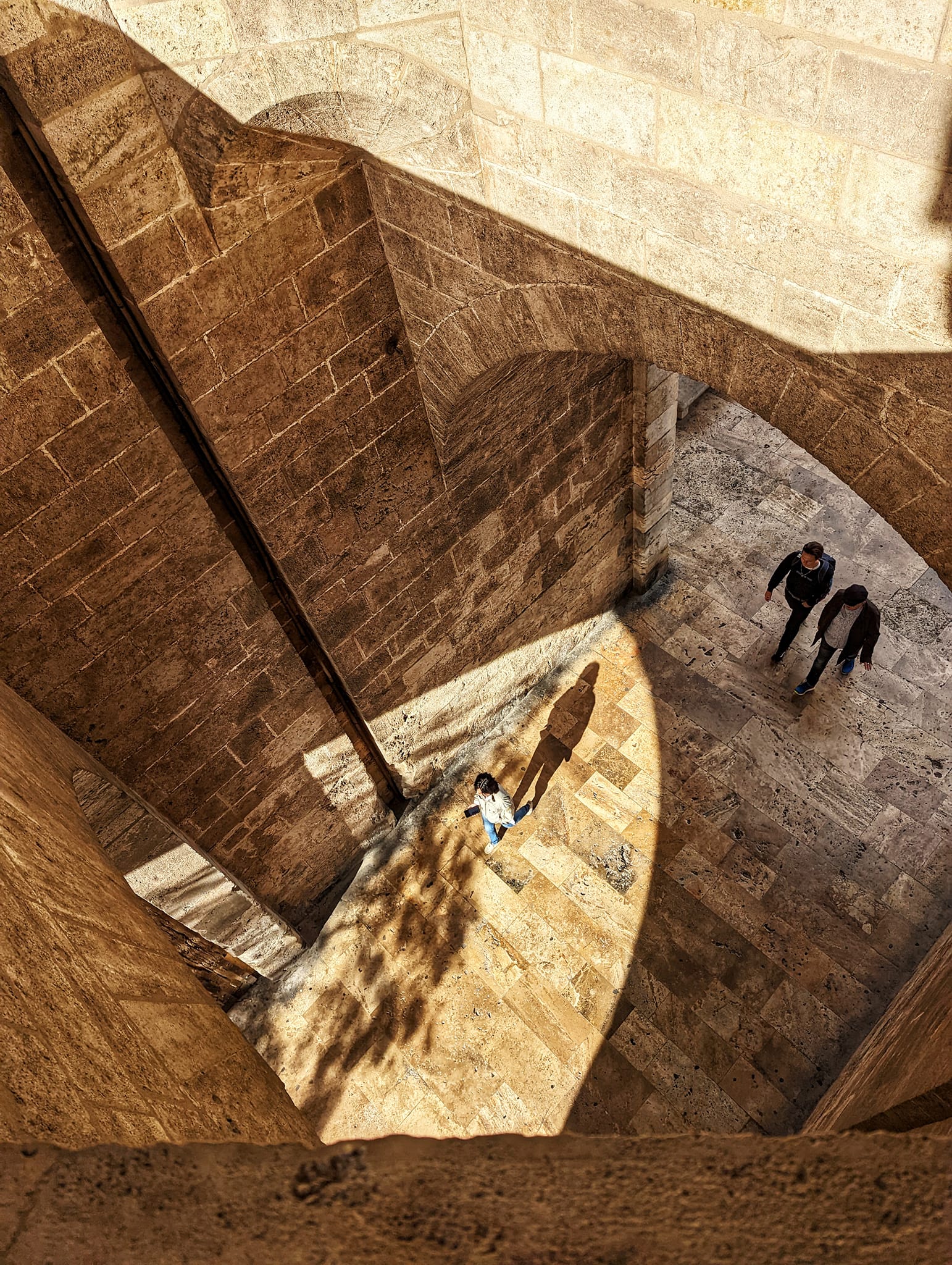
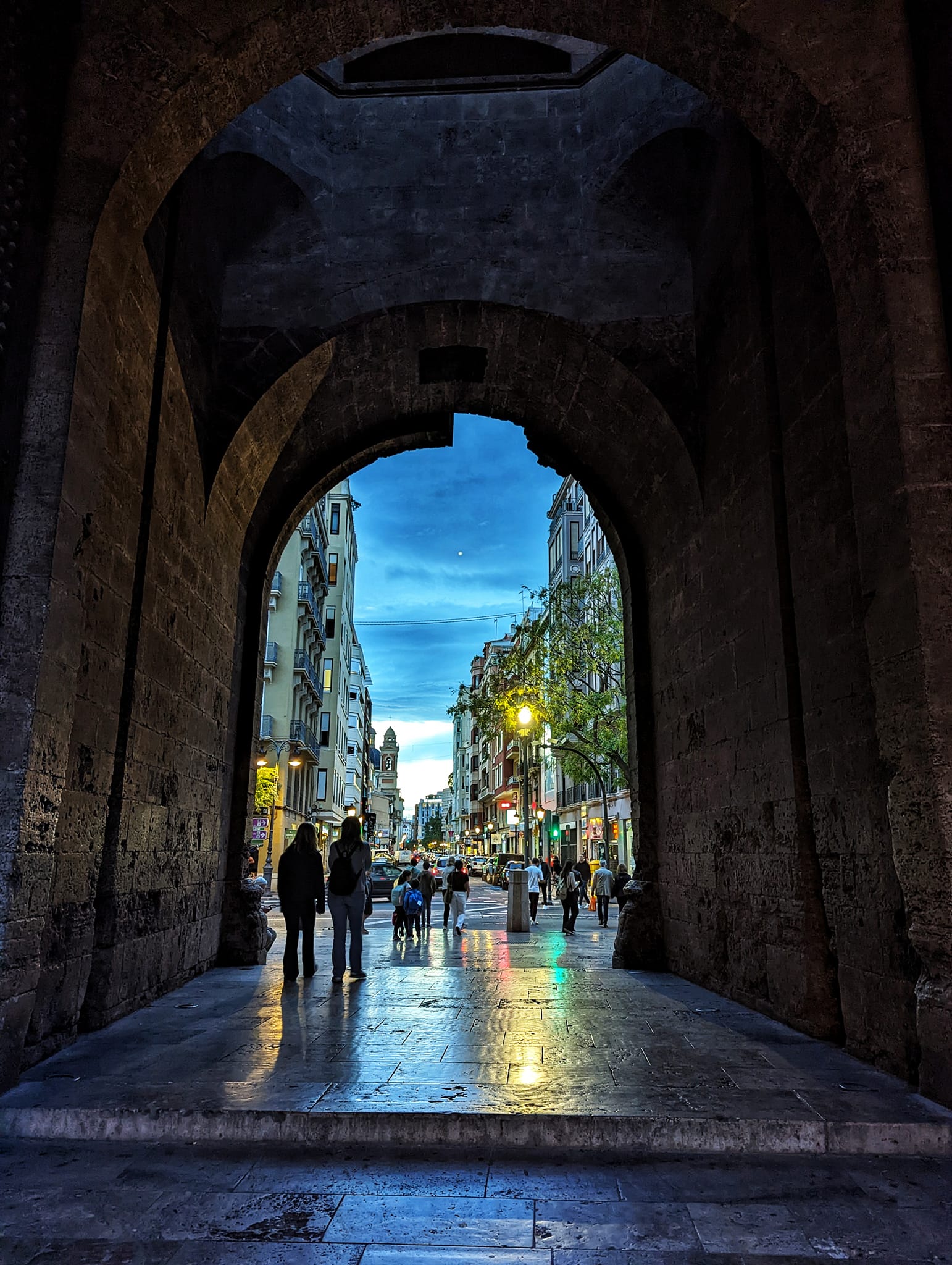
Torres de Serranos (The Serranos Towers)
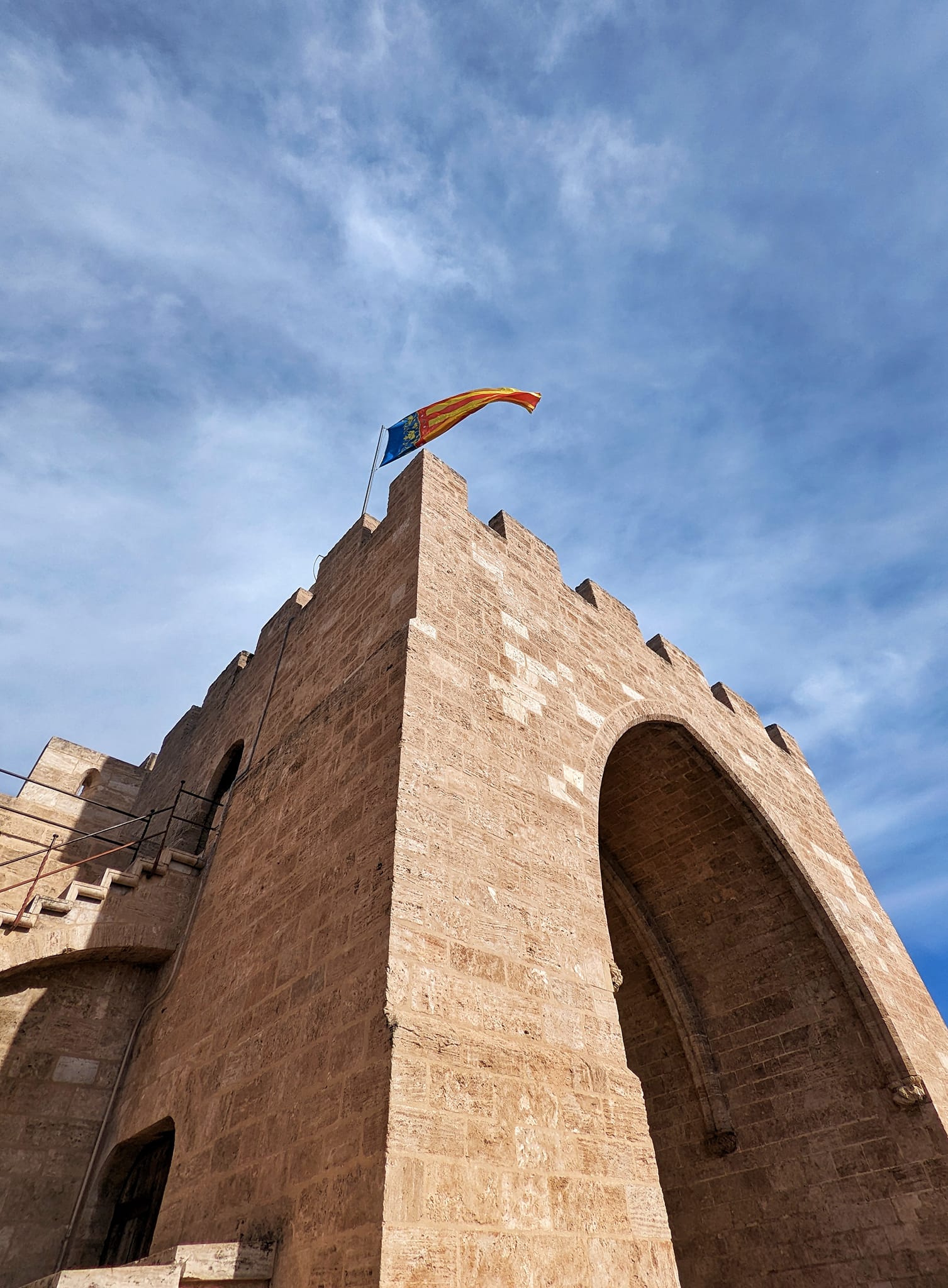
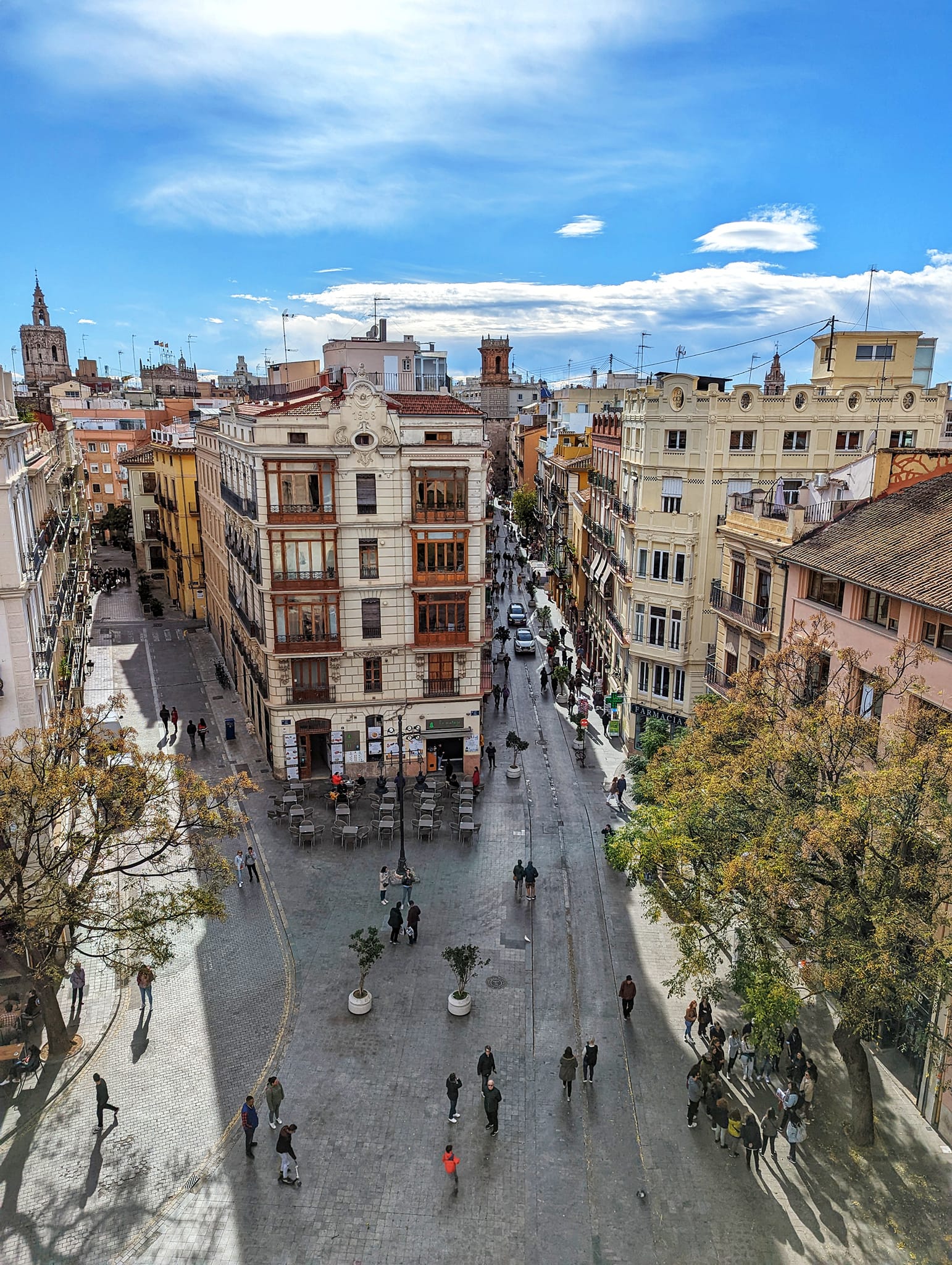
The Torres de Serranos used to be part of Valencia’s medieval wall and were designed to be defensive structures at one of the busiest city gates. Nowadays they thankfully don’t have to defend anything, instead you can climb them to enjoy a beautiful view over the hipster suburb El Carmen on one side and La Saïdia with its convents and gardens on the other side. Insider tip: Entrance is free on Sundays and holidays, so you can save a coin and skip the queue at Valencia Cathedral’s tower. On all other days you pay 3 € (almost the same like the cathedral tower which is 2,50 €).
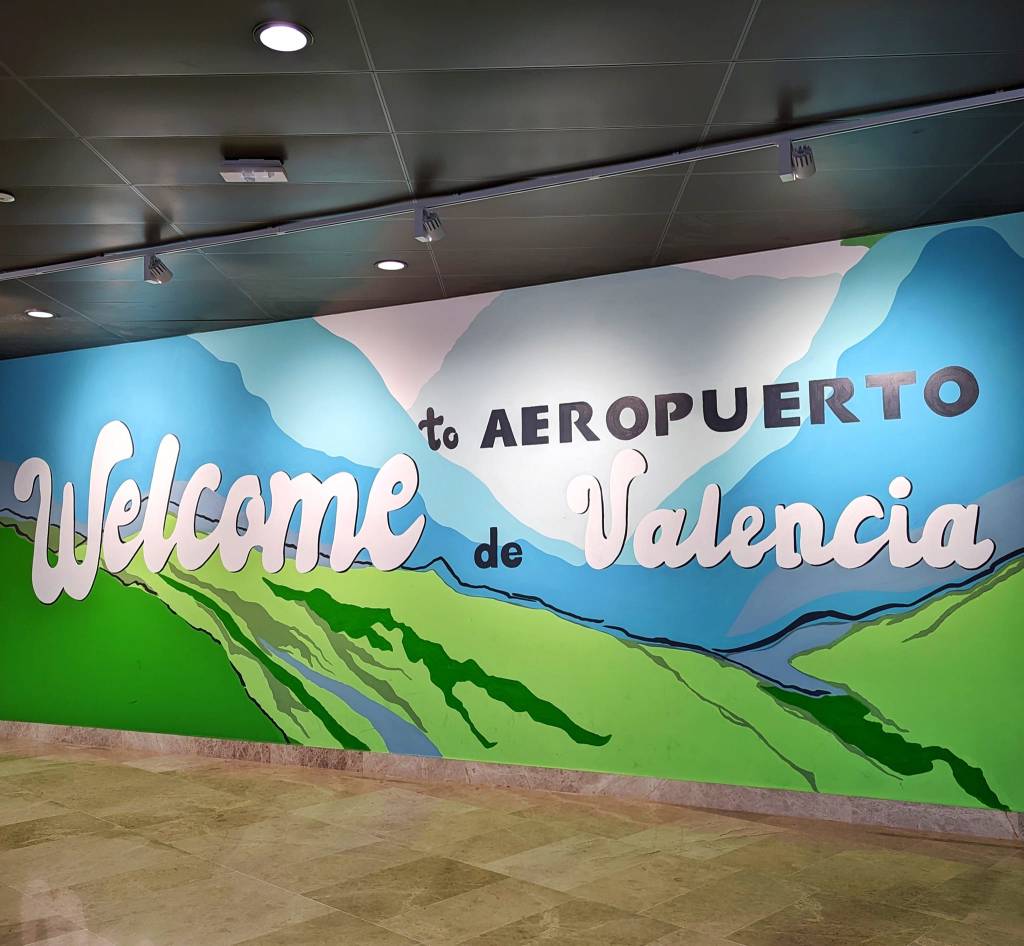
After one week in this beautiful city we were totally in love! There is so much to see, do, eat, drink, climb, hike, visit and enjoy there – we had no idea how cool Valencia is! With mild and warm temperatures all year round, great public transport and its proximity to the sea as well as the mountains, this is the perfect place for a city trip and has something to offer for everyone. Still flying under the radar compared to the more popular Madrid and Barcelona, Valencia is my tip for your next Spain trip.


 Travel Toast Adventures